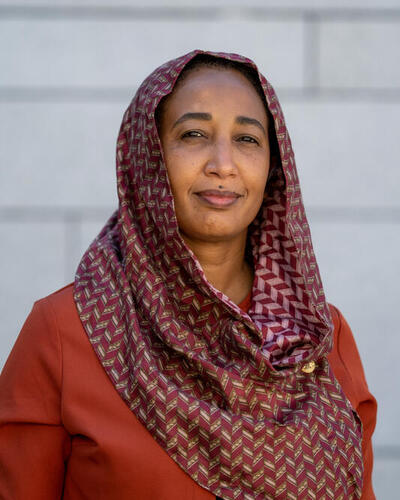
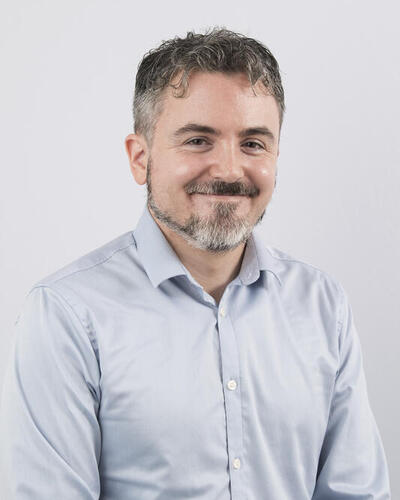
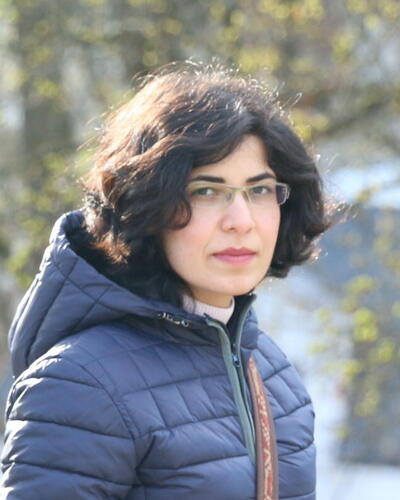
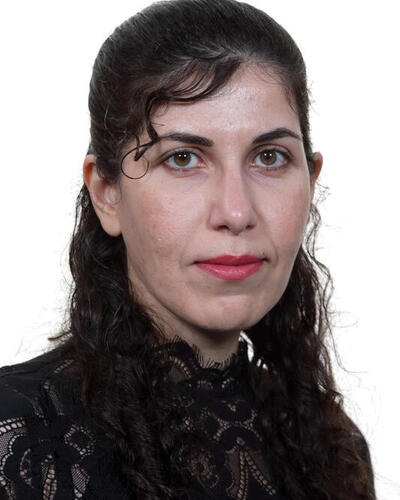
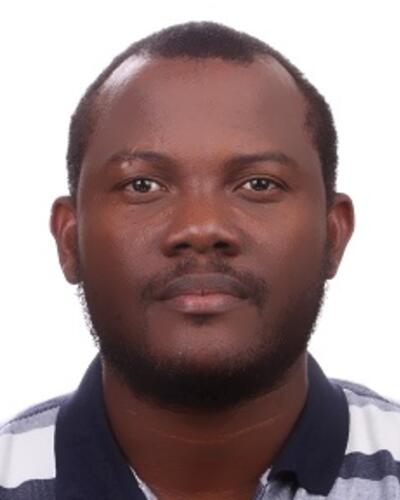
Samson Wakuma Abaya
Guest Researcher
Department of Global Public Health and Primary Care
samson.abaya@uib.no
Stian Abbedissen
Head Engineer
IT division
Stian.Abbedissen@uib.no
Amr Abboud
PhD Candidate
Department of Physics and Technology
amr.abboud@uib.no
Hisham Saghayroon Abdalla
Department of Clinical Dentistry
Hisham.Alla@uib.no
Enas Khaled Salem Abdalsalam
Research Assistant
Faculty of Humanities
Enas.Abdalsalam@student.uib.no
Howaida Faisal Abdelrahman
Adviser, Administrative Coordinator Bergen Summer Research School (BSRS)
Howaida.Abdelrahman@uib.no
Abdella Amano Abdo
Faculty of Medicine
abdella.a.abdo@student.uib.no
Latifa Abdulla Mohamed
latifa.mohamed@uib.no
Armita Abedi
Fagkonsulent
a.abedi@student.uib.no
John Abel
Adviser
Division of Student and Academic Affairs
john.abel@uib.no
Jenny Abelvik
Faculty of Law
jenny.abelvik@student.uib.no
Yonas Nakland Aboelenein
yonas.aboelenein@student.uib.no
Asieh Abolpour Mofrad
Researcher, Machine Learning
Department of Informatics
asieh.mofrad@uib.no
Samaneh Abolpour Mofrad
Postdoctoral Fellow, colaboration with Imperial College London
samaneh.a.mofrad@uib.no
Anna Dommarsnes Abrahamsen
The Department of Biomedicine
anna.abrahamsen@uib.no
Bjørn Abusdal
Higher Executive Officer
University of Bergen Library
Bjorn.Abusdal@uib.no
Hannah Maria Leontine Ackermans
Postdoctoral Fellow
hannah.ackermans@uib.no
Tom Christian Holm Adamsen
Associate Professor
Department of Chemistry
Tom.Adamsen@uib.no
Olayiwola Adekoya
Department of Clinical Science
Olayiwola.Adekoya@uib.no
Ademola .A. Adenle
Guest Researcher, Visiting /Postdoctoral Researcher
Department of Geography
ademola.adenle@uib.no
Steinunn Adolfsdottir
Department of Biological and Medical Psychology
steinunn.adolfsdottir@uib.no
Monika Nydal Adolfsen
Dentist Instructor
Monika.Adolfsen@uib.no
Kofi Aduo-Adjei
kofi.aduo-adjei@uib.no
Pia Aehnlich
Researcher
Pia.Aehnlich@uib.no
Kaaynat Afgun
Executive Officer
Department of Clinical Psychology
kaaynat.afgun@uib.no
Wafa Aftab
PhD Candidate, PhD Research Fellow
wafa.aftab@uib.no
Bodil Aga
Bodil.Aga@uib.no
Olav Nicolay Larsson Aga
olav.aga@uib.no
Halvor Larsson Aga
Faculty of Mathematics and Natural Sciences
halvor.aga@student.uib.no
Sarah Christin Aga
Department of Sociology
sarah.aga@uib.no
Susann Aga
Senior Executive Officer
Department of Foreign Languages
Susann.Aga@uib.no
Gunhild Agdesteen
Gunhild.Agdesteen@uib.no
Gunnhild Victoria Trym Ager-Wick
gunnhild.ager-wick@uib.no
Shankar Manuel Aghito
Geophysical Institute
shankar.aghito@uib.no
Hicham Agueny
Senior Engineer
hicham.agueny@uib.no
Juan Enrique Aguilar Martinez
Department of Mathematics
juan.martinez@uib.no
Camilla Ahamath
Adviser, Communication manager
University Museum of Bergen
Camilla.Ahamath@uib.no
Faustin Ahishakiye
Faustin.Ahishakiye@uib.no
Sara Ahmadi
sara.ahmadi@student.uib.no
Pedram Ahmadpour Keyvani
pedram.keyvani@uib.no
Khadra Yasien Ahmed
khadra.ahmed@uib.no
Hilde Hjelmeland Ahmedzai
Centre for Crisis Psychology
hilde.ahmedzai@uib.no
Syed Quamrul Ahsan
Department of Economics
quamrul.ahsan@uib.no
Moa Christina Airijoki
Department of Archaeology, History, Cultural Studies and Religion
moa.airijoki@uib.no
Rikke Emilie Aker-Iversen
Faculty of Psychology
rikke.aker-iversen@student.uib.no
Abenezer Tirsit Aklilu
Department of Clinical Medicine
Abenezer.T.Aklilu@uib.no
Haci Akman
Emeritus, Cultural Studies
haci.akman@uib.no
Guro Akre
Senior Adviser, Administrative manager LEAD AI
Guro.Akre@uib.no
Elisabeth Katrin Akselvoll
Elisabeth.Akselvoll@uib.no
Lars Andreas Akslen
Professor, Centre Director of CCBIO
Lars.Akslen@uib.no
Henriette Aksnes
Researcher, PhD, Principal investigator
henriette.aksnes@uib.no
Dag Lorents Aksnes
Emeritus
Department of Biological Sciences (BIO)
dag.aksnes@uib.no
Karoline Aksnes
Adviser, PhD coordinator
karoline.aksnes@uib.no
Ylva Maria Solum Aksnes
ylva.aksnes@uib.no
Kjersti Aksnes-Hopland
Academic Librarian, Library contact for Professional studies in psychology, Bachelor in general psychology and Master programmes in psychology
Kjersti.Aksnes-Hopland@uib.no
Enver Alagoz
Head Engineer, FARLAB
Department of Earth Science
Enver.Alagoz@uib.no
Lucie Alain
lucie.alain@uib.no
Samrawit Hailu Alako
Samrawit.H.Alako@student.uib.no
Saruar Alam
saruar.alam@uib.no
Kazi Alam
kazi.alam@uib.no
Maryam Alavi Nia
Postdoctoral Fellow, Postdoctoral Research Fellow
Department of Information Science and Media Studies
maryam.nia@uib.no
Marit Nilsen Albertsen
marit.albertsen@uib.no
Cornelia Marie Albrektsen
Cornelia.Albrektsen@uib.no
Zachary Paul Alcorn
Zachary.Alcorn@uib.no
Atle Alden
Financial Services
Atle.Alden@uib.no
Guttorm Alendal
Professor
guttorm.alendal@uib.no
Alex Focus Alexander
Alexander.Alex.Focus@uib.no
Andreas Alexander
Postdoctoral Fellow, MSCA SEAS fellowship in ice-ocean interactions
andreas.alexander@uib.no
Jakob Sverre Alexandersen
Jakob.Alexandersen@student.uib.no
Mirey Alfarah
Postdoctoral Fellow, Postdoctoral researcher in university pedagogy
mirey.alfarah@uib.no
Benedikte Fjeldstad Alhaug
benedikte.alhaug@student.uib.no
Khalid Jamal Alhleibi
khalid.alhleibi@student.uib.no
Hassan Abdel-Raouf Abdel-Wahab Mohamed Ali
Hassan.Ali@uib.no
Berkay Alıca
Department of Comparative Politics
berkay.alica@uib.no
Ardita Aliko
ardita.aliko@uib.no
Maryam Alizadeh Gharaei
maryam.gharaei@uib.no
Kerstin Almdal
Kerstin.Almdal@uib.no
Johan Alme
Professor, Microelectronics
Johan.Alme@uib.no
Eirin Alme
Eirin.Alme@uib.no
Daniel Stølen Alme
Daniel.Alme@uib.no
Stian Kreken Almeland
stian.almeland@uib.no
Hildegunn Almelid
Staff Engineer
Hildegunn.Almelid@uib.no
Synne Alne
Division of Human Resources
Synne.Alne@uib.no
Marie Bjørbak Alnæs
Marie.Alnas@student.uib.no
Thomas Aquinas Aloysius
thomas.aloysius@uib.no
Silvia Eiken Alpers
silvia.eiken.alpers@uib.no
Nicolai Etwin Alsaker
nicolai.alsaker@uib.no
Asia Victoria Alsgaard
Postdoctoral Fellow, Postdoctoral Fellow, SEAS Programme, SapienCE, AHKR
asia.alsgaard@uib.no
Niyaz Al-Sharabi
N.Al-Sharabi@uib.no
Bashar Wahid al Shiekh
bashar.alshiekh@uib.no
Christian Lillebø Alsing
christian.alsing@uib.no
Vilde Alstad
Department of Linguistic, Literary and Aesthetic Studies
vilde.alstad@student.uib.no
Lubna Sami Jawad Al-Saadi
Lubna.Al-Saadi@uib.no
Altanchimeg (Chimge) Altankhuyag
altankhuyag.altanchimeg@uib.no
Inka Alten
inka.alten@student.uib.no
Paula Emilia Altenkirch
Michael Sars Centre
Paula.Altenkirch@uib.no
Michael Eugene Alvarez
michael.alvarez@uib.no
Haydee Artaza Alvarez
PhD Candidate, PhD candidate
haydee.artaza@uib.no
Erick Alvarez Barreno
erick.alvarez-barreno@uib.no
Inger Marie Lauvås Alver
inger.alver@student.uib.no