
Nyhetsarkiv for Aktuelt
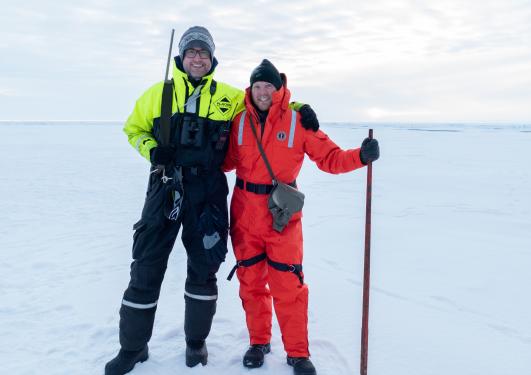
A few years ago, scientists from the University of Bergen, for the first time in history, managed to collect samples from one of the most remote and extreme seafloor environments deep under the Arctic ice. Now, their first findings reveal extreme hot springs, fragile metal-rich chimney structures, and enormous hydrogen release that could be crucial for the search for life in our Solar System.
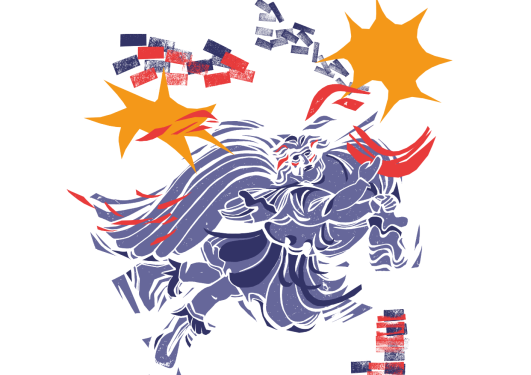
A Landmark Anniversary for a Hub of Research and Collaboration for Nordic Institutes and Beyond
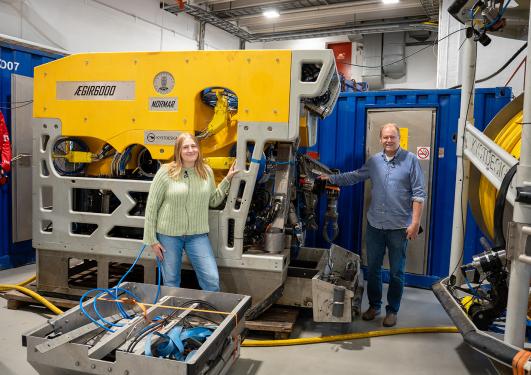
Now the University of Bergen wants to uncover the secrets of the dark ocean, by establishing a national centre for deep-sea innovation.
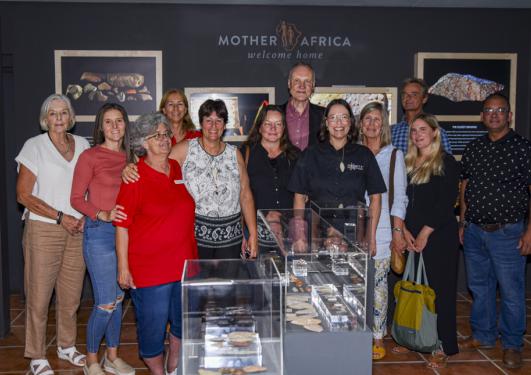
The Wits/SapienCE Blombos Museum of Archaeology in Still Bay, Southern Cape, has received the award for Best Innovative Project in the Field of Museums, Heritage, and Geographical Names from the Western Cape Department of Cultural Affairs and Sport.
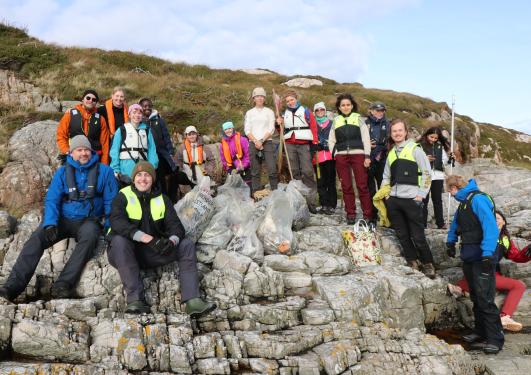
On September 25th, the University of Bergen (UiB) organized a coastal cleanup for students and staff. As last year, the destination was Lisle Lyngøy, often referred to as “Plastic Island” off the coast of Hellesøy. The day was filled with strong impressions — and some good news for the island’s ecosystem.
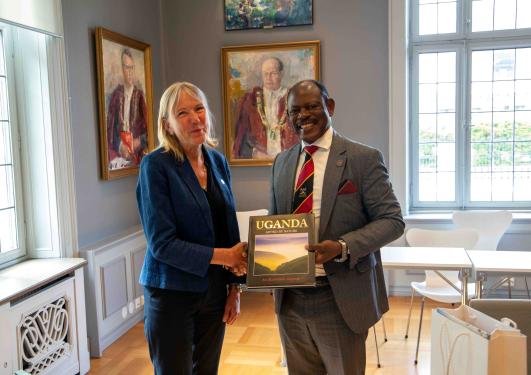
The two new projects will strengthen a global network for sustainable energy storage and Norwegian-Ugandan cooperation on global health. The partnerships will provide new initiatives and opportunities for international collaboration for students and staff at UiB, as well as for the partners.

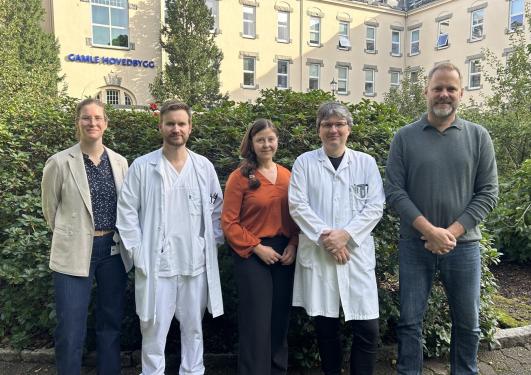
Neurodegenerative diseases such as Parkinson’s disease (PD), dementia with Lewy bodies (DLB) and multiple system atrophy (MSA) affect more than 10 million people globally and their prevalence is expected to at least double within over the next two decades. No therapy currently slows or stops disease progression. With support from the Trond Mohn Research Foundation (TMF), the Mohn Research Center... Les mer
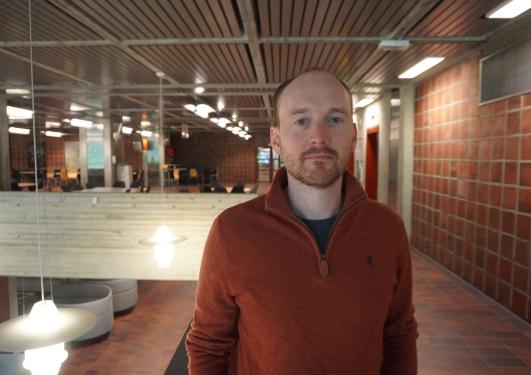
“There hasn’t been much focus on the fact that coastlines are dynamic,” says a researcher at the University of Bergen.

Learn from the experts – and discover how Europe’s security is being shaped right now.
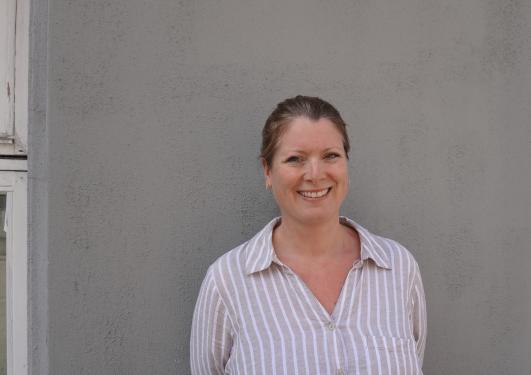
When we think of the fishing industry, we often picture a man on a boat. But the reality is more nuanced, according to social anthropologist Iselin Åsedotter Strønen.
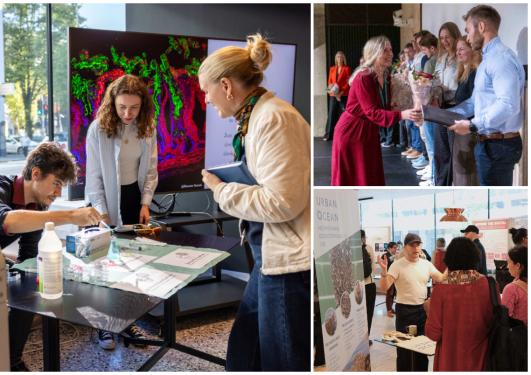
On September 19, the University of Bergen will host the second edition of UiB Innovation Day. “Our goal is to create an inspiring meeting place – not least for researchers who want to take their work further into innovation and increase its societal relevance,” says Øyvind Frette, chair of the program committee.
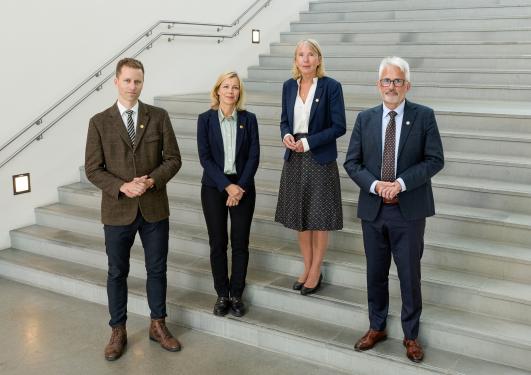
This spring, Margareth Hagen was re-elected along with her new rectorate, which will begin in August. “It is a privilege to be the rector at UiB,” she says.

Just in time for the High-Level Political Forum (HLPF) 2025 at the United Nations in New York, the research project Habitable Air is publishing three policy briefs on air quality.
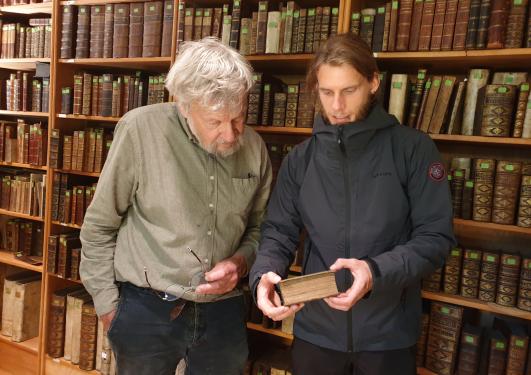
Remnants of medieval books were coincidentally discovered at Bergen Cathedral School - a high school located in the city center of Bergen. The findings will now be documented and analyzed by the international research project CODICUM.
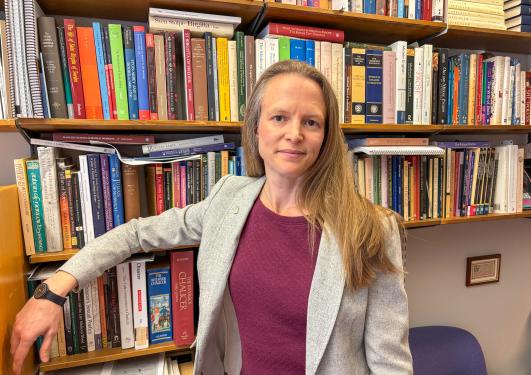
Did nuns play a more active and influential role in shaping our literary canon? Professor Laura Saetveit Miles, a specialist in British literature, sets high ambitions for her next research project: she aims to demonstrate how women shaped Medieval literature through both reading and writing.
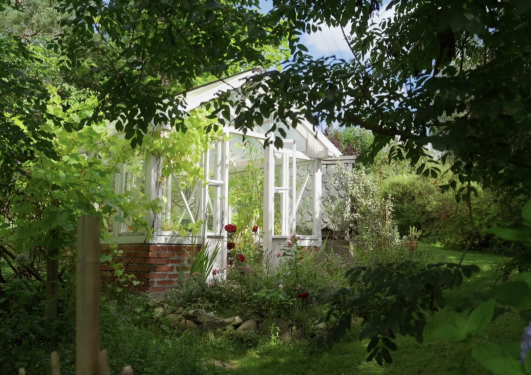
Norwegian gardens have gone from being full of fruits and berries to becoming flat lawns with trampolines and gas grills. “We have gardens that demand more, but give less back to nature,” says Professor Kyrre Kverndokk.
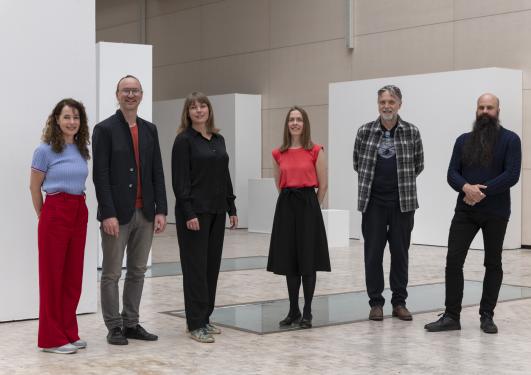
Researchers at the Faculty of Fine Art, Music and Design (KMD) at the University of Bergen (UiB) have been given a central role in the new national research center MishMash – Center for AI and Creativity. The grant is part of the national initiative on artificial intelligence (AI) and marks an important breakthrough for artistic research in the face of emerging technologies.
Sider
- februar 2026 (3)
- januar 2026 (6)
- desember 2025 (6)
- november 2025 (2)
- oktober 2025 (5)
- september 2025 (4)
- august 2025 (4)
- juli 2025 (5)
- juni 2025 (10)
- mai 2025 (1)
- april 2025 (7)
- mars 2025 (5)
- februar 2025 (8)
- januar 2025 (6)
- desember 2024 (6)
- november 2024 (4)
- oktober 2024 (4)
- september 2024 (7)
- august 2024 (3)
- juli 2024 (2)
- juni 2024 (8)
- mai 2024 (3)
- april 2024 (7)
- mars 2024 (7)
- februar 2024 (7)
- januar 2024 (6)
- desember 2023 (9)
- november 2023 (11)
- oktober 2023 (10)
- september 2023 (9)
- august 2023 (12)
- juli 2023 (1)
- juni 2023 (9)
- mai 2023 (13)
- april 2023 (6)
- mars 2023 (8)
- februar 2023 (10)
- januar 2023 (4)
- november 2022 (6)
- oktober 2022 (5)
- september 2022 (6)
- august 2022 (2)
- juli 2022 (1)
- juni 2022 (5)
- mai 2022 (5)
- april 2022 (7)
- mars 2022 (7)
- februar 2022 (11)
- januar 2022 (1)
- desember 2021 (5)
- november 2021 (3)
- oktober 2021 (4)
- september 2021 (2)
- august 2021 (6)
- juli 2021 (1)
- juni 2021 (14)
- mai 2021 (11)
- april 2021 (6)
- mars 2021 (9)
- februar 2021 (7)
- januar 2021 (1)
- desember 2020 (6)
- november 2020 (6)
- oktober 2020 (4)
- august 2020 (2)
- juli 2020 (4)
- juni 2020 (9)
- mai 2020 (3)
- april 2020 (8)
- mars 2020 (4)
- februar 2020 (6)
- januar 2020 (4)
- desember 2019 (2)
- november 2019 (3)
- oktober 2019 (10)
- september 2019 (5)
- august 2019 (1)
- juli 2019 (5)
- juni 2019 (3)
- mai 2019 (2)
- april 2019 (3)
- mars 2019 (2)
- februar 2019 (6)
- januar 2019 (5)
- desember 2018 (4)
- november 2018 (8)
- oktober 2018 (2)
- september 2018 (3)
- august 2018 (2)
- juli 2018 (4)
- juni 2018 (5)
- mai 2018 (2)
- april 2018 (4)
- mars 2018 (1)
- februar 2018 (4)
- januar 2018 (2)
- desember 2017 (2)
- november 2017 (3)
- oktober 2017 (2)
- august 2017 (3)
- juli 2017 (1)
- juni 2017 (8)
- mai 2017 (2)
- april 2017 (8)
- mars 2017 (6)
- februar 2017 (5)
- januar 2017 (5)
- desember 2016 (3)
- november 2016 (1)
- oktober 2016 (2)
- september 2016 (1)
- august 2016 (4)
- juni 2016 (2)
- mai 2016 (4)
- mars 2016 (1)
- februar 2016 (2)
- januar 2016 (4)
- november 2015 (3)
- september 2015 (2)
- august 2015 (2)
- juni 2015 (3)
- mai 2015 (3)
- april 2015 (2)
- februar 2015 (1)
- november 2014 (3)
- oktober 2014 (1)
- september 2014 (1)
- august 2014 (5)
- juni 2014 (2)
- mai 2014 (1)
- april 2014 (1)
- mars 2014 (1)
- januar 2014 (1)
- desember 2013 (1)
- november 2013 (1)
- oktober 2013 (1)
- september 2013 (1)
- august 2013 (1)
- april 2013 (1)
- januar 2013 (1)
- desember 2012 (2)
- oktober 2012 (1)
- mai 2012 (1)
- april 2012 (1)
- november 2011 (1)
- februar 2011 (1)