Norwegian gardens have become sterile lawnscapes
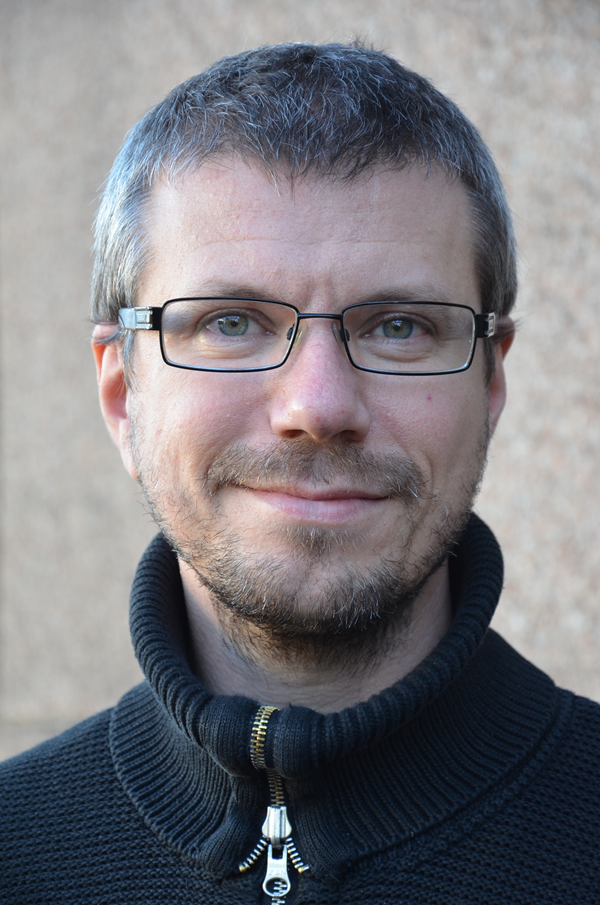
Norwegian gardens have gone from being full of fruits and berries to becoming flat lawns with trampolines and gas grills. “We have gardens that demand more, but give less back to nature,” says Professor Kyrre Kverndokk.

Main content
“For many people, the garden has become an extension of their house – with thuja hedges as walls and lawns as floors. That’s not good for biodiversity,” says Kverndokk.
He is a professor of cultural studies at the University of Bergen and the academic lead behind the new documentary "Paradisets bakside" (The flip side of paradise). The documentary is based on the results of the research project Gardening the Globe and is available with Norwegian and English subtitles. The project explores how everyday practices like gardening are connected to broader landscape changes and biodiversity loss.
Gardens have turned into consumer spaces
Norwegians have less time, go on more vacations, move house more frequently, and experience more break-ups than a few decades ago. According to researchers, these are some of the reasons why many Norwegian gardens have evolved into sterile lawnscapes.
“In the past, edible plants dominated Norwegian gardens. Now, gardens have less utilitarian aspects, while the recreational aspects have started to take up more space – with lounge furniture, wooden decks, gas grills, and trampolines. There are fewer fruit trees and berry bushes, and vegetable patches have, at best, been replaced by raised beds,” says Kverndokk.
The documentary shows that many modern gardens are designed with resale value in mind, not nature. They are characterized by clean lines, neatly trimmed lawns, large seating areas, and manicured plantings. People are inspired by luxury resorts and shop extensively at garden centers.
But it’s not just the consumption of outdoor furniture and other mass-produced goods that has increased. The use of water, fertilizer, and plants has also risen significantly.
“There are quite a few Norwegians who genuinely want to grow perennials, shrubs, and trees, but they struggle because conditions are poor. Many modern gardens are built on plots that are leveled with rock and gravel, and topped with a thin layer of nutrient-poor soil. The result is high consumption of various inputs such as water and fertilizers,” says Kverndokk.
Gardens have - in other words - become simpler in appearance, yet more resource-intensive than gardens from back in the day.
“Many people who dream of a lush garden end up facing poor soil and demanding conditions,” he says.
The decisions we make in our gardens matter
Private gardens likely cover bigger land masses than cultivated farmland in Norway. Therefore, it matters greatly what is – or isn’t – planted in the gardens of ordinary people.
“When lawns and patios take over, biodiversity naturally declines, which reduces habitats for pollinating insects,” says Kverndokk.
He has, however, observed a counter-reaction to the neatly trimmed "trampoline gardens" in recent years.
“We see this counter-reaction in various campaigns led by for instance WWF Norway, where people are encouraged to turn their lawns into wildflower meadows.”
Kverndokk says we are in a dramatic period of landscape changes and biodiversity loss, and he hopes the new documentary will prompt garden owners to reflect on their practices. He offers several concrete tips:
“Go for a more diverse range of plants, let the lawn grow in spring, avoid pesticides, use organic fertilizer, avoid invasive plant species with high risk of spreading, and consider where decorative stones and other garden elements come from. Stones used in flower beds may be a result of major landscape alterations elsewhere on the planet,” he says.
Documentary: "Paradisets bakside" (The flip side of paradise)
The film shows how Norwegian gardens have changed since the 1950s, and what those changes mean for nature and society. It's part of the research project Gardening the Globe, funded by the Research Council of Norway.
The documentary is produced by Leidar Norway, directed by Tor Karlsen, with Anders Martin Helle as cinematographer and co-director. Professor Kyrre Kverndokk from the University of Bergen is the film’s academic lead.
The word most people associate with “garden” is “paradise.” However, many gardens have a flip side: they are resource-intensive and not nature-friendly. The film highlights the dark side of modern gardens.
Researchers Kyrre Kverndokk (UiB), Henrik H. Svensen (UiO), and Gunhild Setten (NTNU) are part of the Gardening the Globe project and appear in the film. Additional contributors include May-Brith Ohman Nielsen (UiA), Runar Døving (Kristiania University of Applied Sciences), and Ragnhild Brochmann (art historian and fashion commentator).
The film is available on the streaming platform Viten-TV: Paradisets bakside