Home
Unsplash

Ocean

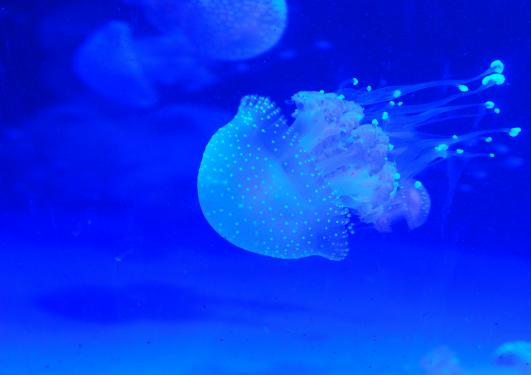
The University of Bergen is Norway's largest marine university, with high-quality marine education and world-class research environments. UiB has taken a leading role in the work on the UN's Sustainable Development Goal 14 - Life below water.

New Research
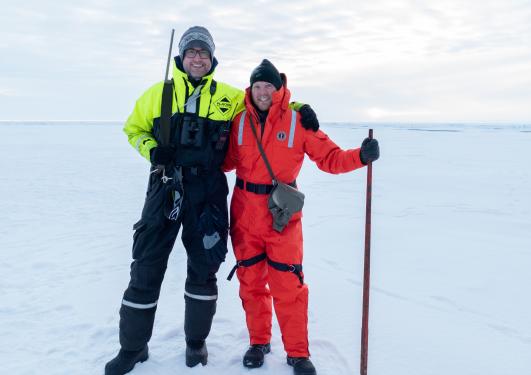
To menn i kjeledress på isen. Alt er hvitt. De smiler til kamera.

Scientists discovered a unique ecosystem under the Arctic

A few years ago, scientists from the University of Bergen, for the first time in history, managed to collect samples from one of the most remote and extreme seafloor environments deep under the Arctic ice. Now, their first findings reveal extreme hot springs, fragile metal-rich chimney structures,...

Research-based innovation
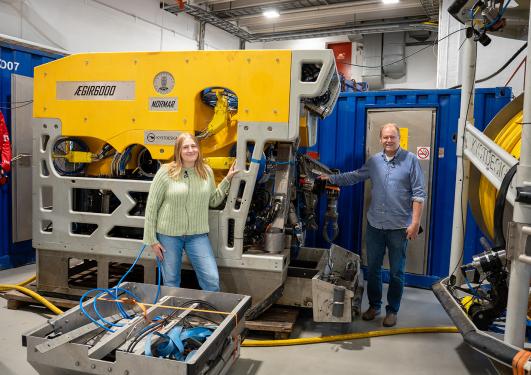
Maja Lian Jæger og Rolf Birger Pedersen på Havobservasjonslaboratoriet.

We Know More About the Moon Than 60 percent of Earth’s Surface

Now the University of Bergen wants to uncover the secrets of the dark ocean, by establishing a national centre for deep-sea innovation.

News
Marineholmen Research Park

Marineholmen Innovation District: Scaling Blue Innovation

At the heart of Bergen’s marine knowledge cluster, Marineholmen exemplifies how co-located research, entrepreneurship, and sustainable infrastructure can accelerate the EU’s mission for a climate-resilient, innovation-driven blue economy.

News
FishMet

FishMet: A Proof-of-Concept for Science-Based Aquaculture Innovation

UiB professors Ivar Rønnestad and researcher Sergei Budaev are developing FishMet, a proof-of-concept using digital twin models to explore smarter, more sustainable fish feeding strategies

SDG 14 logo

The University of Bergen has been designated by the United Nations Academic Impact to coordinate university collaboration for the UN's Sustainable Development Goal 14 - Life below water: 
Conserve and sustainably use the oceans, seas and marine resources for sustainable development.

The UN's Sustainable Development Goals are the world's joint work plan to eradicate poverty, fight inequality and stop climate change by 2030.