
Nyhetsarkiv for Aktuelt
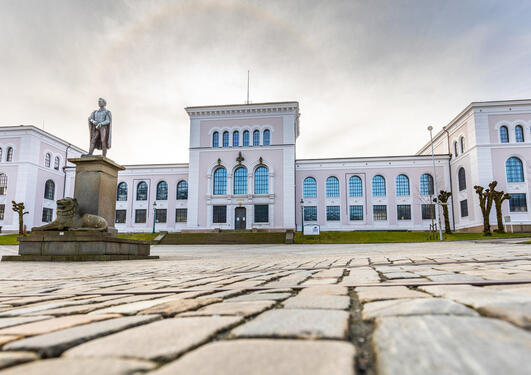
This week, the University of Bergen became part of a group of the world's leading climate research institutions.
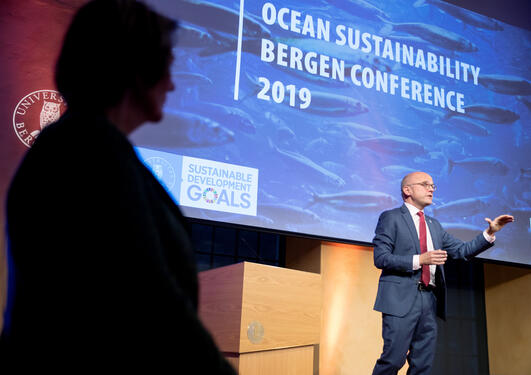
The University of Bergen is on track with the deliverables promised in SDG Action 28818, which has now been updated to include further deliverables towards the 2030 Agenda.
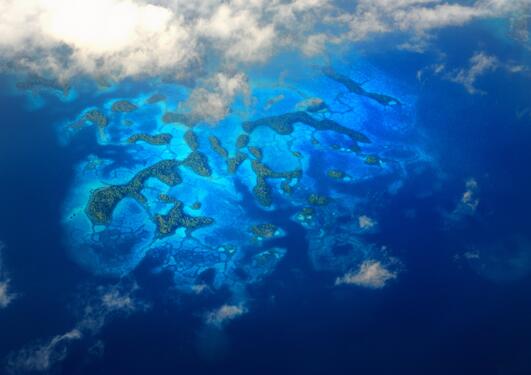
The new Norway-Pacific Ocean-Climate Scholarship Programme builds on long-term collaboration between two ocean and climate oriented universities, which includes a voluntary commitment at the inaugural UN Ocean Conference.
For the second year running the University of Bergen is ranked in the top 100 THE University Impact Rankings. The rankings are based on how oriented a university is towards the Sustainable Development Goals (SDGs) and social responsibility.
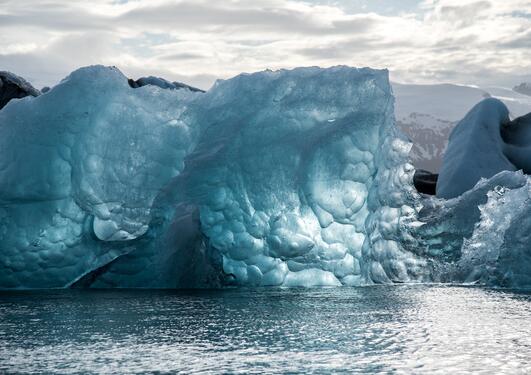
Near the end of the last ice age, the global sea level rose 12–14 meters in less than 350 years. Most of the meltwater has been thought to have come from North America and Antarctica. A new study shows that the ice over coastal Norway and the Barents Sea may have contributed almost as much.

New research suggests that current models critically underestimate the uncertainties when predicting future irrigated areas.
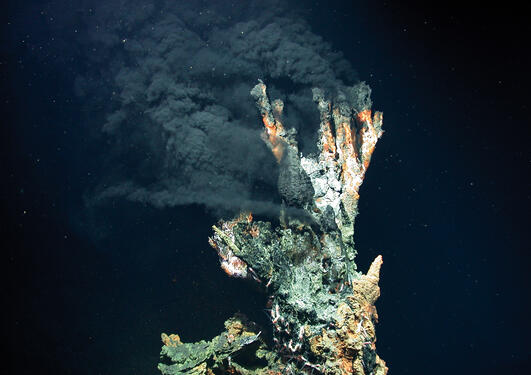
How does life thrive there without photosynthesis? The diversity of marine life in these systems is surprising.

The research programme GRIP has launched a series of interviews on global inequality as a response to the ongoing COVID-19 pandemic.
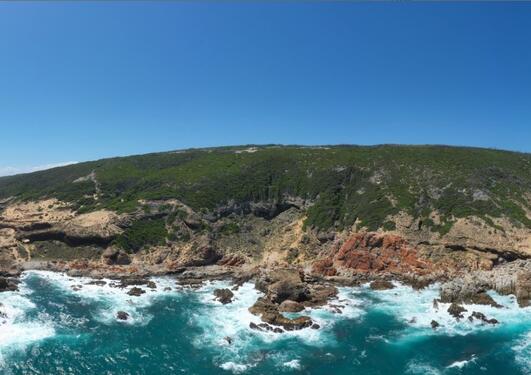
The report provides an insight to our exciting activities taking place throughout the calendar year.
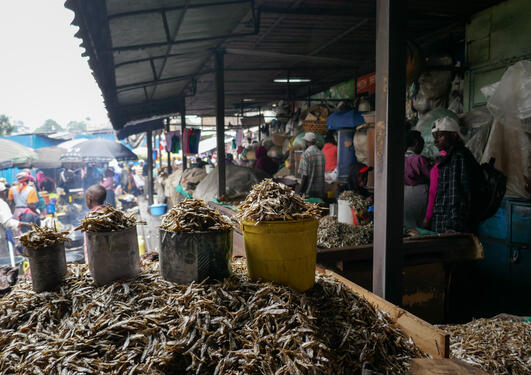
In the world today, malnutrition is a bigger problem than hunger. Researchers hope that a small freshwater fish may prove to be packed with important micronutrients.
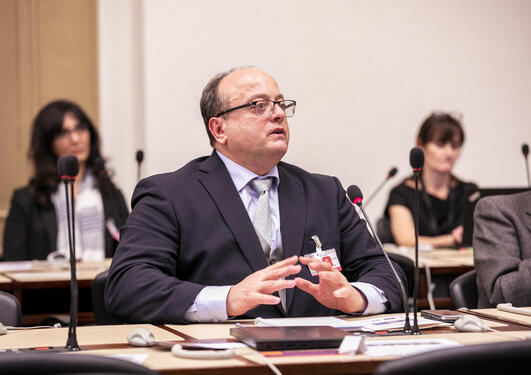
UiB professor Hakan G. Sicakkan’s newly launched project Protect will study refugees’ rights to international protection. A vital moment for projects like Protect, UN Refugee Agency says.
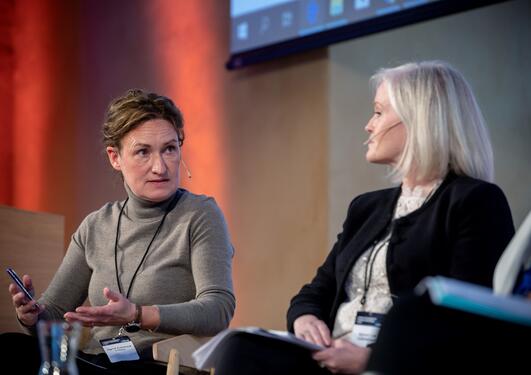
In a meeting on biological diversity on the high seas, scientists and other actors gave valuable advice to representatives from Norway’s Ministry of Foreign Affairs before final negotiations on regulation of natural resources outside of national jurisdiction.
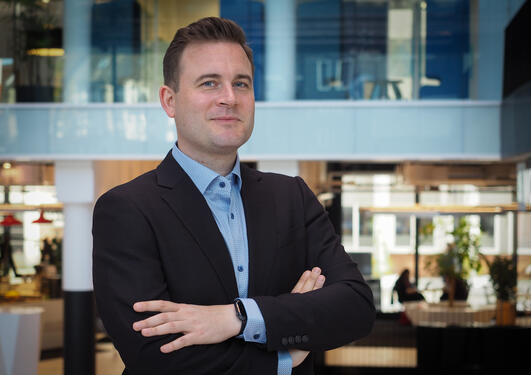
Christoph Trattner actually wanted to be a chef. Now, he wants to help you avoid digital junk food.
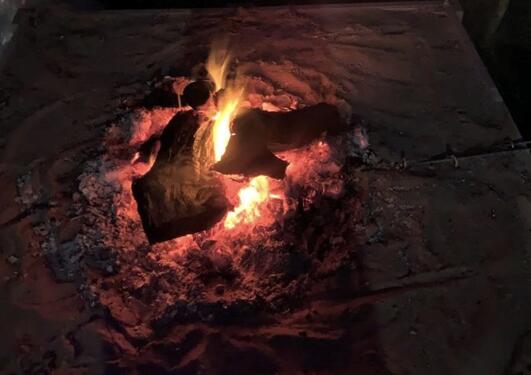
The archaeologists who found the world's oldest man-made drawing are back in the South African fields in search of new discoveries. Follow their day-to-day blog and see what happens when they experiment with heat and fire to get a better understanding of how humans lived 100 000 years ago.

In a special workshop during the SDG Conference Bergen a group of leading international researchers presented their visions for improving science advice to decision-makers.
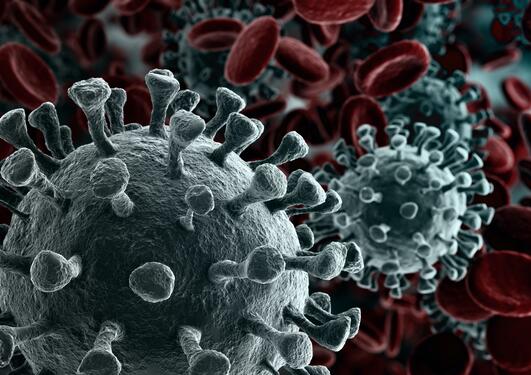
The coronavirus outbreak (COVID-19) is confirmed as pandemic by WHO, 11. march. To what extent should we fear the coronavirus? We have asked virus expert Professor Rebecca Cox.
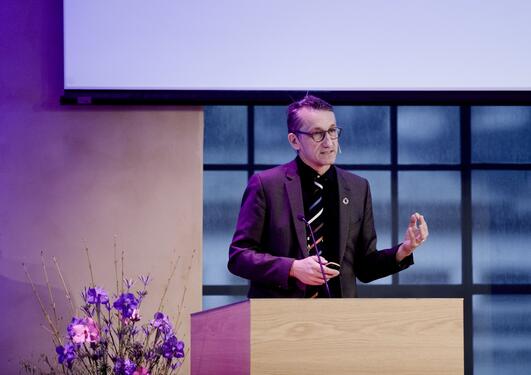
Moving from inaction to action was the overarching theme at the third national SDG Conference Bergen in February 2020. The debate was on what role technology can play to achieve the 2030 Agenda.
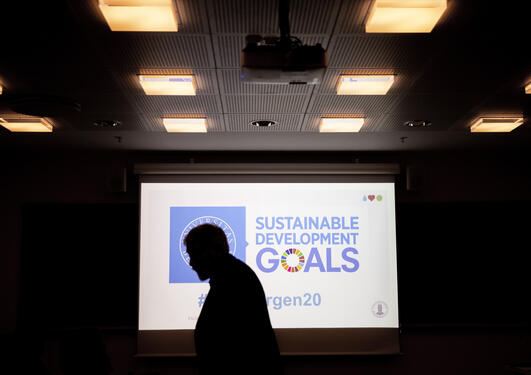
The SDG Bergen Policy Briefs series was presented to researchers gathered for a workshop on science diplomacy at the 2020 SDG Conference Bergen.
Sider
- februar 2026 (3)
- januar 2026 (6)
- desember 2025 (6)
- november 2025 (2)
- oktober 2025 (5)
- september 2025 (4)
- august 2025 (4)
- juli 2025 (5)
- juni 2025 (10)
- mai 2025 (1)
- april 2025 (7)
- mars 2025 (5)
- februar 2025 (8)
- januar 2025 (6)
- desember 2024 (6)
- november 2024 (4)
- oktober 2024 (4)
- september 2024 (7)
- august 2024 (3)
- juli 2024 (2)
- juni 2024 (8)
- mai 2024 (3)
- april 2024 (7)
- mars 2024 (7)
- februar 2024 (7)
- januar 2024 (6)
- desember 2023 (9)
- november 2023 (11)
- oktober 2023 (10)
- september 2023 (9)
- august 2023 (12)
- juli 2023 (1)
- juni 2023 (9)
- mai 2023 (13)
- april 2023 (6)
- mars 2023 (8)
- februar 2023 (10)
- januar 2023 (4)
- november 2022 (6)
- oktober 2022 (5)
- september 2022 (6)
- august 2022 (2)
- juli 2022 (1)
- juni 2022 (5)
- mai 2022 (5)
- april 2022 (7)
- mars 2022 (7)
- februar 2022 (11)
- januar 2022 (1)
- desember 2021 (5)
- november 2021 (3)
- oktober 2021 (4)
- september 2021 (2)
- august 2021 (6)
- juli 2021 (1)
- juni 2021 (14)
- mai 2021 (11)
- april 2021 (6)
- mars 2021 (9)
- februar 2021 (7)
- januar 2021 (1)
- desember 2020 (6)
- november 2020 (6)
- oktober 2020 (4)
- august 2020 (2)
- juli 2020 (4)
- juni 2020 (9)
- mai 2020 (3)
- april 2020 (8)
- mars 2020 (4)
- februar 2020 (6)
- januar 2020 (4)
- desember 2019 (2)
- november 2019 (3)
- oktober 2019 (10)
- september 2019 (5)
- august 2019 (1)
- juli 2019 (5)
- juni 2019 (3)
- mai 2019 (2)
- april 2019 (3)
- mars 2019 (2)
- februar 2019 (6)
- januar 2019 (5)
- desember 2018 (4)
- november 2018 (8)
- oktober 2018 (2)
- september 2018 (3)
- august 2018 (2)
- juli 2018 (4)
- juni 2018 (5)
- mai 2018 (2)
- april 2018 (4)
- mars 2018 (1)
- februar 2018 (4)
- januar 2018 (2)
- desember 2017 (2)
- november 2017 (3)
- oktober 2017 (2)
- august 2017 (3)
- juli 2017 (1)
- juni 2017 (8)
- mai 2017 (2)
- april 2017 (8)
- mars 2017 (6)
- februar 2017 (5)
- januar 2017 (5)
- desember 2016 (3)
- november 2016 (1)
- oktober 2016 (2)
- september 2016 (1)
- august 2016 (4)
- juni 2016 (2)
- mai 2016 (4)
- mars 2016 (1)
- februar 2016 (2)
- januar 2016 (4)
- november 2015 (3)
- september 2015 (2)
- august 2015 (2)
- juni 2015 (3)
- mai 2015 (3)
- april 2015 (2)
- februar 2015 (1)
- november 2014 (3)
- oktober 2014 (1)
- september 2014 (1)
- august 2014 (5)
- juni 2014 (2)
- mai 2014 (1)
- april 2014 (1)
- mars 2014 (1)
- januar 2014 (1)
- desember 2013 (1)
- november 2013 (1)
- oktober 2013 (1)
- september 2013 (1)
- august 2013 (1)
- april 2013 (1)
- januar 2013 (1)
- desember 2012 (2)
- oktober 2012 (1)
- mai 2012 (1)
- april 2012 (1)
- november 2011 (1)
- februar 2011 (1)