Arctic Sea Ice – the big picture and the small cracks
Arctic sea ice is shrinking fast, reshaping the Arctic Ocean and its role in the global climate system. As the ice retreats and changes character, its influence on ecosystems and societies is shifting in ways we are only beginning to grasp. In this event, three researchers will show how climate prediction and sea‑ice modelling shed light on what the Arctic of tomorrow may look like.

Main content
About the event (held in English)
Arctic sea ice is declining, and the Arctic Ocean is shifting from white to blue. But what does that really mean—for us, for the planet, and for the ice itself? Why do scientists devote so much effort to understanding sea ice, even as headlines claim the Arctic will soon be “ice‑free”?
In reality, sea ice will not vanish completely from the Arctic as long as Earth’s tilt continues to bring months of winter darkness and cold. But that does not mean we can relax. Sea ice acts like a reflective blanket: it sends much of the Sun’s energy back to space, cooling the planet, and it insulates the ocean from the atmosphere. As it retreats, the consequences for the global climate, Arctic ecosystems—and eventually for human societies—will be lasting and significant.
And it’s not only about how much ice we lose. The character of the remaining ice is changing too, in ways we don’t yet fully understand. Will the future Arctic feature more cracks and openings? Fewer large ice plates and more small, fragile floes? Less total ice, yet more seasonal growth?
To anticipate the future of the Arctic Ocean—and of our climate—we need to understand the sea ice of tomorrow.
In this event, three researchers, all connected to the Bjerknes centre, will share how their work in climate prediction and sea‑ice modelling helps reveal the changing role of sea ice in today’s world and in the decades ahead.
Talks
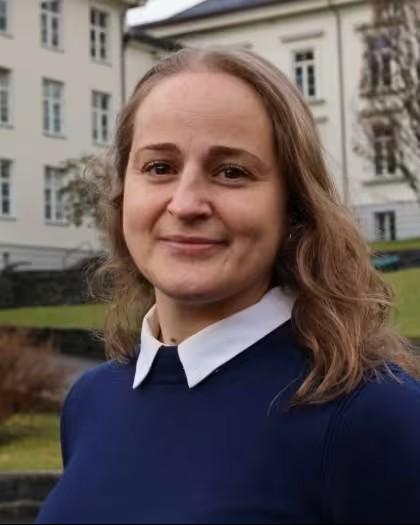
- Zooming out on the Arctic: a big picture look at Arctic sea ice decline, by Lea Svendsen, Associate Professor, Geophysical Institute, University of Bergen
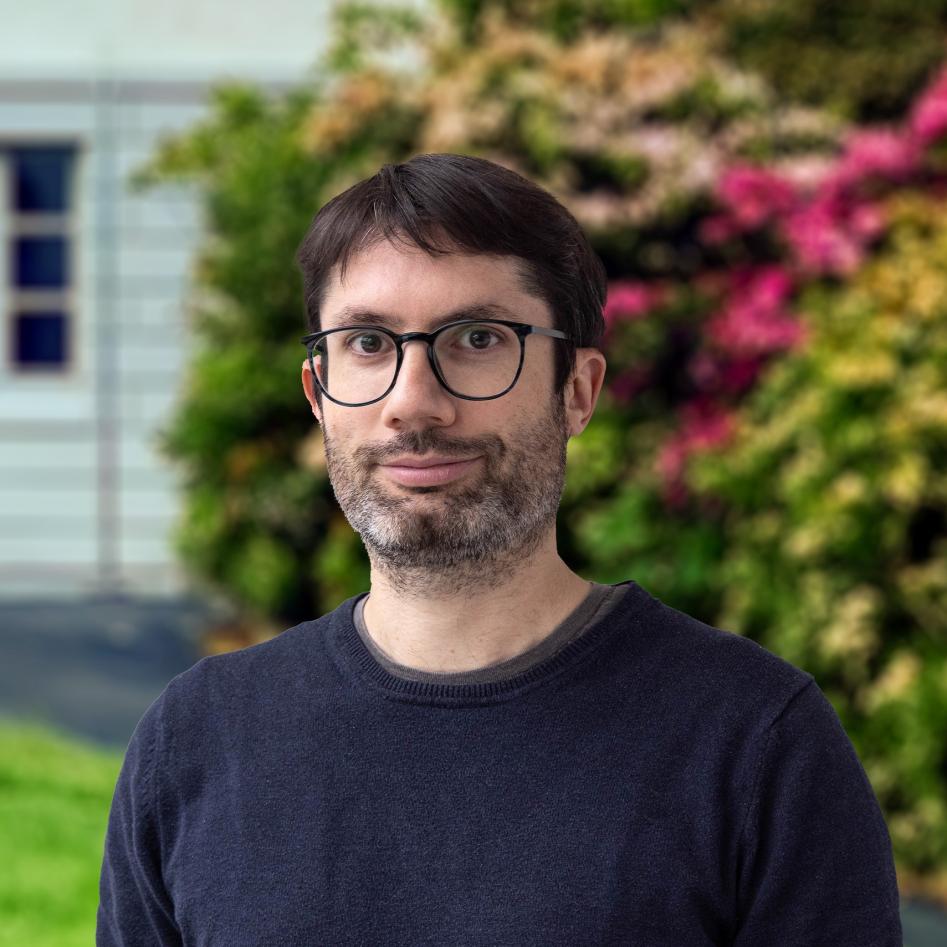
- Going with the floe: how to model sea ice in a changing Arctic, by Guillaume Boutin & Jonathan Rheinlænder, Researchers, Nansen Environmental and Remote Sensing Center
Date & time
March 26, 2026, 19.00-20.00
Free and open for all!
Organisers
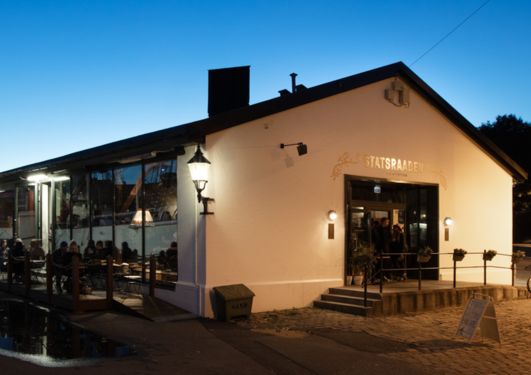
Ocean Science Bar is a collaboration between Statsraad Lehmkuhl, the University of Bergen, the Institute of Marine Research, NORCE, and the Nansen Center. At the Statsraaden Bar & Reception you are welcome to enjoy highlights from marine research and ocean related issues in informal and relaxing surroundings.