
Nyhetsarkiv for Institutt for arkeologi, historie, kultur- og religionsvitenskap
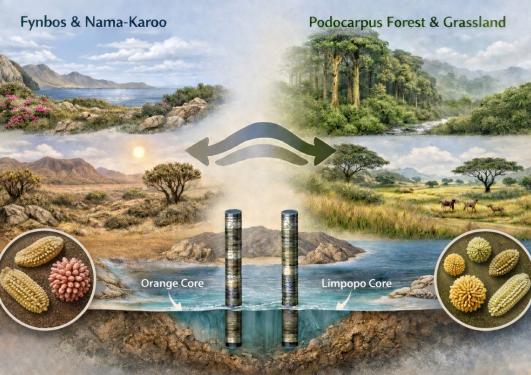
A new study challenges the idea that climate change drove early human innovation. Instead, researchers find that cultural developments arose under different environmental conditions, shaped by movement, interaction, and knowledge sharing.
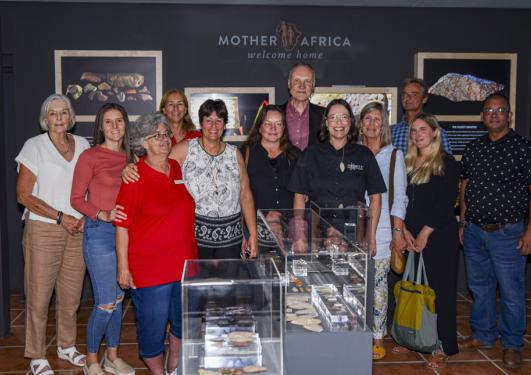
The Wits/SapienCE Blombos Museum of Archaeology in Still Bay, Southern Cape, has received the award for Best Innovative Project in the Field of Museums, Heritage, and Geographical Names from the Western Cape Department of Cultural Affairs and Sport.
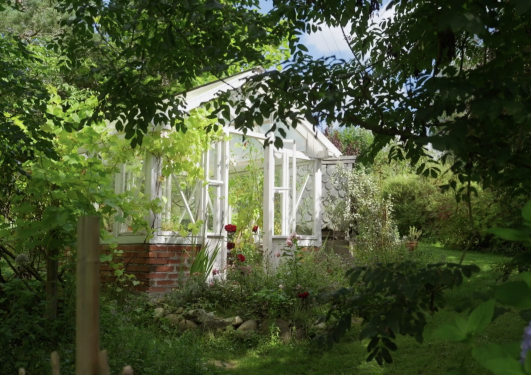
Norwegian gardens have gone from being full of fruits and berries to becoming flat lawns with trampolines and gas grills. “We have gardens that demand more, but give less back to nature,” says Professor Kyrre Kverndokk.
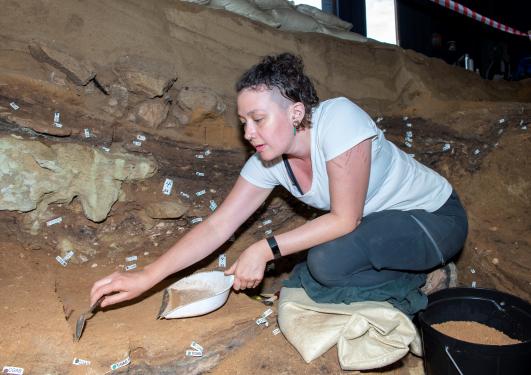
A new study from SapienCE reveals that early modern humans at Blombos Cave in South Africa used ochre as a specialized tool for stone toolmaking during the Middle Stone Age, demonstrating advanced technical skills far earlier than previously believed.

How did our ancestors learn to craft tools, control fire, paint on cave walls, and sail across vast oceans — and how were these skills passed down through generations?
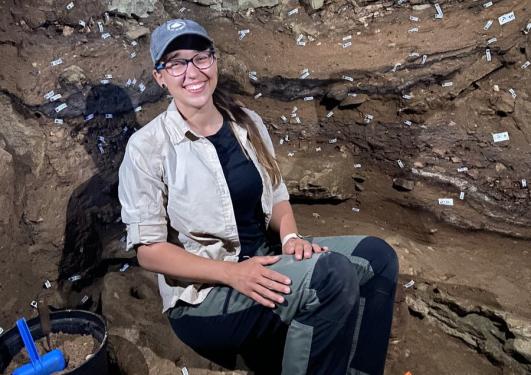
Her passion for archaeology was sparked the first time she witnessed an active archaeological dig. This spring, Asia Alsgaard supervised the SapienCE excavations at Klipdrift Cave during fieldwork in South Africa.
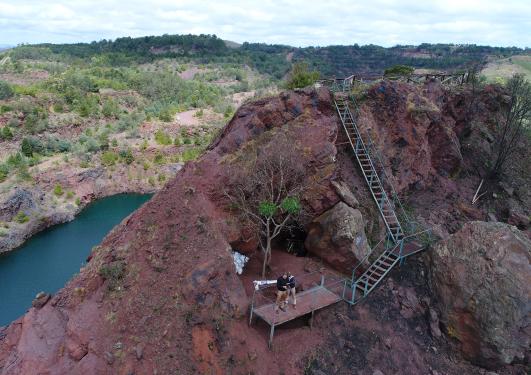
SapienCE scientist Elizabeth Velliky and her team have uncovered that the world's oldest ochre mine, Ngwenya in eSwatini, wasn't the only source of ochre pigment as we once thought. Instead, people used a variety of local ochres, showcasing unique cultural traditions and social interactions in Stone Age communities in Eswatini.
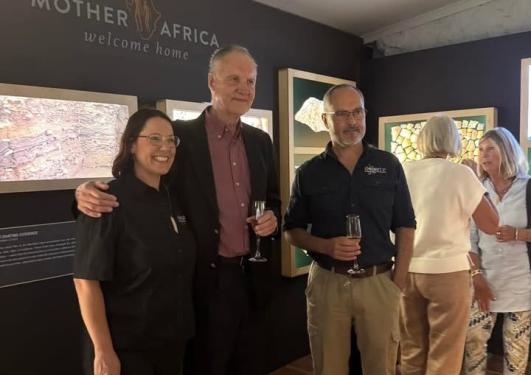
The Blombos Museum of Archaeology has launched the much-anticipated exhibition Origins of Early Southern Sapiens Behaviour marking a significant milestone in understanding early human prehistory.

Dr. Margit H. Simon is awarded a prestigious ERC Consolidator Grant of 2,17 million Euros to lead the PIONEER project which will transform our understanding of how environmental factors shaped the evolution of behavioural complexity in early Homo sapiens.
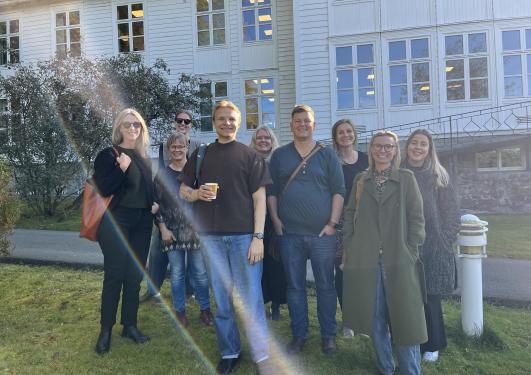
This fall, the research group Research and Teaching on Controversial Issues is hosting a seminar for teachers to explore various approaches to teaching controversial issues in schools.

A new study published in Scientific Reports shows that hide glue made from calfskin was used as a binder in the paints used to produce Uvdal stave church’s decorations. Surprisingly, tests also uncovered traces of human saliva.
Download our latest annual report and delve deeper into our discoveries and advancements, including experiences from the field in South Africa.
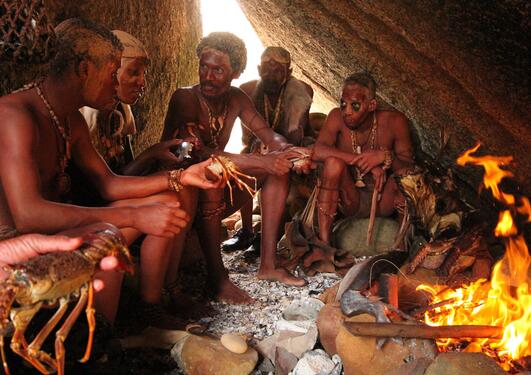
A recent study at SapienCE calls for a more nuanced approach to understanding the evolution of human cognition, arguing that research on the mental abilities of humans – in the present and the past – needs to incorporate cultural and cognitive diversity more explicitly.

A new SapienCE exhibition has opened in South Africa. The 'Origins of Early Southern Sapiens Behaviour” showcases unique archaeological discoveries offering visitors a distinct cultural experience in the heart of the De Hoop Nature Reserve.

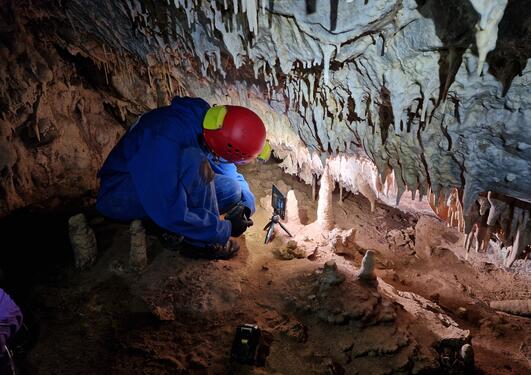
A recent study demonstrates how dripstones can be crucial for reconstructing past climates. The new approach can provide a detailed picture of the climate around early human occupations in South Africa.
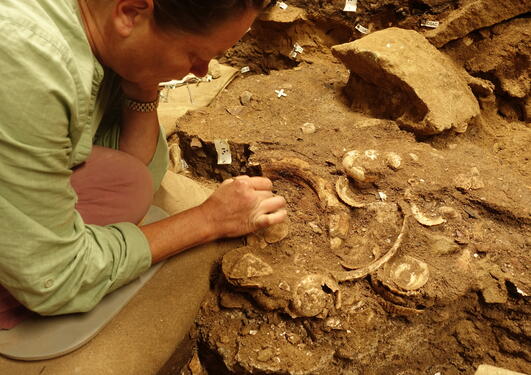
Our early ancestors were collecting eye-catching shells that may have been used as personal ornaments 100 000 years ago. The discoveries possibly also show the creation of identity that gradually, but radically changed the way we look at ourselves and others.
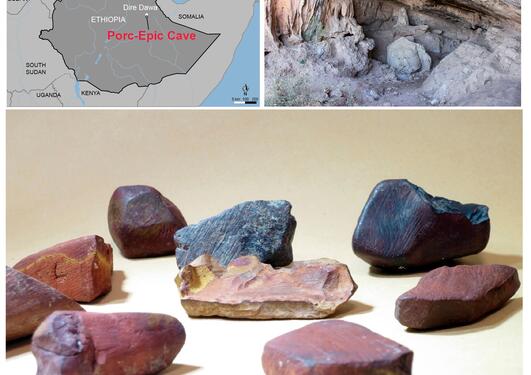
SapienCE’s Francesco d’Errico and his international team have published their analysis of the largest known collection of Middle Stone Age ochre, which reveals how ochre use evolved over a period of 4500 years. The new study is essential to understand how complex cultures arose and diversified in human history.
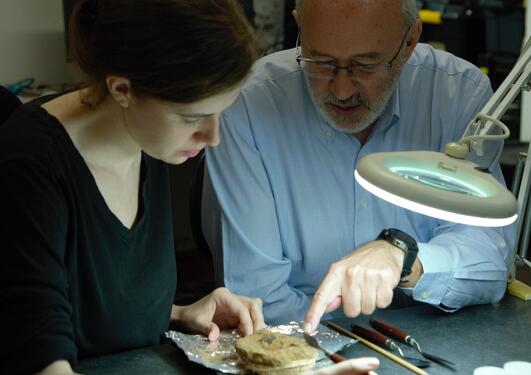
SapienCE scientist Francesco d’Errico is ranked as number 1 in Social Sciences and Humanities in Norway by Research.com.
Sider
- februar 2026 (1)
- oktober 2025 (1)
- juli 2025 (1)
- juni 2025 (2)
- mai 2025 (1)
- januar 2025 (1)
- desember 2024 (2)
- oktober 2024 (1)
- september 2024 (1)
- mai 2024 (1)
- februar 2024 (1)
- januar 2024 (1)
- oktober 2023 (1)
- september 2023 (2)
- august 2023 (1)
- juni 2023 (2)
- mai 2023 (1)
- mars 2023 (1)
- november 2022 (1)
- oktober 2022 (1)
- august 2022 (1)
- mai 2022 (1)
- februar 2022 (1)
- juni 2021 (1)
- mai 2021 (1)
- april 2021 (1)
- mars 2021 (1)
- februar 2021 (1)
- september 2020 (1)
- august 2020 (1)
- april 2020 (2)
- mars 2020 (1)
- februar 2020 (1)
- januar 2020 (1)
- desember 2019 (1)
- november 2019 (1)
- mai 2019 (1)
- februar 2019 (1)
- desember 2018 (1)
- november 2018 (2)
- september 2018 (1)
- oktober 2017 (1)
- september 2017 (1)
- oktober 2016 (2)
- februar 2015 (1)
- august 2014 (1)
- november 2013 (1)
- oktober 2013 (1)