
News archive for Research

A new study from the University of Bergen suggests that biological differences in the body may help determine who responds to electroconvulsive therapy (ECT) for severe depression.

The new Innovation Center for Neuroresilience (ICoN) aims to shift the focus from treatment to prevention of neurodegenerative diseases. The center brings together leading researchers in close collaboration with Norwegian and international industry partners and has been awarded the status of a Centre for Research-based Innovation (SFI).
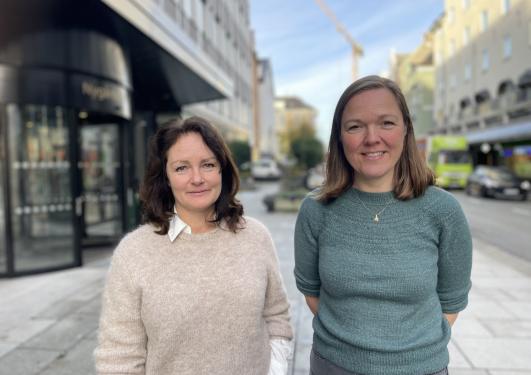
Sea lice and bacterial diseases are among the biggest challenges in Norwegian aquaculture. Now, two researchers at the University of Bergen have received funding from the Research Council of Norway to develop new knowledge that can improve fish health and strengthen sustainability in the industry.
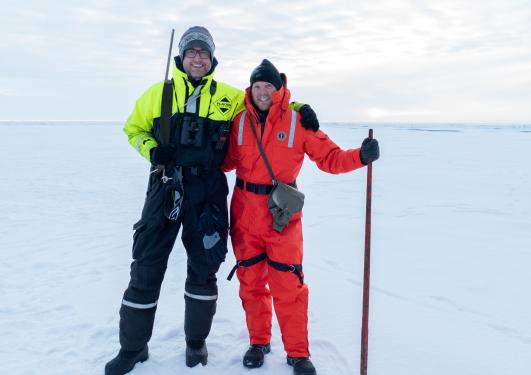
A few years ago, scientists from the University of Bergen, for the first time in history, managed to collect samples from one of the most remote and extreme seafloor environments deep under the Arctic ice. Now, their first findings reveal extreme hot springs, fragile metal-rich chimney structures, and enormous hydrogen release that could be crucial for the search for life in our Solar System.
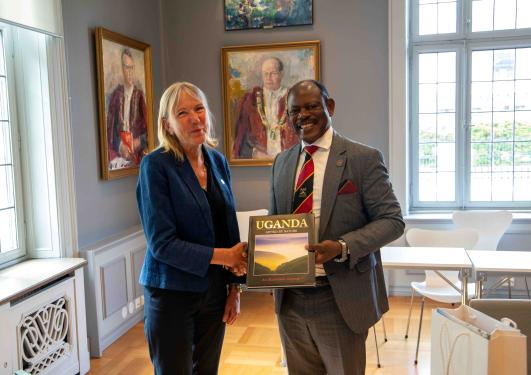
The two new projects will strengthen a global network for sustainable energy storage and Norwegian-Ugandan cooperation on global health. The partnerships will provide new initiatives and opportunities for international collaboration for students and staff at UiB, as well as for the partners.
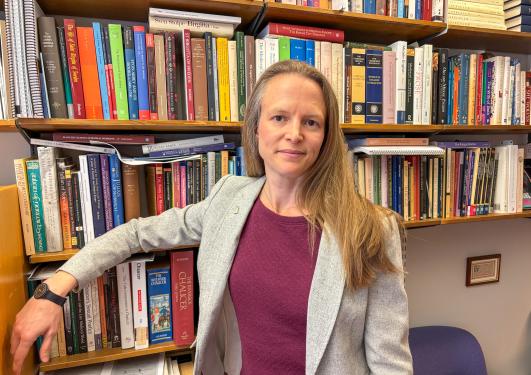
Did nuns play a more active and influential role in shaping our literary canon? Professor Laura Saetveit Miles, a specialist in British literature, sets high ambitions for her next research project: she aims to demonstrate how women shaped Medieval literature through both reading and writing.

Norwegian gardens have gone from being full of fruits and berries to becoming flat lawns with trampolines and gas grills. “We have gardens that demand more, but give less back to nature,” says Professor Kyrre Kverndokk.
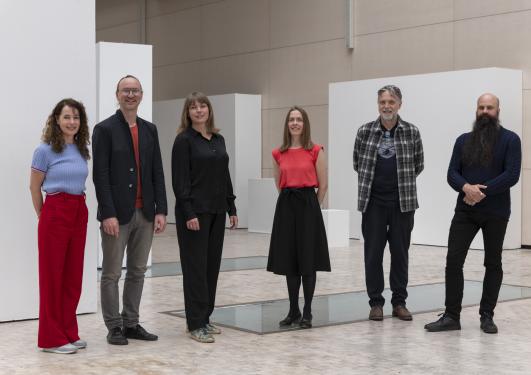
Researchers at the Faculty of Fine Art, Music and Design (KMD) at the University of Bergen (UiB) have been given a central role in the new national research center MishMash – Center for AI and Creativity. The grant is part of the national initiative on artificial intelligence (AI) and marks an important breakthrough for artistic research in the face of emerging technologies.
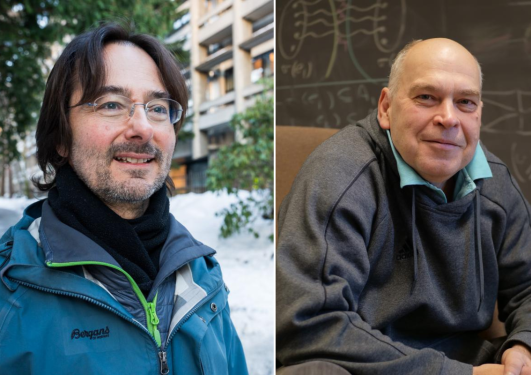
Professors Martino Marisaldi and Fedor Fomin receive EU support for groundbreaking projects in algorithm theory and space physics. The grants will allow them to explore fundamental questions in their fields of research.

Hybrid intelligence is the future, according to Professor Barbara Wasson. She will head the new research centre AI LEARN, which will conduct research on the interaction between human and artificial intelligence (AI) over the next five years.

The University of Bergen is represented by four of the 19 finalists in the national competition to establish new AI centres. Discover the candidates here.

Did you know that poor oral health can be linked to diseases such as diabetes, cardiovascular diseases, and lung diseases? Professor Randi Bertelsen and PhD students Tuva Norderud Jensen and Anders Røsland recently participated in the Science Is Wonderful! festival in Belgium – an annual celebration of EU-funded research organized by the European Commission.

The University of Bergen is among the initiators of the European campaign Research Matters. The campaign advocates for increased investment in research and innovation in the EU and all European countries.

The AI center initiative, Digital Learning Communities AI Centre, led by Rune Johan Krumsvik, aims to increase AI competence in education. The researchers will build on findings about how AI can be used as a sparring partner in student assessments

“I experience this prize as an enormous encouragement to believe in the things I am doing, and a profound motivation to try and continue my work,” says the award winner who hopes to one day write something that can have a real impact on how we live our lives.
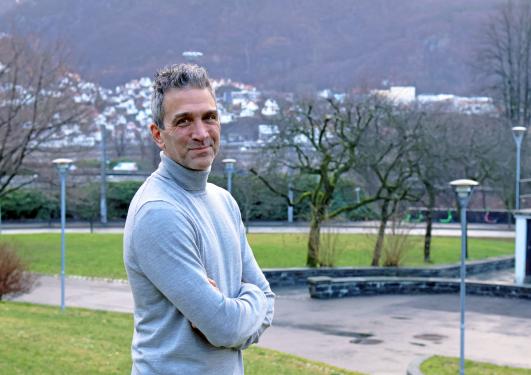
The main goal of the centre is to transform the provision of weather, climate and environmental information to enable better- informed decisions in the face of unprecedented environmental challenges. All this by using artificial intelligence.

The University of Bergen (UiB) will host another seven international research fellows after a very successful application round in this year’s competition for MSCA funding from the EU. The grants will fund the researchers' stay at UiB for two years.
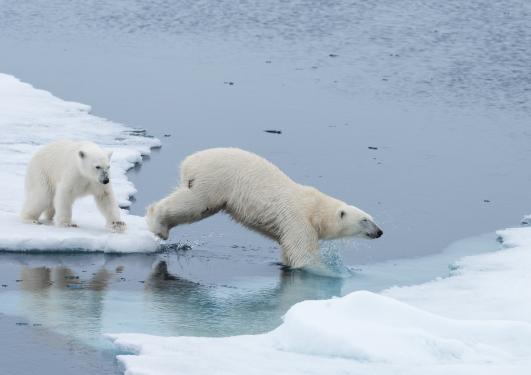
A brilliant idea led nanophysicist Bodil Holst to investigate why polar bear fur doesn't freeze. Now, her research on the deicing properties of polar bear fur has been published as the cover story in Science Advances.
Pages
- January 2026 (1)
- December 2025 (1)
- November 2025 (1)
- October 2025 (1)
- September 2025 (1)
- July 2025 (2)
- June 2025 (3)
- April 2025 (2)
- March 2025 (1)
- February 2025 (4)
- January 2025 (2)
- November 2024 (1)
- August 2024 (1)
- July 2024 (2)
- June 2024 (3)
- March 2024 (2)
- February 2024 (1)
- January 2024 (1)
- December 2023 (2)
- November 2023 (1)
- October 2023 (1)
- September 2023 (2)
- August 2023 (1)
- June 2023 (1)
- May 2023 (1)
- April 2023 (2)
- February 2023 (1)
- January 2023 (1)
- November 2022 (2)
- October 2022 (2)
- September 2022 (3)
- August 2022 (1)
- June 2022 (1)
- April 2022 (3)
- March 2022 (2)
- February 2022 (1)
- February 2021 (2)
- December 2020 (1)
- September 2019 (1)
- February 2018 (1)
- March 2017 (1)
- December 2016 (1)
- November 2016 (1)
- October 2016 (2)
- August 2016 (1)
- May 2016 (1)
- March 2016 (1)
- February 2016 (2)
- January 2016 (2)
- December 2015 (2)
- November 2015 (1)
- August 2015 (1)
- June 2015 (1)
- December 2013 (1)