AFINO is a virtual research centre for theory and activities on Responsible Research and Innovation and Corporate Social Responsibility.
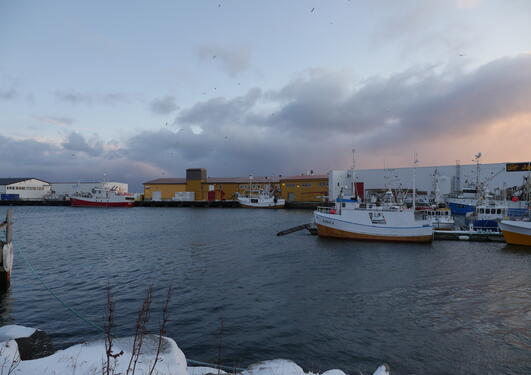
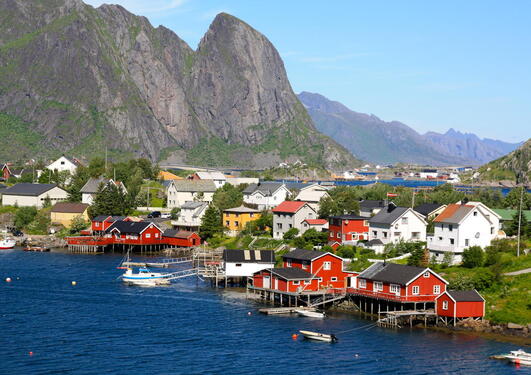
#LoVeSeSDG - Localizing the 2030 Agenda for Sustainable Development for the Barents Sea-Lofoten ecosystem in a changing climate - is a project that focuses on the Lofoten-Vesterålen-Senja (LoVeSe) region in Norway.
AFINO invites everyone who is interested to a webinar on Responsible Research and Innovation after the Covid-19 crisis.
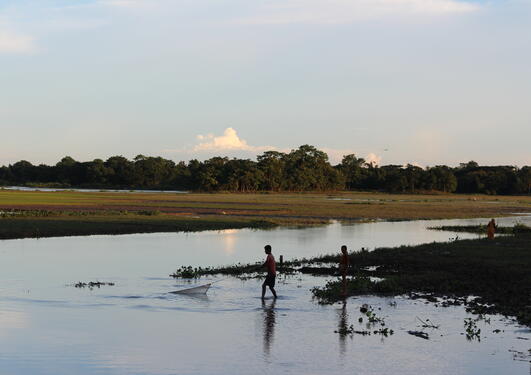
Bangladesh is one of the most vulnerable countries in the world to climate change. Scientists from UiB have worked together with communities around Sylhet, in northeast Bangladesh, in search of new ways for understanding and adapting to the climate.
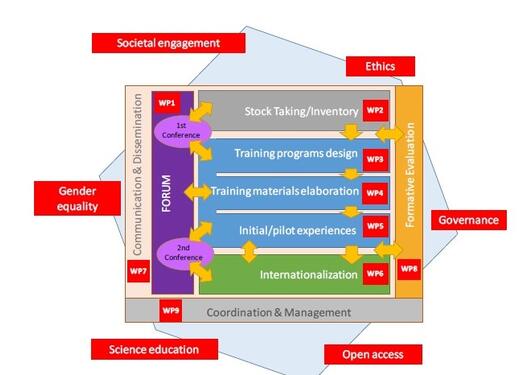
HEIRRI aimed to integrate the concept of “Responsible Research and Innovation” (RRI) into the science and engineering degrees; mainly focusing on universities and other higher education institutions (HEI).
The ENERI project aimed to establish an operable platform of actors in the fields of research ethics and research integrity.
This EU-funded project, in which UiB was partner, proposed to establish an evidence-based framework to support current stakeholder dialogues organised by a third party certifier.
This study resulted in a report describing some main traits in the development of the European knowledge society up to the present, significantly the tight interactions (co-productions) of science and politics.
Value Isobars - The Landscape and Isobars of European Values in Relation to Science and New Technology - was an EU-financed project coordinated by UiB.
PEGASUS was an EU-funded project on genetically modified animals of which UiB was a partner.
One of SVT's research areas was nano ethics, or more precisely: ethical and societal aspects of nanotechnology.
SYNENERGENE was a four-year mobilization and mutual learning action plan (MMLAP) supported by the European Commission under the 7th Framework Programme.
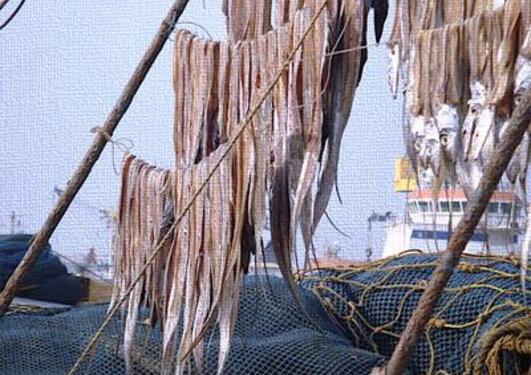
This projects sought to contribute to the issue of the ethical status of global fisheries and aquaculture, and thus it was based on the introductory question of how ethical our seafood is, or what it would mean to claim that it is ethical.
The Council of Europe, with its 47 member states, has for years been involved in international efforts for human rights and bioethics. In particular, it is known for the so-called Oviedo Convention that outlines ethical principles for biomedicine.
This project focused on the uncertainty connected to petroleum-related activities and whether or not these should be allowed in the valuable and vulnerable Lofoten in Northern Norway.
There were 10 parallel workshops at the 2018 SDG Conference Bergen. Find listed a presentation of each and every one as well as the speakers in each workshop.
This lecture traverses scientific practice from serious cheating to unintentional flaws in quality.
This project focused on the notion of citizenship in modern societies.