
Nyhetsarkiv for Det humanistiske fakultet

Call for applications for funding to stimulate activities that strengthen UiB’s work on global challenges - application deadline: 1 October 2026.

Global Challenges has allocated funds to stimulate academic cross-faculty collaboration - application deadline 1 October 2026.
Global Challenges has allocated funds to stimulate academic cross-faculty collaboration - application deadline 1 March 2026.
Call for applications for funding to stimulate activities that strengthen UiB’s work on global challenges. Application deadline: 1 March.
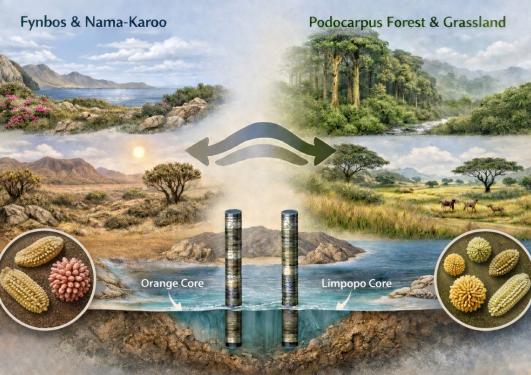
A new study challenges the idea that climate change drove early human innovation. Instead, researchers find that cultural developments arose under different environmental conditions, shaped by movement, interaction, and knowledge sharing.
Africa–Europe research collaborations must move beyond narrow notions of “equitable partnerships” and towards a research system in which African institutions shape agendas, methods and benefits on equal terms.
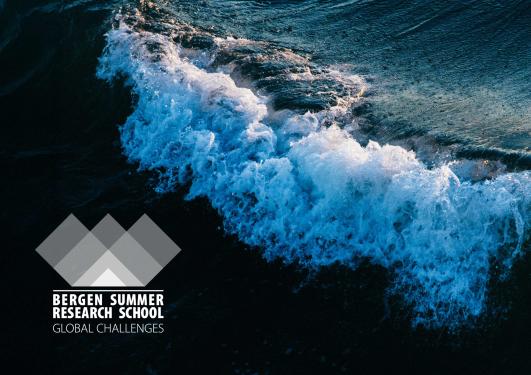
The data speaks clearly – our planet faces serious challenges, and the ocean is at the heart of them. Next summer we consider both the opportunities and controversies that come with ocean use. Apply by 1 February 2026.
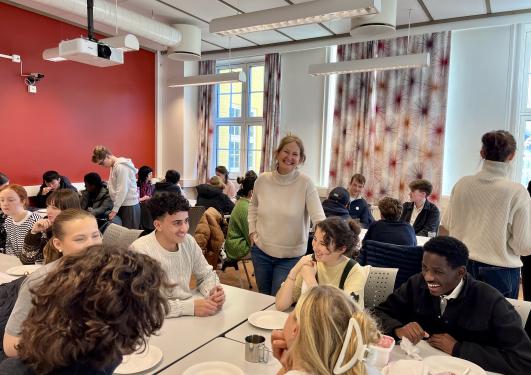
It’s Thursday, October 30th. The time is 8:00 AM, and outside the HF building, a lively group of 28 students from Langhaugen Upper Secondary School is gathered. The students are ready for action. They’ve been hired as language assistants to give international students in the NOR-INTRO program the opportunity to speak Norwegian with native speakers before their exam. The payment for today’s work... Les mer

A Landmark Anniversary for a Hub of Research and Collaboration for Nordic Institutes and Beyond
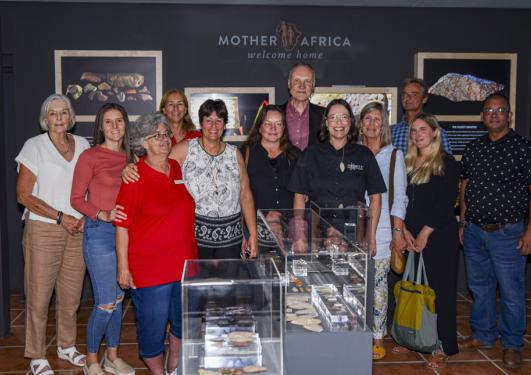
The Wits/SapienCE Blombos Museum of Archaeology in Still Bay, Southern Cape, has received the award for Best Innovative Project in the Field of Museums, Heritage, and Geographical Names from the Western Cape Department of Cultural Affairs and Sport.
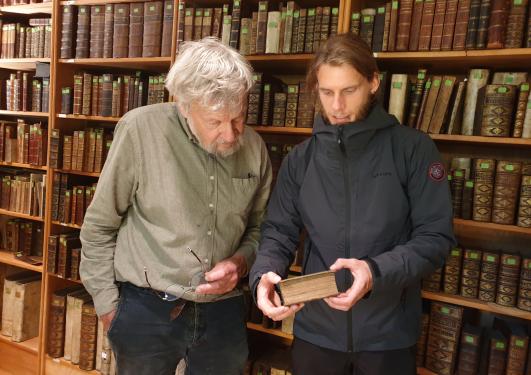
Remnants of medieval books were coincidentally discovered at Bergen Cathedral School - a high school located in the city center of Bergen. The findings will now be documented and analyzed by the international research project CODICUM.
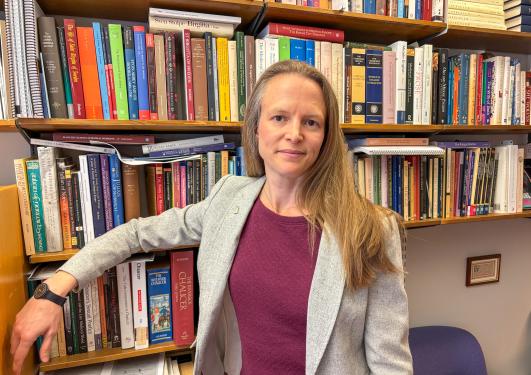
Did nuns play a more active and influential role in shaping our literary canon? Professor Laura Saetveit Miles, a specialist in British literature, sets high ambitions for her next research project: she aims to demonstrate how women shaped Medieval literature through both reading and writing.
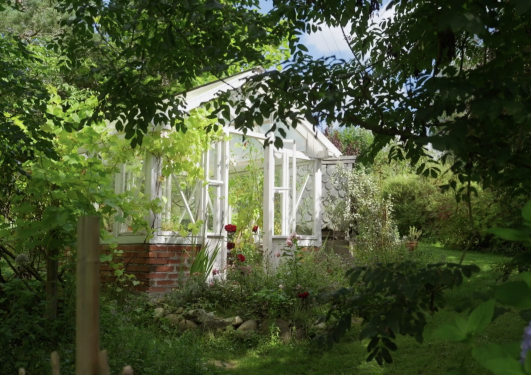
Norwegian gardens have gone from being full of fruits and berries to becoming flat lawns with trampolines and gas grills. “We have gardens that demand more, but give less back to nature,” says Professor Kyrre Kverndokk.

What can the humanities contribute with in our understanding ofthe climate crisis?

In mid-June, PhD candidate Emil Perron participated with a presentation at the 18th International Conference on Philosophical Practice, this time in Zagreb, Croatia.
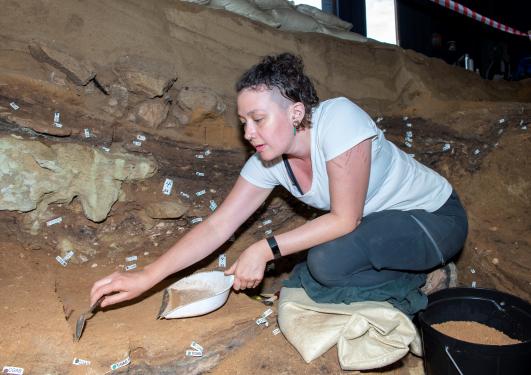
A new study from SapienCE reveals that early modern humans at Blombos Cave in South Africa used ochre as a specialized tool for stone toolmaking during the Middle Stone Age, demonstrating advanced technical skills far earlier than previously believed.

How did our ancestors learn to craft tools, control fire, paint on cave walls, and sail across vast oceans — and how were these skills passed down through generations?
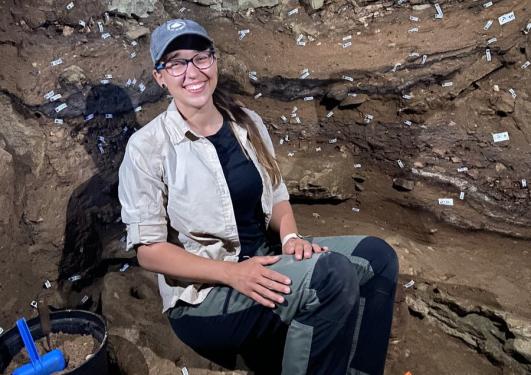
Her passion for archaeology was sparked the first time she witnessed an active archaeological dig. This spring, Asia Alsgaard supervised the SapienCE excavations at Klipdrift Cave during fieldwork in South Africa.
Sider
- juni 2026 (2)
- februar 2026 (3)
- desember 2025 (2)
- november 2025 (1)
- oktober 2025 (2)
- juli 2025 (3)
- juni 2025 (4)
- mai 2025 (1)
- mars 2025 (2)
- februar 2025 (2)
- januar 2025 (1)
- desember 2024 (2)
- november 2024 (4)
- oktober 2024 (2)
- september 2024 (4)
- august 2024 (2)
- juni 2024 (4)
- mai 2024 (2)
- april 2024 (5)
- februar 2024 (1)
- januar 2024 (4)
- desember 2023 (2)
- november 2023 (2)
- oktober 2023 (3)
- september 2023 (7)
- august 2023 (2)
- juni 2023 (8)
- mai 2023 (6)
- april 2023 (2)
- mars 2023 (1)
- februar 2023 (4)
- januar 2023 (1)
- november 2022 (6)
- oktober 2022 (1)
- september 2022 (5)
- august 2022 (1)
- juni 2022 (2)
- mai 2022 (2)
- april 2022 (2)
- mars 2022 (2)
- februar 2022 (3)
- januar 2022 (2)
- november 2021 (1)
- september 2021 (7)
- august 2021 (2)
- juli 2021 (1)
- juni 2021 (2)
- mai 2021 (2)
- april 2021 (4)
- mars 2021 (2)
- februar 2021 (3)
- januar 2021 (3)
- desember 2020 (1)
- november 2020 (1)
- oktober 2020 (1)
- september 2020 (2)
- august 2020 (2)
- juni 2020 (2)
- mai 2020 (1)
- april 2020 (3)
- mars 2020 (1)
- februar 2020 (1)
- januar 2020 (1)
- desember 2019 (2)
- november 2019 (5)
- oktober 2019 (2)
- september 2019 (5)
- august 2019 (1)
- juli 2019 (1)
- juni 2019 (1)
- mai 2019 (3)
- april 2019 (2)
- mars 2019 (1)
- februar 2019 (2)
- januar 2019 (1)
- desember 2018 (1)
- november 2018 (2)
- september 2018 (1)
- juni 2018 (2)
- mai 2018 (1)
- oktober 2017 (1)
- september 2017 (1)
- november 2016 (2)
- oktober 2016 (2)
- juni 2016 (1)
- mai 2016 (1)
- oktober 2015 (1)
- august 2015 (2)
- juli 2015 (1)
- juni 2015 (1)
- mai 2015 (2)
- april 2015 (1)
- januar 2015 (1)
- november 2014 (2)
- oktober 2014 (1)
- september 2014 (2)
- august 2014 (1)
- mai 2014 (1)
- mars 2014 (1)
- november 2013 (2)
- august 2013 (1)
- juni 2013 (1)