The War and Beyond: Perspectives on Ukrainian culture and society
Welcome to the University of Bergen and this interdisciplinary conference on Ukraine organized as part of the Ukrainett+ project.
Main content
Ukrainett+ aims to enhance Ukrainian-Norwegian research collaboration and advance Ukrainian studies in Norway, Ukraine, and internationally. The conference will bring together scholars from diverse disciplines to facilitate dialogue and exchange insights on key topics within Ukrainian history, culture and society.
The conference will feature two keynote lectures and five panel sessions with parallel presentations. The keynotes will be streamed and you find the links below. If you want to follow any of the parallel sessions, please register to get the links for the sessions.
The conference language is English.
The full programme with abstracts is available here. For an overview of each panel open the boxes below.
Programme
Tuesday, 14 October
09.00-10.00: Registration and coffee
10.00: Opening. Rector Margareth Hagen, H.E. Oleksiy Gavrysh, Ambassador of Ukraine to the Kingdom of Norway, Dean Sigrid Eskeland Schütz, Dean Camilla Brautaset (chair: Martin Paulsen)
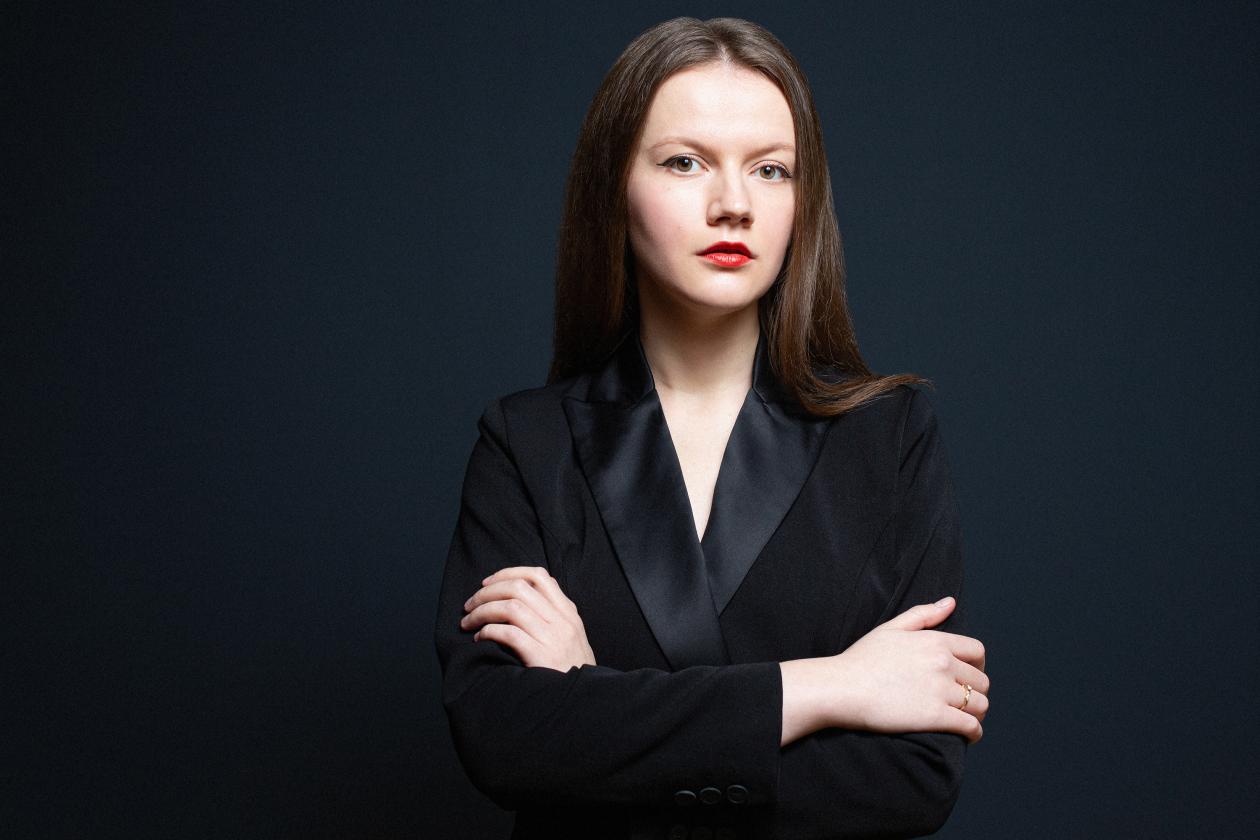
10.20–11.20: Keynote lecture: Bohdana Neborak: Culture Bridges in Europe and Ukrainian Literature During Wartime: Identity, Resistance, and Cultural Dialogue (chair: Martin Paulsen) . Link for streaming of the keynote lecture (no registration needed).
11.20–11.40: Coffee break
11.40–13.10: Parallel session 1
13.10–14.00: Lunch
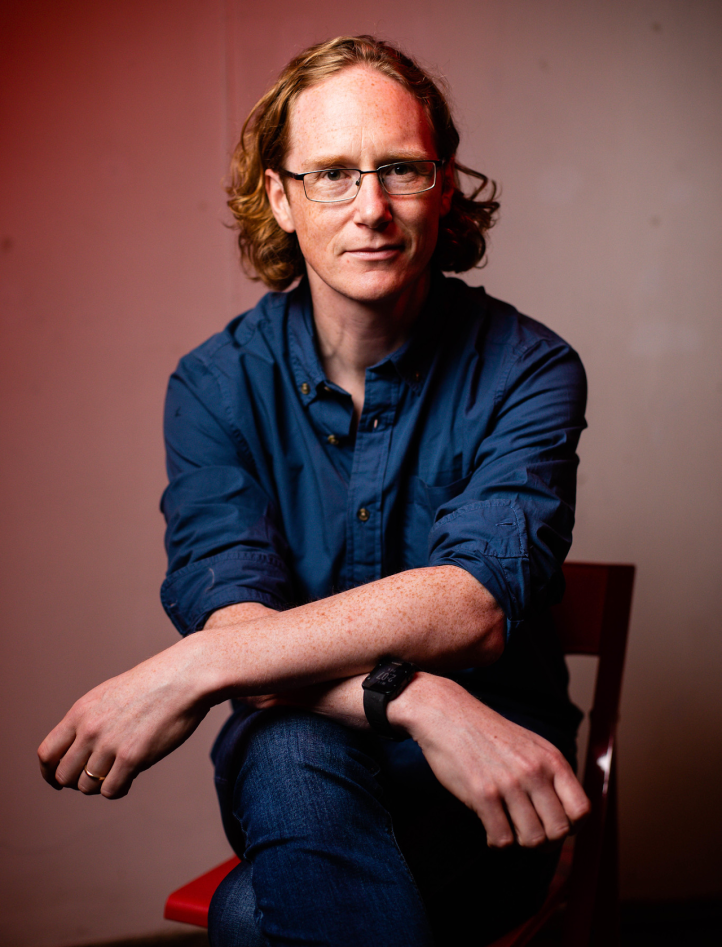
14.00–15.00: Keynote lecture: Uilleam Blacker: Living on the Edge: Ukraine, Overcoming Empire and Cultural Entanglements (chair: Ingunn Lunde) . Link for streaming of the keynote lecture (no registration needed).
15.00–15.15: Coffee break
15.15–16.45/17.15: Parallel session 2
19.00: Conference dinner (for conference delegates only)
Wednesday, 15 October
09.00–11.00: Parallel session 3
11.00–11.15: Coffee break
11.15–12.45: Parallel session 4
12.45–13.30: Lunch
13.30–15.00: Parallel session 5
15.00–15.15: Coffee break
15.15–16.00: Open slot (announcement of next conference ++)
19.00: Bergen House of Literature. Ukraine’s Cultural Diversity Through the Lens of Literature. Bohdana Neborak and Uilleam Blacker in conversation with Ingunn Lunde
Keynote lecture: Bohdana Neborak: Culture Bridges in Europe and Ukrainian Literature During Wartime: Identity, Resistance, and Cultural Dialogue
Ukrainian literature during the ongoing war has become a crucial medium for understanding and examining Ukrainian identity and the phenomenon of resistance to Russian aggression. Both within the country and abroad, literature creates a space for discussing and reflecting on contemporary realities. Literature and culture offer tools to comprehend the lives and experiences of individuals and communities we have never encountered, to interpret the past, and to envision the future.
In the 20th century, there were several surges of international interest in Ukrainian culture, closely tied to major geopolitical upheavals. Following the Revolution of Dignity and the onset of the Russian-Ukrainian war in 2014, Ukrainian culture gained greater visibility on the international stage, partly due to shifts in national cultural policy and Ukraine’s course toward European integration. After the full-scale invasion in 2022, new cultural connections between Ukraine and other European countries emerged, consolidating the collaborations of previous decades and opening space for new conversations.
The keynote lecture will explore these cultural connections and the grand narratives they have brought to light.
Bohdana Neborak is a journalist, curator of cultural projects and editor at “The Ukrainians Media”. With an MA in law, Bohdana has more than ten years of experience in creative industries, working as a journalist, culture manager, and curator in Ukrainian and international projects.Weber
In 2020, Bohdana drafted and launched the first state literary translation grant program at the Ukrainian Book Institute. She co-hosts a podcast about culture and colonialism and is a lecturer of a contemporary Ukrainian literature course at the Projector Institute. Bohdana is a co-curator at the FUNDAMENT literary festival and founder of the Kyiv Book Club reading promotion platform.
Bohdana was recognized by “30 Under 30: Most Prospective Young Journalists” in 2021, by the Heorhii Gongadze Prize and “30 Under 30 Kyiv Post” (award for the most innovative Ukrainians) in 2020. Her podcast about the influence of literature on civil society, “I Read That”, was recognized as one of the top 30 Ukrainian podcasts in 2021, and her podcast about colonialism, “Unnamed for Now”, won “The Best Ukrainian Podcast about culture” nomination award by “Slushno” (2022).
Parallel session 1 Tuesday 11.40–13.10
1S Language Policy, Social Capital and Perceptions among Ukrainian Young Leaders in a Ukraine at War (chair: Geir Flikke) | |
Olena Bogdan, Centre for East European and International Studies (ZOiS), Berlin / NASU Institute of Sociology, Kyiv | State Policy Conundrums at Times of War: Social Cohesion in a Linguistically Pluralistic Context |
Tetiana Kostiuchenko, Kyiv-Mohyla Academy (NaUKMa) / Osteuropa-Institut – Freie Universität Berlin | Social Capital in Ukraine During War: The Effect of Displacement and Income |
1A Imperial Legacies in Literature and Language Culture (chair: Iryna Odrekhivska) | |
Schamma Schahadat, Eberhard Karls University Tübingen | Imperial Traces in Ukrainian Literature |
Myroslav Shkandrij, University of Manitoba | Teaching Russian Literature Through an Awareness of Ukrainian History |
Ingunn Lunde, University of Bergen | «не було, немає й бути не може» – Russia’s Language Policies in Temporarily Occupied Ukrainian Territories in Historical Perspective |
1B Forced Migration: Integration and Aspirations of Return (chair: Olga Filippova) | |
Anna Yunatska, Faculty of Foreign Philology, Zaporizhzhia National University | Integration and Social Inclusion of Displaced Ukrainians in the UK: Language, Community, and Intercultural Awareness |
Marthe Handå Myhre, NIBR, OsloMet Oleksandra Deineko, NIBR, OsloMet / V.N. Karazin Kharkiv National University Olga Filippova, Karelian Institute, University of Eastern Finland / V.N. Karazin Kharkiv National University | Integration, Residence Status, and Aspirations of Return – The Perspective of Ukrainian Refugees in the Nordic Countries |
Aadne Aasland, NIBR – OsloMet Vilde Hernes, NIBR - OsloMet | Individual, Host- and Home Country Determinants for Return Aspirations Among Ukrainian Refugees in the Nordic Countries |
1C Upholding Justice and Trust in Institutions (chair: Anna Novosad) | |
Kateryna Shunevych, Ivan Franko National University of Lviv | Justice for Survivors of Conflict-Related Sexual Violence as a War Crime: Ukraine’s Experience Through the Prism of International Standards |
Marta Mazur, Ivan Franko National University of Lviv | Rebuilding Justice: The Role of Victim-Oriented Approaches in Shaping Post-War Legal Culture in Ukraine |
Solvita Harbaceviča, Supreme Court, Latvia (online) | Trust in Institutions, Trust in State – Case of Independent Judiciary |
1D Cultural, Historical, and Religious Diversity (chair: Olga Riabchenko) | |
Svitlana Arabadzhy, Mariupol State University / University of Oslo | Uprooted by Empire: The Forced Migration of Greeks and the Rise of the Port of Mariupol (1780–1859) |
Mykhailo Tupytsia, Ukrainian Catholic University | Book Collections and Religious Disciplining: The Mukachevo Eparchy in the 18th Century |
Keynote lecture: Uilleam Blacker: Living on the Edge: Ukraine, Overcoming Empire and Cultural Entanglements
Ukraine has, in its various incarnations over the centuries, always been on the edge and in-between. It has caught been between empires, nationalisms, and totalitarianisms. This position has often meant that Ukrainian culture not only existed in and across multiple political entities, but was also marginalised, denigrated, even violently attacked within them. Given this history of fragmentation and repression, it may seem challenging to create a coherent, linear history of Ukrainian culture. But is such a history necessary, or even desirable? This talk will interrogate Ukraine’s complex history not only as a source of difficulty, but as a catalyst for invention, experiment, resilience, and creative and sometimes confrontational engagement not only with the many other cultures that have intersected on the territory of Ukraine, but with global culture more broadly.
Dr Uilleam Blacker is Associate Professor of Ukrainian and East European Culture at the UCL School of Slavonic and East European studies and a translator of Ukrainian literature.
He is the author of Memory, the City and the Legacy of World War II in East Central Europe (2019), co-author of Remembering Katyn (2012) and co-editor of Memory and Theory in Eastern Europe (2013). He has written on Ukraine for The Guardian, The Atlantic, Financial Times, Times Literary Supplement and others, and his translations have appeared in The Guardian, The White Review, Words without Borders and others. He is currently writing a book on Ukraine’s rich, multilingual literary landscape in the 19th and 20th centuries. www.uilleamblacker.com
Parallel session 2 Tuesday 15.15–16.45/17.15
2S Shifting Political Landscapes (chair: Anne Pintsch) | |
Oleksandra Iwaniuk, University of Warsaw | War as Cultural Watershed: Cultural Transformations of Political Elites in Ukraine |
Andrew Wilson, University College London | Ukraine: Declining Domestic Political Technology, Russian Political Warfare |
Geir Flikke, University of Oslo Erik Herron, Professor West Virginia University Kryshtina Pelchar, West Virginia University Herschel Thomas, University of Texas, Austin | Voting Cohesion in the Servants of the People |
2A Literature, Dissent, and Cultural Belonging (chair: Natalia Volvach) | |
Yuliia Kulish, Independent Researcher | Life Writing and Dissent: Anti-Authoritarian Strategies in Ukrainian Literary Culture of the 1960s |
Anna Sverediuk, Ivan Franko National University of Lviv, Ukraine | Translating Shakespeare in Soviet Ukraine: Resistance Through Translation |
Olena Haleta, Ivan Franko National University of Lviv / Humboldt University of Berlin | Conceptualization and Collecting as Strategies of Cultural Belonging: The Case of Yur Mezhenko |
2B War and Society (chair: Madeleine Dungy, NTNU) | |
Volodymyr Kulikov, University College London (online) | Extractivism in Ukraine Under Imperial Rule |
| Tetiana Zabolotna, Institute of History of Ukraine of the National Academy of Sciences of Ukraine | Ukrainian Archival Sources in Studying the Fate of Ukrainian in Norway During World War II |
Hans Otto Frøland, NTNU | Forced Labour Displacement during WWII: Ukrainians in Norway and their postwar memorialization |
2C Education, Social Capital, and Recovery: Ukrainian Responses to War (chair: Kateryna Shunevych) | |
Iryna Soldatenko, V. N. Karazin Kharkiv National University Anna Markovska, Anglia Ruskin University Alessia Mevoli, Anglia Ruskin University Oleksii Serdiuk, Kharkiv National University of Internal Affairs | Resilience in Ukrainian Higher Education: Responding to the Challenges of War |
Anna Novosad, Charitable Organization “International Charitable Fund 'savED’” Olga Zhmurko, independent scholar | Three Years of Full-Scale War: Education and Social Capital |
Valentyna Zasadko, Ukrainian Catholic University | Community Recovery During War and Post-War Reconstruction: Lessons from Ukraine |
Iryna Fyschuk, University of Stavanger Thomas Michael Sattich, University of Stavanger | Sustainability and Digital Transformation: Building a Skilled Workforce for Post-War Green Reconstruction of Ukraine |
2D Literature and Memory (chair: Halyna Lystvak) | |
Olena Saikovska, Eberhard Karls Universität Tübingen | Memory Through Media: The Function of Photographs in Sofia Andrukhovych’s Novel Amadoka |
Olena Koliasa, Drohobych Ivan Franko State Pedagogical University, Odesa National Maritime University, Mariupol State University (Ukraine), Sydney University (Australia) (online) | Narrating Catastrophe: Ukrainian Disaster Fiction as Memory Culture and Identity Formation in Wartime |
Sebastian Graf, Lund University | Affective Encounters and Mnemonic Practices: Visiting Ukrainian Virtual Museums of War |
Serhii Pakhomenko, Mariupol State University / University of Latvia (online) | Decolonising Historical Memory in Ukraine: Challenges and Traps |
Parallel session 3 Wednesday 09.00–11.00
3A Shaping Ukrainian Identities in Literature and Education (chair: Olena Haleta) | |
Snizhana Zhygun, Borys Grinchenko Kyiv Metropolitan University / T. Shevchenko Institute of Literature of the Ukrainian National Academy of Sciences | Soviet vs National: Ukrainian Children’s Literature of the 1920s and ’30s |
Maryana Hirnyak, Ivan Franko National University of Lviv | Writing From Exile: The Intellectual’s Identity in Post-WWII Ukrainian Émigré Novels |
Oleksandr Starosta, Ternopil Volodymyr Hnatiuk National Pedagogical University | The Poet Against the Empire: Ukrainian-Russian Relations at the Turn of the 20th Century Through the Artistic Lens of Volodymyr Samiilenko |
3B Education, Trust, and Governance in Wartime Ukraine (chair: Aadne Aasland) | |
Veronika Vakulenko, Nord University Business School Anatoli Bourmistrov, Nord University Business School | Education Against a Black Economy |
Viktor Koziuk, West Ukrainian National University | Rising Army Donation Culture in Ukraine: Can the Structure of Social Trust Explain It? |
Tetiana Lukeria, Kyiv School of Economics Oleksandra Keudel, Kyiv School of Economics | Decentralization and Diversity: Lessons from Ukrainian Communities |
Olga Iermolenko, Nord University Business School Valeriia Melnyk, Nord University Business School | Control and Resilience in the Face of Aggression: Businesses’ Responses to Russia’s War in Ukraine |
3C Ukraine’s EU Accession (chair: Geir Flikke) | |
Alina Nychyk, Zurich University of Applied Sciences (online) | The New Era of Ukraine’s Foreign Policy Towards the EU |
Anne Pintsch, University of Agder | Ukraine's Accession to the European Union and International Socialisation |
Maryna Rabinovych, UiT Arctic University of Norway | (De)Europeanization Under War? The Case of Free Movement of Persons in EU-Ukraine Relations |
Oleksandr Dluhopolskyi, West Ukrainian National University | Ukraine’s EU Accession Process in the Context of Higher Education Reforms: Accreditation of Study Programs by NAQA During the War |
3D Multilingualism in Motion (chair: Lyudmyla Pidkuimukha) | |
Natalia Volvach, Stockholm University | Multilingualism, Vulnerability, and Trauma: Researching the Lived Experience of Language Among Ukrainians in Sweden in Times of the Unfolding Russian War |
Nataliya Tsisar, Humboldt University of Berlin | Ukrainian-Russian Bilingualism in a Multilingual Context: Language Ideologies Dynamics in Poland and Germany |
Sofiia Azovtseva, Ukrainian Catholic University | From Russian to Ukrainian: Overcoming Linguistic Interference in the Classroom |
Yuliya Dzyabko, Ibaraki Christian University | Lost in Translation: Multilingual Practices and Identity Construction Among Ukrainian Forced Migrants in Japan |
Parallel session 4 Wednesday 11.15-12.45
4A Wartime Literature: Forms and Functions (chair: Myroslav Shkandrij) | |
Iryna Odrekhivska, University College London / Ivan Franko University of Lviv | Wounded Landscapes, Wounded Words: Contemporary Ukrainian Wartime Poetry as a Force for Environmental and Epistemic Justice |
Halyna Lystvak, Lviv Polytechnic National University | Depicting the Russo-Ukrainian War: Visual Storytelling in Ukrainian Books |
Yuliia Kravchenko, National University Kyiv-Mohyla Academy | The Diary as an Artifact of Language and Culture During War (Contemporary Ukraine) |
4B Forced Migration: Pathways of Integration, Identity Formation, and Prospects of Return (chair: Marthe Handå Myhre) | |
Olga Filippova, Karelian Institute, UEF/ V.N. Karazin Kharkiv Unoversity Olga Davydova-Minguet, Karelian Institute, UEF | Ukrainian Forced Migrants and Finnish Memoryscapes: Revising the Past and Redefining Self-Identity |
Kristina Šliavaitė, Vilnius University | ‘Ukrainness’ and ‘Europeanness’ in the Narratives of Ukrainian Forced Migrants in Lithuania After the Full-Scale Russia's Invasion of Ukraine |
Jørn Holm-Hansen, Oslo Metropolitan University | Factors in Ukraine That Can Motivate Refugees to Return and Reintegrate |
4C Wartime Communities (chair: Olga Iermolenko) | |
Svitlana Romaniuk, University of Warsaw Magdalena Olpińska-Szkiełko, University of Warsaw Regina Pilipavičiūtė-Gugała, University of Warsaw | My Multilingual World – Drawings of Ukrainian War Refugee Children in Poland |
Dariia Orobchuk, University of Hildesheim | Double Burden or Double Chance? Refugee Children in Ukrainian Distance Education |
Maryna Nading, Luther College, USA | Weaving Peace, Weaving Victory: Camouflage Nets in Wartime Ukraine |
4D Riverscapes and Minoritarian Geography (chair: Svitlana Arabadzhy) | |
Alla Kurzenkova, Department of Archaeology, University of Glasgow (UK) | What Early Medieval Hillforts Along the Dnipro and Desna Rivers Tell Us About the Nature and Scale of the Scandinavian Presence |
Vera Skvirskaja, University of Copenhagen (online) | Minoritarian Geography: Jewish-Ukrainian Relations in the Context of the Russian War in Ukraine |
Parallel session 5 Wednesday 13.30-15.00
5A Resilience of Ukrainian Culture and Science During Russia’s Ongoing War against Ukraine (chair: Olha Voznyuk) | |
Liudmyla Pidkuimukha, National University of Kyiv-Mohyla Academy | Breaking with the Soviet Past: Expert Attitudes Towards Language Ideologies in Wartime Ukraine |
Nadiya Kiss, University of Erfurt (online) | Ukrainian Professors in Trenches: When Scholar at Risk is not a Metaphor |
Olha Voznyuk, Institute of Slavonic Studies of the Czech Academy of Sciences | Narrating War Trauma in Contemporary Ukrainian Literature |
5B The History and Future of International Scientific Collaboration (chair: Graham Clure) | |
Béla Kapossy, University of Lausanne (online) Anastasiia Shevchenko, University of Lausanne (online) | Mykhailo Drahomanov and Ukraine’s Intellectual Map of Europe
|
Ostap Sereda, Ukrainian Catholic University, L'viv / Bard College Berlin | The Invisible University for Ukraine
|
Viktoriya Sereda, VUIAS, Wissenschaftskolleg zu Berlin / Kyiv School of Economics | The Virtual Ukraine Institute for Advanced Studies
|
5C Mediation and Post-War Recovery (chair: Valentyna Zasadko) | |
Nataliia Mazaraki, State University of Trade and Economics
| A Shift in Justice: Changing Attitudes Toward Mediation in Wartime and Post-War Ukraine |
Tetiana Tsuvina, Yaroslav Mudryi National Law University
| Business, Rights, and Resolution: Advancing Mediation for Business and Human Rights Disputes in Ukraine |
Liudmyla Petrenko, Kyiv National Economic University named after Vadym Hetman (KNEU) | (Re)constructing Pharma Futures: Industrial Memory and EU Integration in Ukraine’s Post-War Recovery |
5D Russian/Soviet Imperial Continuity and the Politics of Annihilation: From the Holodomor to Russia-Ukraine War and the Battle of Memory (chair: Maryana Hirnyak)
| |
Olga Riabchenko, University of Cambridge
| The Weaponization of Art: How the Soviet Regime Used Artists to Cover Holodomor |
Tetiana Perga, Technical University of Berlin | The Kakhovka Dam in Soviet and Post-2023 Collective Memory of Ukrain |
Natalia Kuzovova, Kherson State University | Memory of the Holodomor and the Russian-Ukrainian War |
Tetiana Boriak, Vilnius University | Contemporary Cultural and Memory Politics in Russia: to Recall Victims, to Glorify the State or to Weaponize? |
Open public event at The House of Literature in Bergen: Ukraine’s Cultural Diversity Through the Lens of Literature
We invite you for an open public event at The House of Literature in Bergen on the 15th of October 19.00-20.00 where the two keynote speakers, Bohdana Neborak and Uilleam Blacker engage in a conversation on Ukraine’s Cultural Diversity Through the Lens of Literature moderated by Ingunn Lunde, UiB.
Adress: Østre Skostredet 5