Changes ahead for Global Health
The global health infrastructure is undergoing significant change, with dramatic cuts in aid and fragmented health services. At the same time, strong professional communities are emerging in Africa, with leaders ready to take the lead.

Main content
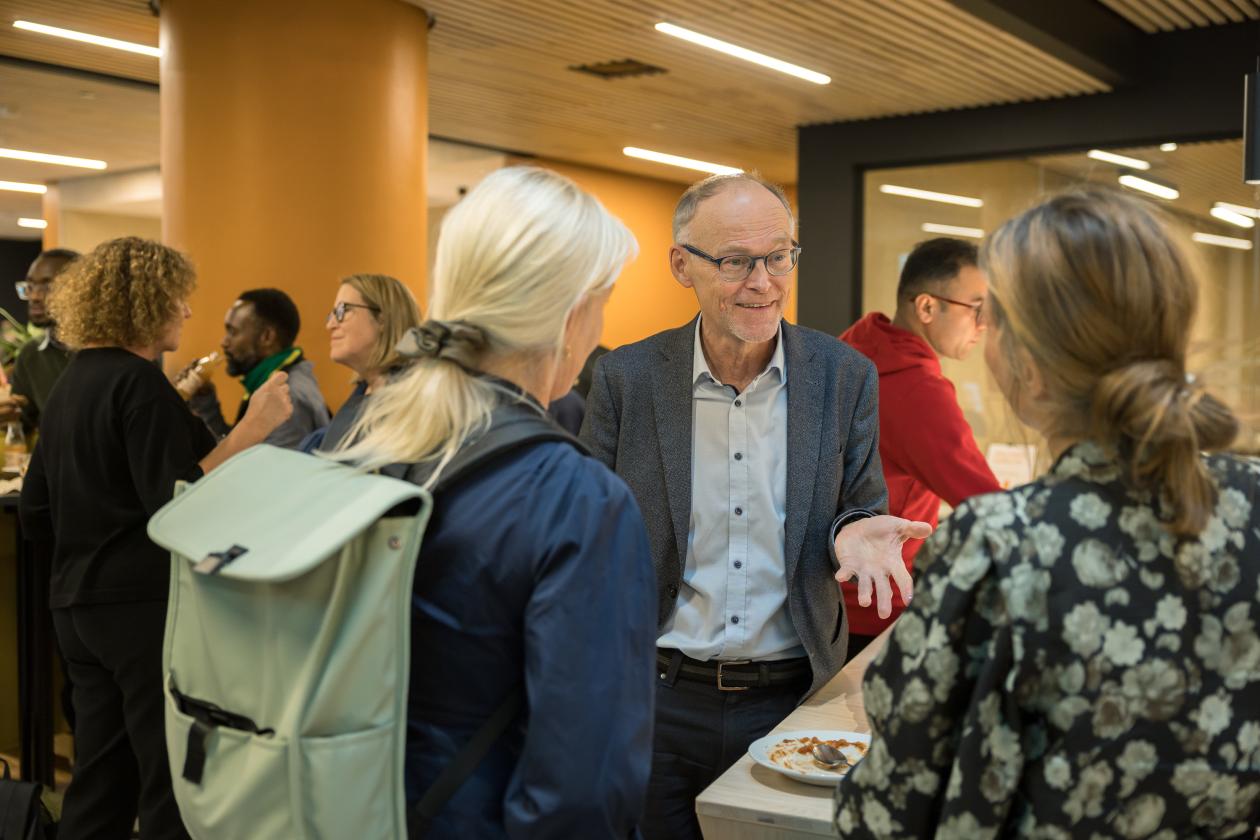
“We are in a period of change for global health, and that is actually positive,” says Frode Forland, Specialist Director for infectious diseases and global health at the Norwegian Institute of Public Health.
He sees this as a unique opportunity to rethink collaboration and organisation.
Cuts, fragmentation, and growing expertise
Forland just returned from more than two years working at Africa Centres for Disease Control and Prevention (Africa CDC) in Addis Ababa. He is in Bergen for the Global Health Norway conference to discuss changes in the global health infrastructure and points to three main drivers behind these changes:
“First, there are the dramatic cuts in aid, driven not least by the USA, but also by major European countries. Norway is soon the only country still contributing one percent of its GNI to aid.”
He also notes that global health efforts over time have fragmented national health systems rather than strengthening and making them sustainable.
“Large vertical funds have for many years directed efforts toward specific areas, which has not helped build comprehensive national systems. I believe this has created strong awareness in Africa of the need for change,” he says.
The third driver is the rise of local expertise in the sector, with health professionals and leaders ready to take responsibility and shape their own solutions.
“We now have leaders educated at the world’s best universities who best understand the culture and challenges in their own countries. We need to find ways to collaborate based on respect and equal partnerships.”
UiB has clearly worked long-term to build a strong environment for global health
Global initiatives
Figures presented at the conference show that while seven dollars are spent on health in the world’s poorest countries, Norway spends seven thousand dollars.
“If we really want to contribute, we must invest where each dollar has the greatest impact. And that is no longer in Norway. We are far up on the top of the investment curve, while Africa is on the steep part, where every dollar yields maximum benefit,” he says.
He emphasises that future collaboration must be based on equal partnerships, with the agenda set in the Global South and priorities reflecting local needs. He mentions initiatives such as the Lusaka Agenda, EU/INTPA, and the Sevilla Platform of Action.
“Priorities must reflect the needs of the countries we work with, not research calls in the North or priorities from Brussels.”
Strong environment for global health at UiB
Forland highlights the extensive work done at the University of Bergen, including the Bergen Centre for Ethics and Priority Setting in Health.
“I must say it has been a pleasure to meet many strong leaders, both at Africa CDC and in several African countries, who earned their PhDs or master’s degrees at UiB’s Centre for International Health. UiB has clearly worked long-term to build a strong environment for global health.”
He also mentions the Armauer Hansen Research Institute in Ethiopia as a prime example of the value of long-term collaboration. Norway has supported this institute for over fifty years. It is now Ethiopia’s most important biomedical research institute, with 400–500 employees developing new vaccines, among other things.
“We must remember that Norway makes up 0.1 percent of the world’s population. We cannot always assume that we have found the best solutions ourselves,” says Forland.
Global Health
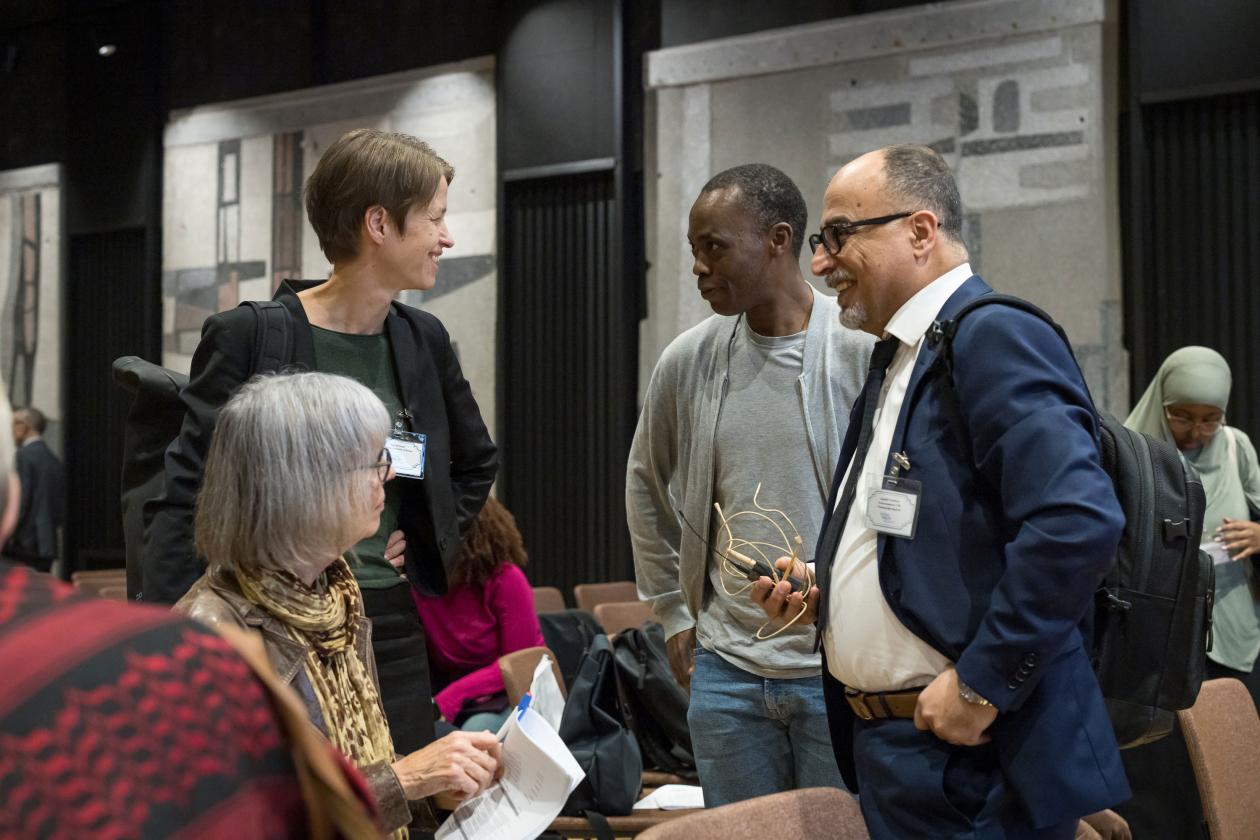
The annual Global Health Norway conference was organised by UiB's Centre for International Health 5-6 November 2025.
The conference brings together researchers, clincians and students from all over Norway.