The complexity and urgency of the challenges facing the world today call for new approaches and relationships in knowledge production.
Welcome to a joint symposium organized by the University of Bergen's BeeCaution project and the International Task Force on Systemic Pesticides.
In a recent editorial, UiB professor Jeroen van der Sluijs and co-editors encourage entomologists to join other scientists, legislators and policymakers in addressing and countering pollinator decline.
Out of 161 applications, SVT’s Centre of Actionable Knowledges (AcKnowledges) was one of 36 initiatives nationwide that made it to round two of the call.
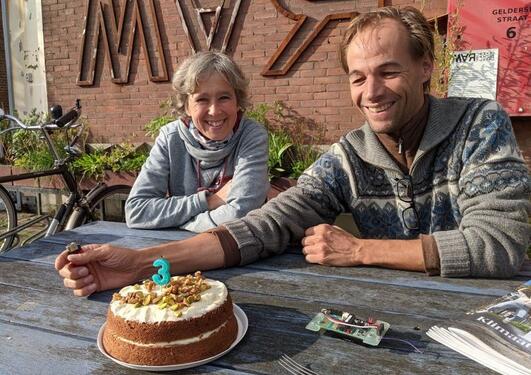
The project Meet je Stad (Measure your City), which has links to two UiB research projects, has been named the 3rd most sustainable Dutch initiative.
UiB researchers Scott Bremer and Diana Wildschut have together with Werner Krauss co-edited a special issue about narratives in the journal Climate Risk Management.
AFINO invites everyone who is interested to a webinar on Responsible Research and Innovation after the Covid-19 crisis.
Inspired by the Covid-19 pandemic, UiB researchers present five principles for model quality.
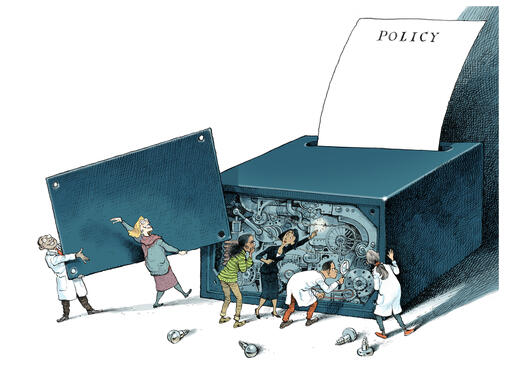
"Covid-19 has shown that we need a new debate about decision-making in crises when the scientific answers are not yet available."
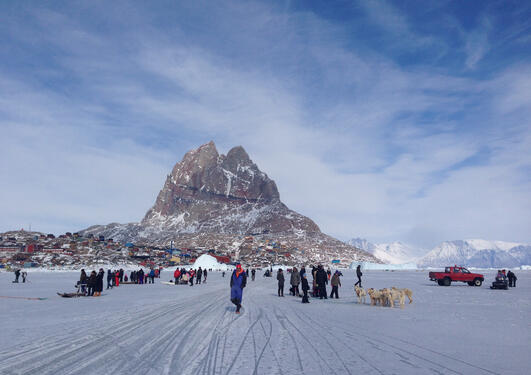
The SeMPER-Arctic project collects local stories of changes, crises and shocks in three Arctic communities in Greenland and Russia, and analyses in an interdisciplinary way how these narratives incorporate notions of resilience.
This project is an enquiry into the ability for climate change knowledge assessment to strengthen local communities through sensemaking.
RECIPES aims to reconcile innovation and precaution to foster social awareness and responsibility in the EU in research and innovation.
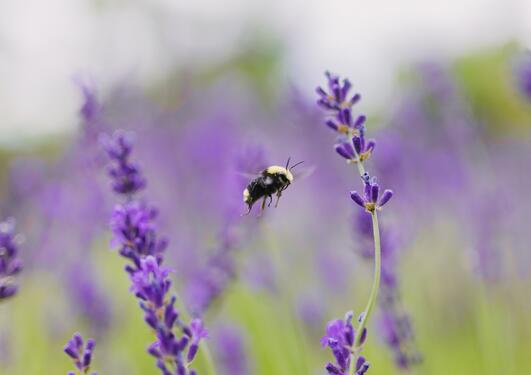
The aim of Beecaution is to build a Norwegian epistemic network of relevant actors to engage in the RECIPES discussion on Precaution and innovation, looking specifically at the case study on neonicotinoid pesticides and bees.
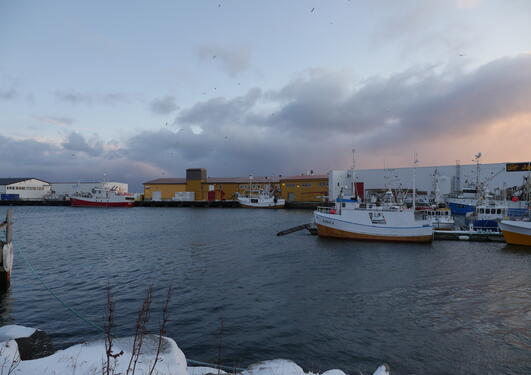
#LoVeSeSDG - Localizing the 2030 Agenda for Sustainable Development for the Barents Sea-Lofoten ecosystem in a changing climate - is a project that focuses on the Lofoten-Vesterålen-Senja (LoVeSe) region in Norway.
In honor of our new professor Jeroen van der Sluijs, the Centre for the Study of the Sciences and Humanities at the University of Bergen organized this mini-symposium 10-11 December 2014.
Co-Cli-Serv explores novel ways to transform climate science into action-oriented place-based climate services to engage, enable and empower local communities, knowledge brokers and scientists to act locally.
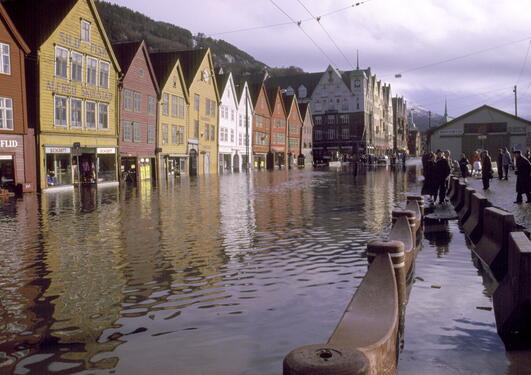
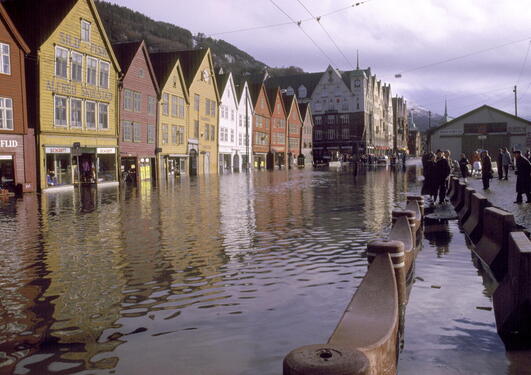
There is a lot of concern about climate change and the effects it has on the world. But what does it mean for Bergen?
MNF990 is a mandatory PhD-level course for research fellows with the Faculty of Science and Technology
The EPINET project reviewed and evaluated assessment methods, commonly used to address societal impacts of new and emerging S&Ts.
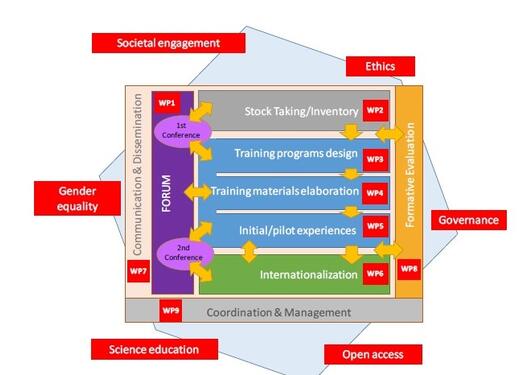
HEIRRI aimed to integrate the concept of “Responsible Research and Innovation” (RRI) into the science and engineering degrees; mainly focusing on universities and other higher education institutions (HEI).
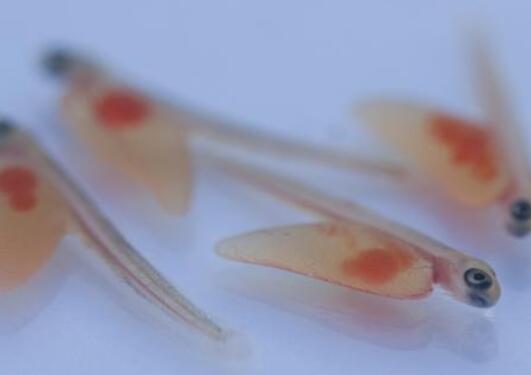
Researchers at SVT contributed to the ELSA part of the project 'Salmonsterile', which aimed to use information from the salmon genome in order to develop vaccines that can make farmed salmon sterile.
This project was financed by the Peder Sather Grant and was a cooperation between the Centre for the Study of the Sciences and the Humanities, NTNU and UC Berkeley.
This project focused on the uncertainty connected to petroleum-related activities and whether or not these should be allowed in the valuable and vulnerable Lofoten in Northern Norway.