Can the global living plant collections of botanic gardens conserve threatened species?
Botanic gardens should prioritise research and conservation of threatened species show two major papers published in 2025/2026

Hovedinnhold
Two papers led from the University of Cambridge, coauthored by researchers at the University Museum, and published in the prestigious Nature journals ‘Nature Ecology and Evolution’ and ‘Nature Plants’ provide an overview of the current state of living plant collections worldwide, and a vision for a future in which these collections work together to fuel research and preserve biodiversity.
UM’s University Gardens are amongst the around 3,500 botanic gardens worldwide that hold documented living plants for the education of visiting public and students, for scientific research, and for the conservation of biodiversity.
Published in January this year, Cano et al. (2025) analysed data documenting the acquisition and loss of plants from botanic gardens over the last hundred years. Despite an increasingly urgent need to conserve threatened plants, growth in both numbers and diversity of botanic gardens collections has stalled – and may even be in decline. Individual plants have limited lifespans (the data shows a median of roughly 15 years), and the numbers that gardens are maintaining and replenishing peaked in 2008. More positively, they showed that coordinated efforts can nevertheless increase the quality of collections:
By acting as a global ‘metacollection’, the botanic gardens community can conserve long term a much greater diversity of the highest priority species.
This despite the challenges facing gardens, such as of working with declining resources and complying with increasingly restrictive international regulations.
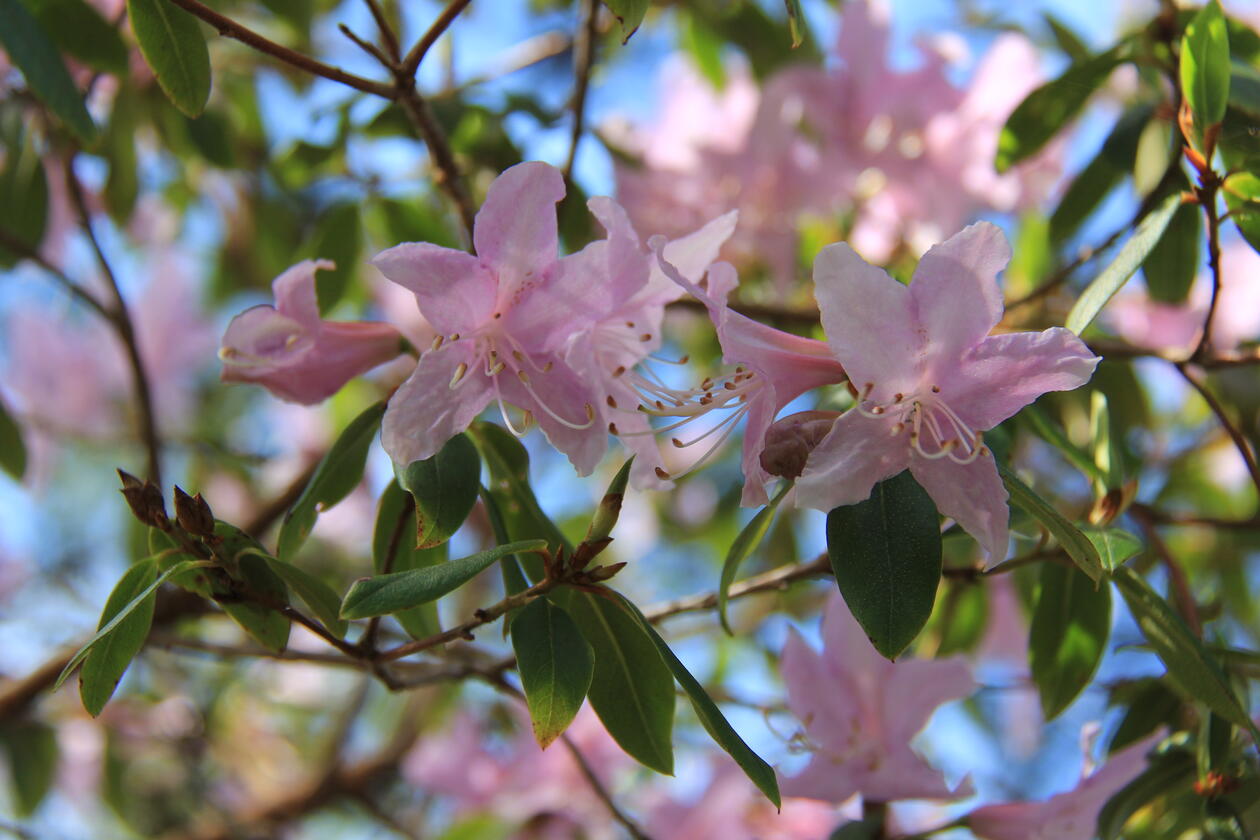
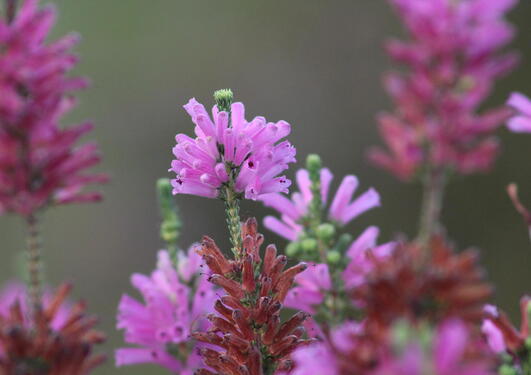
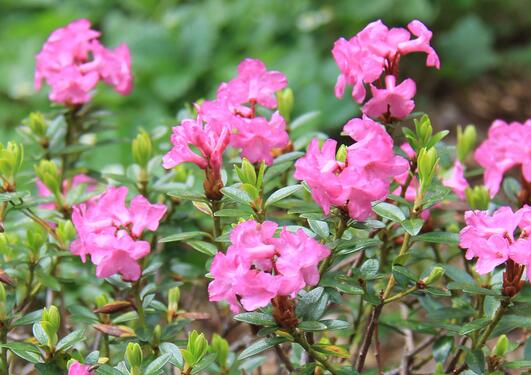
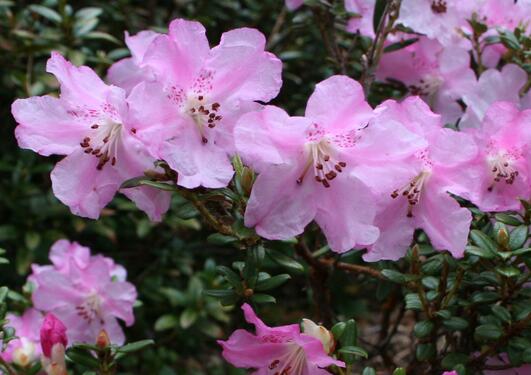
An example of positive developments is the work of Botanic Gardens Conservation International (BGCI)’s ‘Global Conservation Consortia’ (GCCs), in which UiB is closely involved. Specialist networks such as the GCCs for conifers, for Sorbus, and for Rhododendron, for which the University Gardens are a safe site, and GCC Erica, which is coordinated at UiB, can ensure that a greater diversity of threatened species are distributed effectively across gardens.
Published this week, a perspective paper by Brockington et al. (2025) highlights the importance of data standards for these initiatives. Each of the staggering 100,000 plus plant species in botanic gardens (around 30% of land plant diversity) is represented by individual plants with their own histories. These may have been obtained directly from the wild, via exchange from other gardens, or from cultivated stock, but those of known wild origin are particularly important: this is genetic diversity that has not been selected or hybridised in horticulture and which can therefore be used in a full range of research and – when necessary – to reintroduce populations in the wild. To coordinate action we need high quality, open, and directly comparable data. As it stands, the global community does not yet achieve the necessary standards.
We at the University Gardens are already working to resolve this situation, through international collaboration and the GCCs; through our research feeding into open data repositories such as the World Flora Online; and through our regional networks of Nordic botanic gardens and arboreta. With our partners we are working towards the effective collaborative metacollections that are essential for understanding and addressing the global impacts of biodiversity loss.
The University Gardens are open to the public year-round, free of charge. You can support our work through an inspiring visit to the University Museum and by joining the friends’ association.
- Cano, Á. et al. (2025) Insights from a century of data reveal global trends in ex situ living plant collections. Nature Ecology & Evolution: 1–11. https://doi.org/10.1038/s41559-024-02633-z
- Brockington, S.F. et al. (2026) High-performance living plant collections require a globally integrated data ecosystem to meet twenty-first-century challenges. Nature Plants: Jan 2026. https://doi.org/10.1038/s41477-025-02192-6