Archiving and making data available
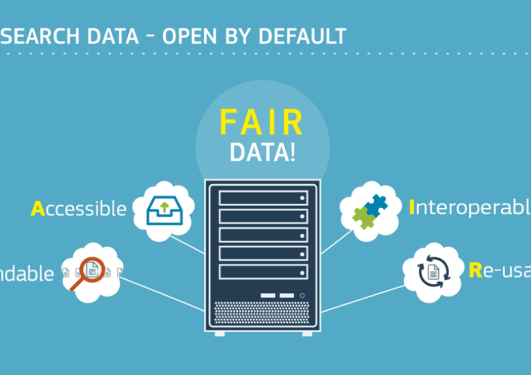
Research data should be shared "as openly as possible, as closed as necessary", and in accordance with the FAIR principles of findability, accessibility, interoperability and reusability.

Main content
Publishing research data and associated metadata in a research archive ensures long-term preservation and reusability. Research data should be made available no later than upon publication of the scientific article.
Subject-specific archives:
As a general rule, you should choose a subject-specific archive to make your research data visible and accessible.
re3data.org is the largest and most comprehensive registry of available data archives.
Sensitive data:
If you have data that cannot be shared openly without restrictions, you should still archive it for reasons of reproducibility and reuse.
- Sikt archives and makes digital data available free of charge to research communities in Norway and abroad, within social sciences, humanities, environmental and development research and parts of medical and health research: https://sikt.no/en/archiving-research-data
- The Federated European Genome-phenome Archive (FEGA) is a distributed service for long-term archiving and sharing of all types of personally identifiable genetic and phenotypic data originating from biomedical research projects: https://ega.elixir.no
Generic data:
For non-sensitive research data that does not fit into subject-specific archives, or other related datasets (the so-called "long tail" of research data), the University of Bergen offers the open archive platform DataverseNO . Researchers sharing datasets on this platform will receive guidance from the University Library during the archiving process.
If you have large amounts of data, NIRD Research Data Archive (Sigma2) may be an alternative.