The modern world is a specialised world, but there is a strong movement to bring together different ways of knowing to better inform societal action on grand challenges, such as global environmental change.
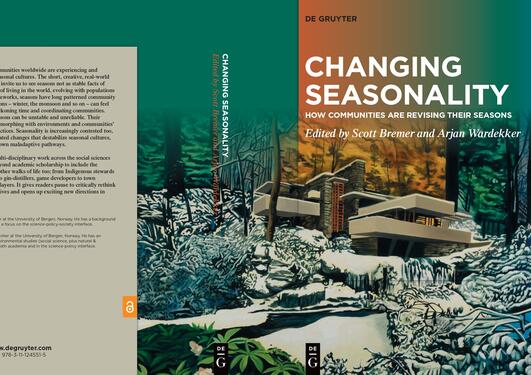
A rich and accessible new book from University of Bergen researchers and collaborators asks readers from all backgrounds to rethink what seasons mean to them.
What opportunities are there for early-stage researchers at UiB wanting to go abroad? Why is it valuable to know other researchers from around the world – and how do you find them? In this course we will provide you with valuable insight into the how and why of gaining international experiences and...
As the CALENDARS project comes to an end in early 2024, we organised a two-day public symposium at the Arboretum to discuss the findings of the project.
The complexity and urgency of the challenges facing the world today call for new approaches and relationships in knowledge production.
Bergen Arboretet’s gardeners and scientists sat together in a workshop in November 2022 to settle on a set of shared seasonal reference points.
Welcome to a guest lecture by Professor Sierd Cloetingh: Perspectives on European cooperation in science, innovation and policy advice.
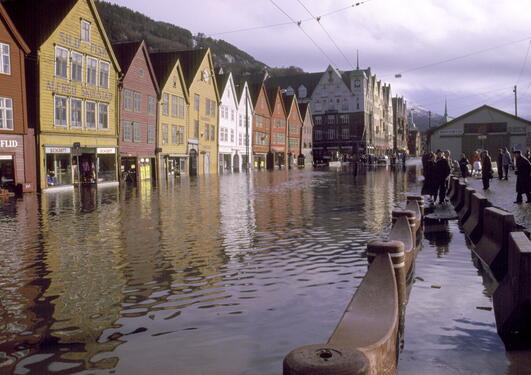
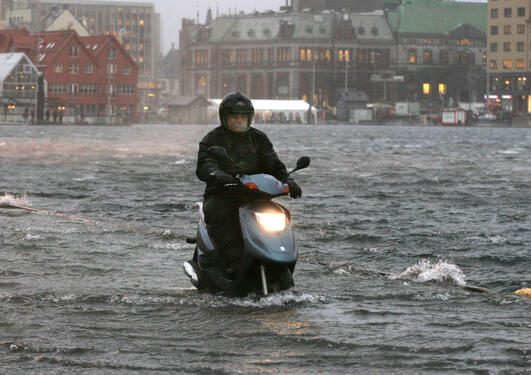
CANALS explores how a community adapts to global warming when there is an increase in extreme weather events (such as heavy rainfall) due to climate change.
Today was my fifth Friday working at the Arboretum, assisting the gardeners and learning about the seasonal rhythms of their work.
Take on the transformative challenges of our time together with motivated students from around Europe in the new course "Facing Grand Challenges: A European research program"
UiB researchers Scott Bremer and Diana Wildschut have together with Werner Krauss co-edited a special issue about narratives in the journal Climate Risk Management.
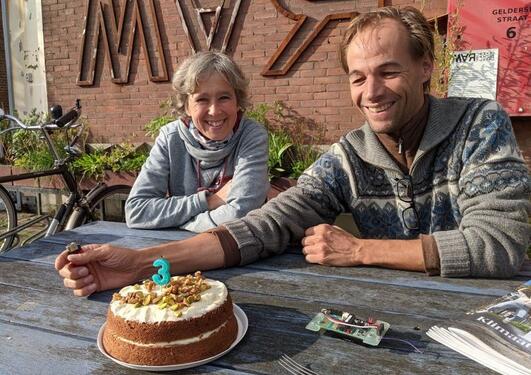
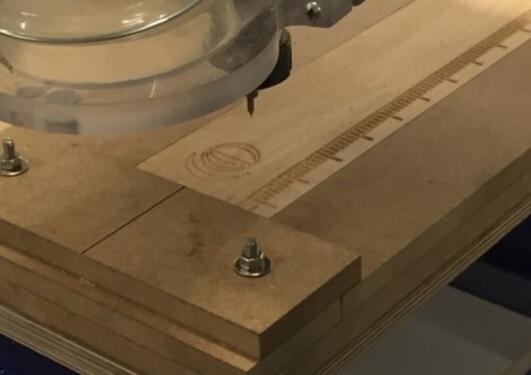
The project Meet je Stad (Measure your City), which has links to two UiB research projects, has been named the 3rd most sustainable Dutch initiative.
How can we live by the rhythms of the seasons, when these rhythms seem to be changing quickly? Scott Bremer is looking at how rapid seasonal changes are affecting institutions in society and how we can re-learn and adapt to seasonal change in new ways.
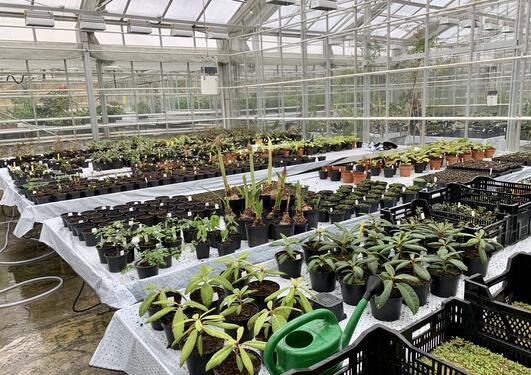
The CALENDARS project aims to explore how the gardens adapt to changes in seasonality.
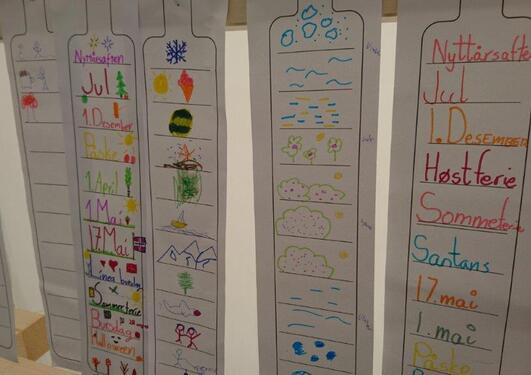
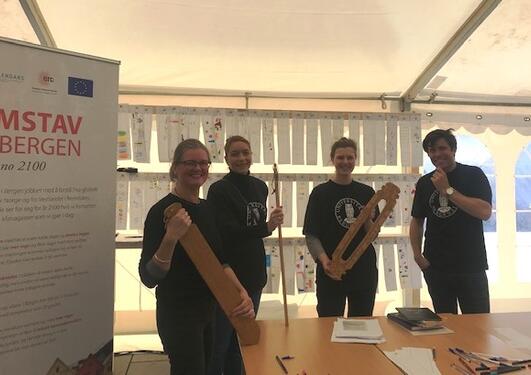
As part of our local communication and engagement work, we developed a creative exercise centered on the traditional Norwegian calendar stick, the primstav.
The CALENDARS team had a stand at the National Science Week expo (Forskningstorget) in Bergen in September.
Erik Kolstad and Scott Bremer organise training in transdisciplinary climate adaptation research for early career researchers.
Co-Cli-Serv explores novel ways to transform climate science into action-oriented place-based climate services to engage, enable and empower local communities, knowledge brokers and scientists to act locally.
SVT organized the SAMKUL funded network Understanding Cultural Conditions for Climate Change Adaption (UC4A)
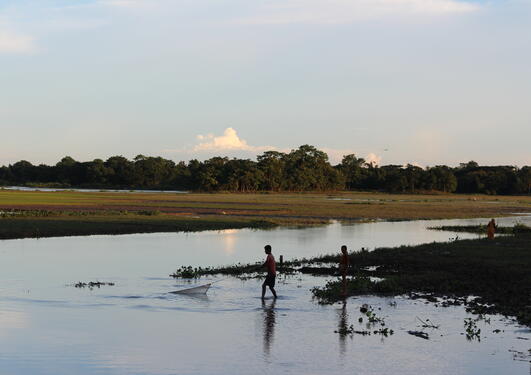
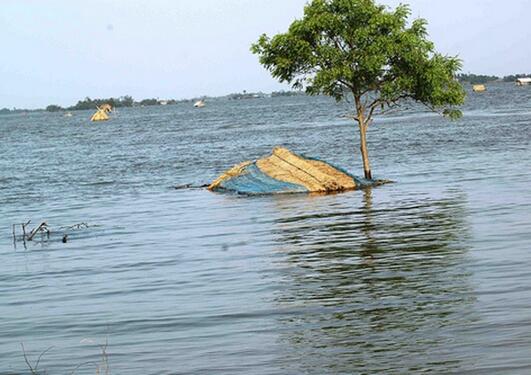
Bangladesh is one of the most vulnerable countries in the world to climate change. Scientists from UiB have worked together with communities around Sylhet, in northeast Bangladesh, in search of new ways for understanding and adapting to the climate.
This EU-funded project, in which UiB was partner, proposed to establish an evidence-based framework to support current stakeholder dialogues organised by a third party certifier.
PEGASUS was an EU-funded project on genetically modified animals of which UiB was a partner.
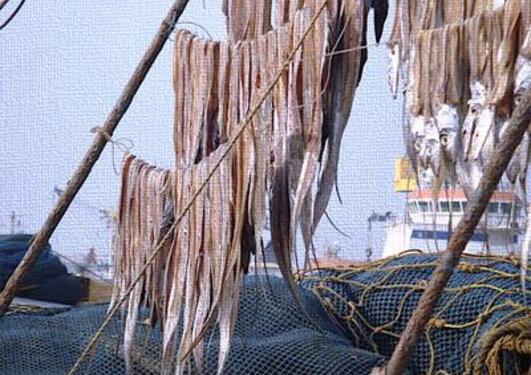
This projects sought to contribute to the issue of the ethical status of global fisheries and aquaculture, and thus it was based on the introductory question of how ethical our seafood is, or what it would mean to claim that it is ethical.
During their agricultural season, the farmers of Mali highly rely on timely rainfall. A new collaboration project adapts the weather service yr.no for the rainy season in Mali.
The course “Climate Imaginaries: Feminist and Queer Perspectives on Thinking Climate Change” offers an interdisciplinary investigation of how we imagine climate change in contemporary times.
LINGCLIM arranges a multidisciplinary conference on climate change