
Nyhetsarkiv for Institutt for biovitenskap (BIO)

The annual Bergen Summer Research School brings together 65 young scholars from 29 countries around the world. What unites them is a shared focus on this year’s theme: Ocean Expectations.
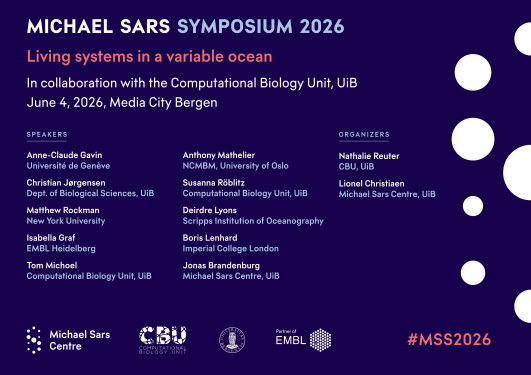
Join us on June 4, 2026 at Media City Bergen for a day of exceptional talks. This year's event is co-organized by the Michael Sars Centre and the Computational Biology Unit at UiB, and will focus on 'Living systems in a variable ocean'.

Morgane Alizee Kerdoncuff successfully defended her doctoral thesis on 23 January 2026, titled: ‘Marking the landscape’ – Ecological assessment of small-scale grazing systems in the fjord region of the Nordhordland UNESCO Biosphere Reserve
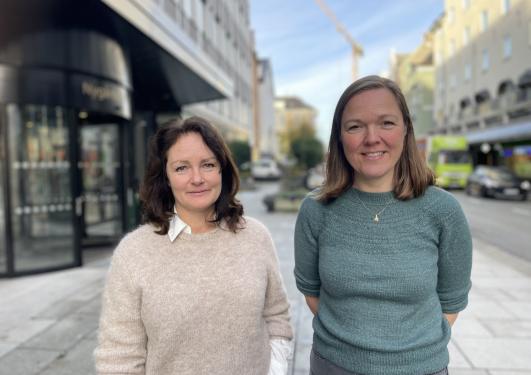
Sea lice and bacterial diseases are among the biggest challenges in Norwegian aquaculture. Now, two researchers at the University of Bergen have received funding from the Research Council of Norway to develop new knowledge that can improve fish health and strengthen sustainability in the industry.
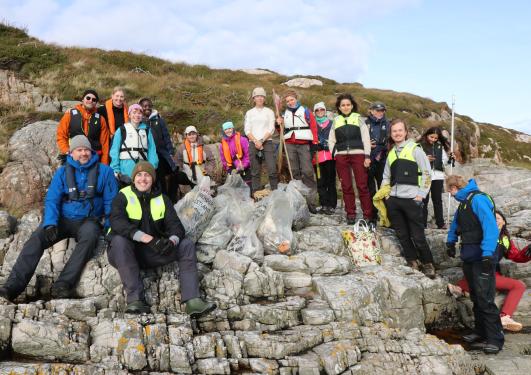
On September 25th, the University of Bergen (UiB) organized a coastal cleanup for students and staff. As last year, the destination was Lisle Lyngøy, often referred to as “Plastic Island” off the coast of Hellesøy. The day was filled with strong impressions — and some good news for the island’s ecosystem.

A new report has just been launched highlighting how to accelerate the Kunming-Montreal Global Biodiversity Framework through a network of sites working for sustainability and nature conservation.
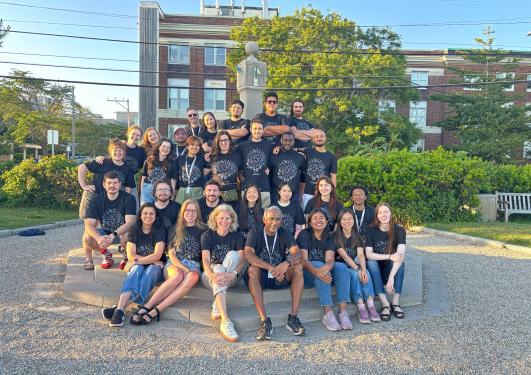
This summer, PhD candidate Max Jordi Makem Pekouankouang from the Christiaen group at the Michael Sars Centre attended the prestigious Embryology course at the Marine Biological Laboratory in Woods Hole, USA. He shares how this experience transformed his approach to science.
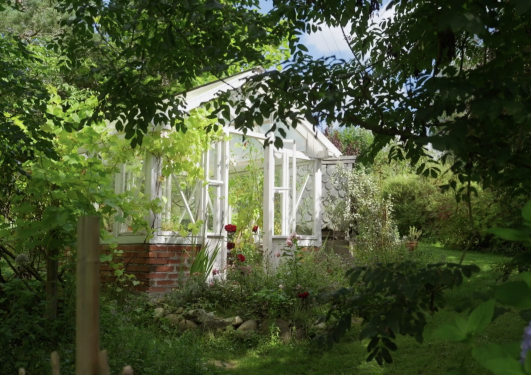
Norwegian gardens have gone from being full of fruits and berries to becoming flat lawns with trampolines and gas grills. “We have gardens that demand more, but give less back to nature,” says Professor Kyrre Kverndokk.
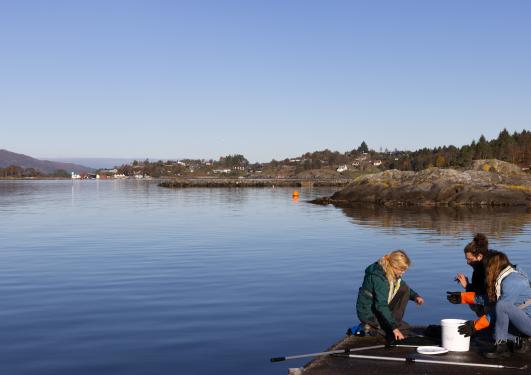
The Michael Sars Centre is launching a Visitors Program designed to foster scientific exchange and collaborations across disciplines.
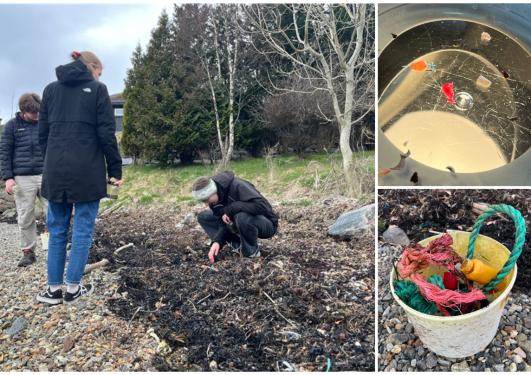
On April 8–9, 2025, our team had the pleasure of organizing and participating in a hands-on student workshop on microplastics, hosted at the Espeland Marine Biological Station. Nestled by the coast just a short trip from Bergen, this site provided a perfect setting for students from the BIO316 course to immerse themselves in a critical issue facing our oceans: microplastic pollution.

UNESCO Chair Inger Måren peer reviewed recent UNESCO report on how UNESCO sites can be utilized in education for sustainable development.

The University of Bergen (UiB) will host another seven international research fellows after a very successful application round in this year’s competition for MSCA funding from the EU. The grants will fund the researchers' stay at UiB for two years.

Rogue or freak waves (monster waves) are exceptionally large waves that can suddenly loom into existence, seemingly from nowhere. Are these waves truly different from ordinary storm waves, or are they just what you should expect to see if you wait long enough?

The UNESCO Chair project BECOME, is one of the initiatives mentioned in the newly published UNESCO report “The Earth Network: sharing tools for biodiversity conservation and sustainable development in UNESCO-designated sites”, where they present a toolkit of practices that support both the 2030 Agenda and UNESCO-designated sites.

Join us on June 6, 2025 at Media City Bergen for a day of exceptional talks. This year, our invited speakers will explore the theme: "Decoding signals and unveiling architectures, from molecules to organisms".
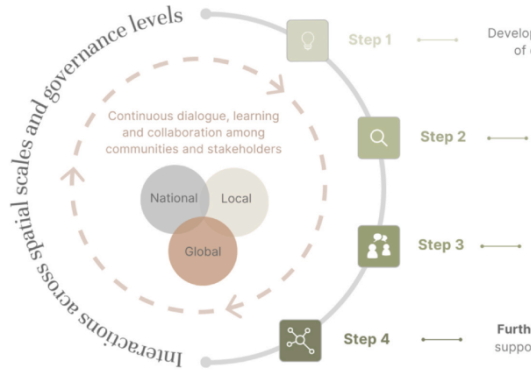
The CULTIVATE project recently had its first paper published in Current Opinion in Environmental Sustainability. In this paper, the authors present a novel
transdisciplinary learning framework that links notions of cultural heritage, landscape, and social-ecological systems thinking to support sustainable rural development.
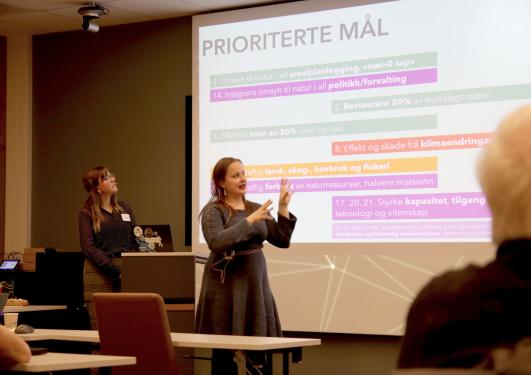
In December, the BIOSPHERE project group held a dialogue meeting about the Global Biodiversity Framework goals with stakeholders from the Nordhordland municipalities as the finally of the resilience assessment that has been taking place this autumn.
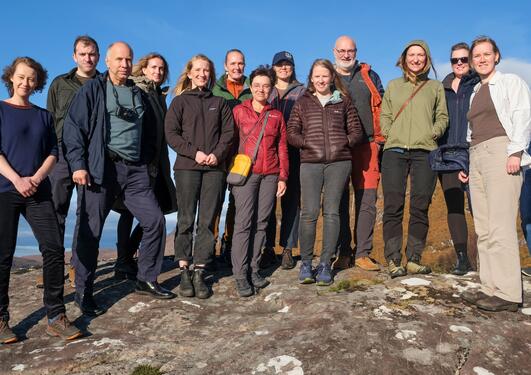
After 3,5 years, the CULTIVATE project is coming to an end. During the first week of November, members of the UNESCO Chair Group met the other project partners for a final event in Edinburgh hosted by the Centre for Mountain Studies at the University of Highlands and Islands, followed by a last project meeting, and a tour of Wester Ross Biosphere Reserve.
Sider
- juni 2026 (1)
- februar 2026 (2)
- november 2025 (1)
- september 2025 (3)
- juli 2025 (1)
- juni 2025 (1)
- april 2025 (1)
- mars 2025 (1)
- februar 2025 (3)
- januar 2025 (2)
- desember 2024 (1)
- november 2024 (2)
- oktober 2024 (2)
- september 2024 (3)
- august 2024 (6)
- juli 2024 (1)
- juni 2024 (4)
- mai 2024 (2)
- april 2024 (4)
- mars 2024 (3)
- februar 2024 (6)
- januar 2024 (3)
- desember 2023 (3)
- november 2023 (3)
- oktober 2023 (3)
- september 2023 (6)
- august 2023 (4)
- juli 2023 (1)
- juni 2023 (2)
- mai 2023 (3)
- april 2023 (1)
- mars 2023 (2)
- februar 2023 (5)
- desember 2022 (1)
- november 2022 (1)
- oktober 2022 (1)
- september 2022 (2)
- juli 2022 (3)
- juni 2022 (1)
- april 2022 (2)
- mars 2022 (1)
- februar 2022 (4)
- oktober 2021 (1)
- september 2021 (1)
- juni 2021 (3)
- mai 2021 (2)
- mars 2021 (1)
- februar 2021 (1)
- januar 2021 (1)
- oktober 2020 (1)
- september 2020 (1)
- juli 2020 (1)
- april 2020 (1)
- februar 2020 (1)
- desember 2019 (1)
- november 2019 (2)
- juni 2019 (2)
- mai 2019 (2)
- mars 2019 (1)
- februar 2019 (3)
- desember 2018 (3)
- november 2018 (3)
- oktober 2018 (2)
- mai 2018 (2)
- november 2017 (1)
- oktober 2017 (1)
- september 2017 (1)
- mai 2017 (1)
- mars 2017 (1)
- desember 2016 (1)
- november 2016 (1)
- september 2016 (1)
- april 2016 (1)
- februar 2016 (6)
- januar 2016 (3)
- desember 2015 (7)
- september 2015 (2)
- august 2015 (2)
- juli 2015 (1)
- juni 2015 (1)
- mai 2015 (1)
- april 2015 (1)
- mars 2015 (1)
- februar 2015 (4)
- januar 2015 (1)
- desember 2014 (1)
- oktober 2014 (1)
- september 2014 (5)
- juli 2014 (1)
- juni 2014 (1)
- mai 2014 (3)
- februar 2014 (2)
- januar 2014 (2)
- november 2013 (1)
- oktober 2013 (2)
- september 2013 (4)
- august 2013 (2)
- juli 2013 (1)
- juni 2013 (1)
- mai 2013 (4)
- april 2013 (3)
- mars 2013 (1)
- februar 2013 (1)
- januar 2013 (1)
- oktober 2012 (1)
- september 2012 (2)
- august 2012 (1)
- juli 2012 (2)
- juni 2012 (2)
- januar 2012 (2)
- desember 2011 (1)
- november 2011 (1)
- september 2011 (2)
- januar 2011 (1)
- september 2010 (3)
- august 2010 (2)
- mai 2010 (1)
- februar 2010 (1)
- januar 2010 (3)
- desember 2009 (1)
- august 2009 (1)
- juni 2009 (1)
- mai 2009 (3)
- januar 2009 (1)