
News archive for Department of Archaeology, History, Cultural Studies and Religion
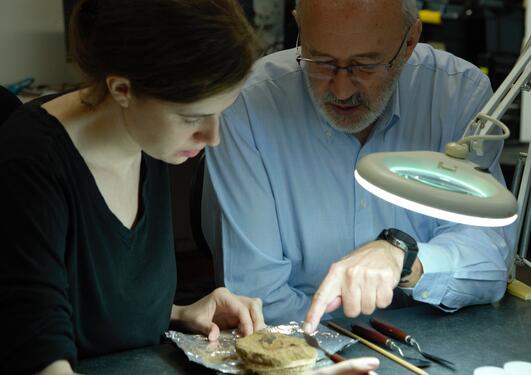
SapienCE scientist Francesco d’Errico is ranked as number 1 in Social Sciences and Humanities in Norway by Research.com.

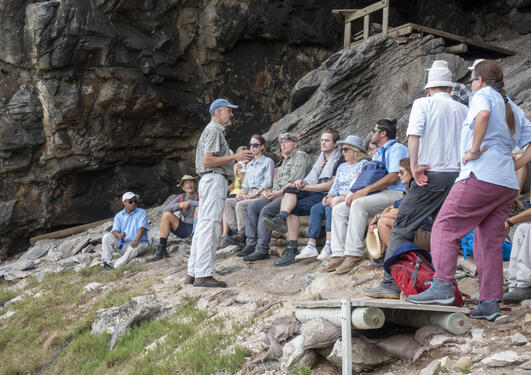
The Origins of Early Southern Sapiens Behaviour exhibition is launched at Cape Point, South Africa. The exhibition showcases remarkable discoveries from SapienCE main excavation sites augmented by Sea Change Project contribution.
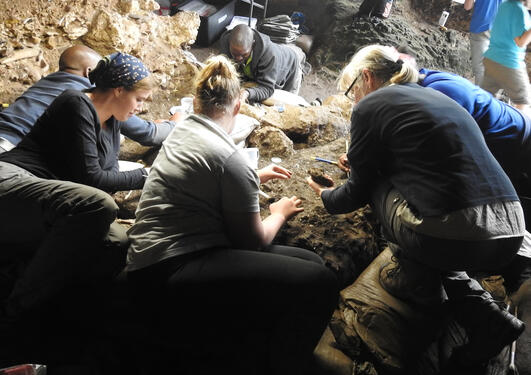
The SapienCE Annual Report of 2022 is available to download. The new report provides a summary of everything our team of world-leading scientists has achieved from the start of the Centre in 2017 until today. Come share our journey with us!
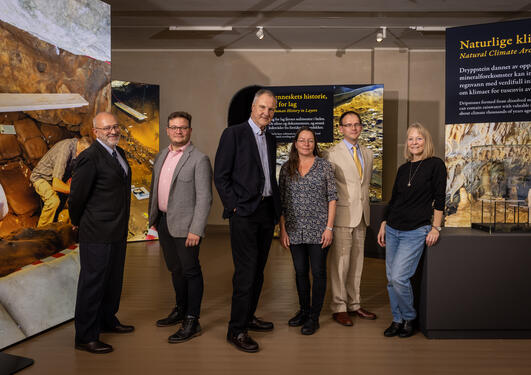
The SapienCE Early Human Behaviour Exhibition offers a unique opportunity to explore fascinating discoveries and insights into the behaviours of our early, shared, ancestors.
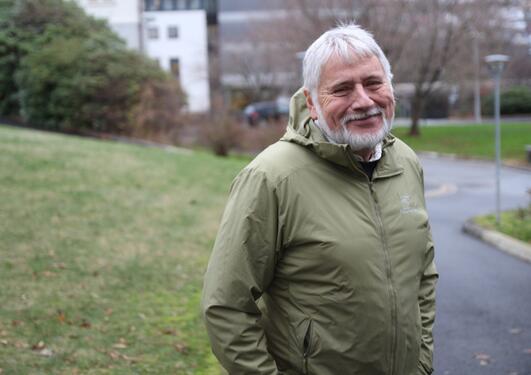
Eystein Jansen has played a vital role in the Centre since its foundation. Jansen's work has focused on exploring the ways that climate reconstruction can benefit archaeology to increase our understanding of how and when Homo sapiens evolved into who we are today.
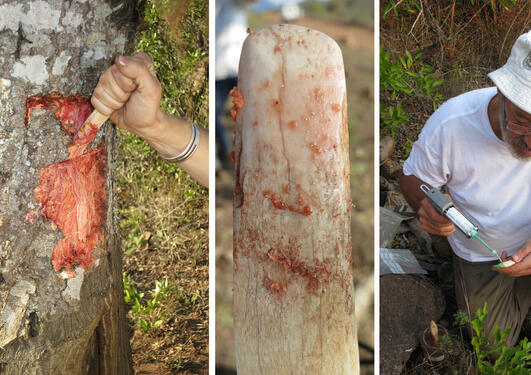
An international team of archaeologists, led by a UiB scientist, has identified the oldest bone tools from southern Africa. The tools are 60,000 to 80,000 years old and were likely used for debarking trees and to dig into the ground.
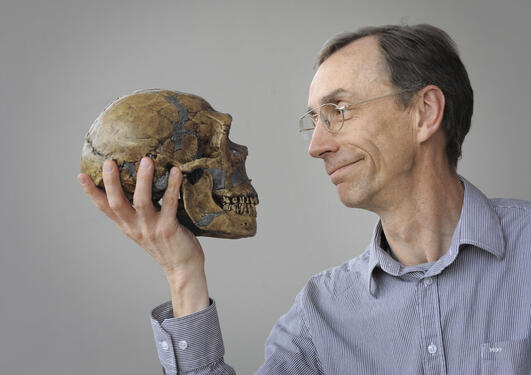
Svante Pääbo has been awarded the 2022 Nobel Prize in Physiology or Medicine. "Warm congratulations to Svante Pääbo. We are extremely proud of our collaboration with the new laureate", says SapienCE-director Professor Christopher Henshilwood at the University of Bergen.
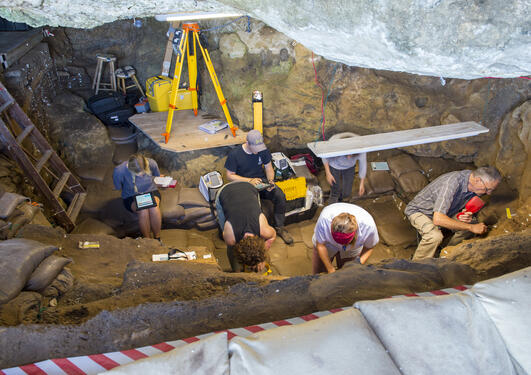
The SapienCE paper about a trapped artefact became the top ten most downloaded articles in the journal Geoarchaeology this year. The study demonstrates how the creative use of unconventional research methods turned an unfortunate archaeological sampling event into a scientific success story.
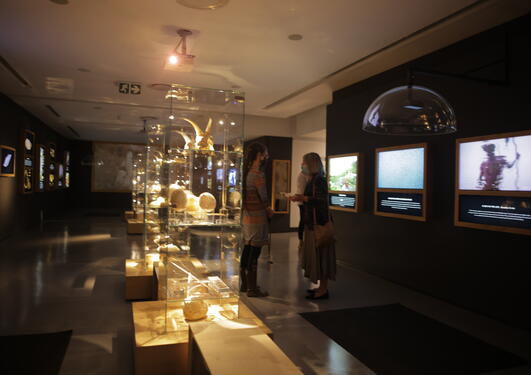
The SapienCE annual report for 2021 is now available with an insight to our exciting projects and activities which have taken place throughout the calendar year.
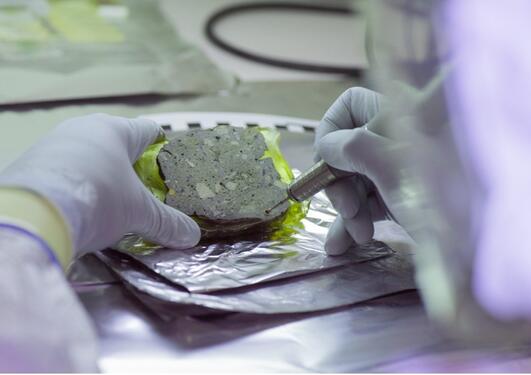
Cutting-edge technology makes it possible for scientists to retrieve DNA recovered decades ago. An international team of researchers, including scientists from SapienCE, were able to isolate ancient DNA from blocks of sediment embedded in plastic resin commonly used for micromorphological analyses.

What can society and global organizations do better to stop right-wing extremist radicalization and terrorist content online?

One of the earliest forms of symbolic behaviour is the use of ochre. A new SapienCE project will explore how iron-rich rocks shaped the lives of early modern humans along the coast of South Africa.
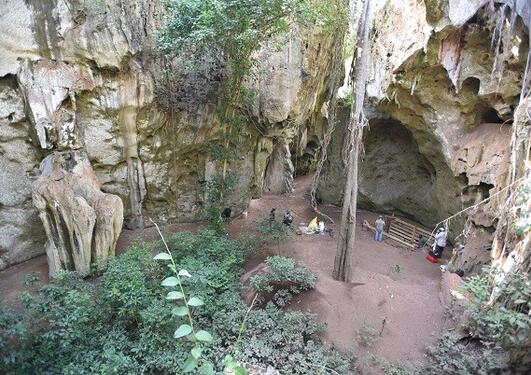
The earliest human burial in Africa has been discovered at an archaeological site near Mombasa. Excavations revealed the body of a three-year-old child, deliberately buried around 78,000 years old.

The 2020 SapienCE Annual report is now published. The report presents stories, field reports and articles based on a selection of scientific publications issued throughout the year.
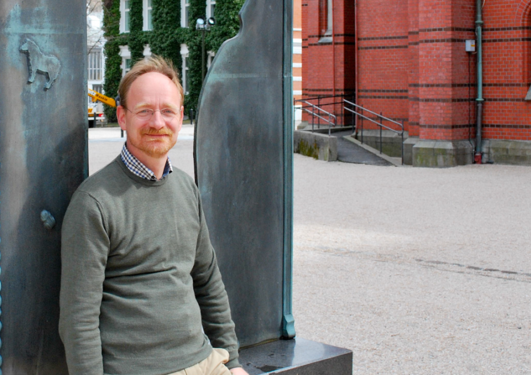
Religious minorities can challenge societal consensus on how people should lead their lives. How much difference are societies and states willing to allow for? A brand-new online master’s program aims to improve our knowledge about religious minorities around the world.

Over the past decade, China has emerged as a large actor on the African continent – primarily through trade, investment and as provider of development finance. But China is increasingly also playing a more direct political role.
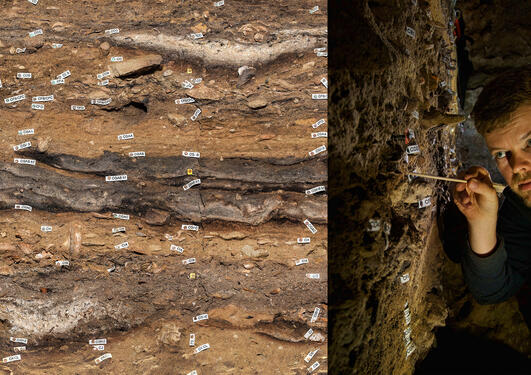
New type of analysis show for the first time how people who lived between 100,000 and 70,000 years ago organised their campsites and settlements. The results can explain why these people developed the ability to make jewellery and objects of art.
The hominin line shares most of its genetic makeup and a great deal of its behavioral repertoire with its closest primate relatives. At some point in the past, however, it set off on a different evolutionary trajectory, culminating in cognitive skills that are impressive both in extent and in the speed at which they have evolved. One goal of SapienCE is to shed light on when this process began... Read more
Pages
- February 2026 (1)
- October 2025 (1)
- July 2025 (1)
- June 2025 (2)
- May 2025 (1)
- January 2025 (1)
- December 2024 (3)
- October 2024 (1)
- September 2024 (1)
- May 2024 (1)
- February 2024 (1)
- January 2024 (1)
- October 2023 (1)
- September 2023 (2)
- August 2023 (1)
- June 2023 (2)
- May 2023 (1)
- March 2023 (1)
- November 2022 (1)
- October 2022 (1)
- August 2022 (1)
- May 2022 (1)
- February 2022 (1)
- August 2021 (1)
- June 2021 (1)
- May 2021 (1)
- April 2021 (1)
- March 2021 (2)
- February 2021 (1)
- September 2020 (1)
- August 2020 (1)
- April 2020 (2)
- March 2020 (1)
- February 2020 (1)
- January 2020 (1)
- December 2019 (1)
- November 2019 (1)
- May 2019 (1)
- February 2019 (1)
- December 2018 (1)
- November 2018 (2)
- September 2018 (1)
- April 2018 (1)
- March 2018 (1)
- February 2018 (1)
- October 2017 (1)
- September 2017 (1)
- October 2016 (2)
- February 2015 (1)
- August 2014 (1)
- November 2013 (1)
- October 2013 (1)