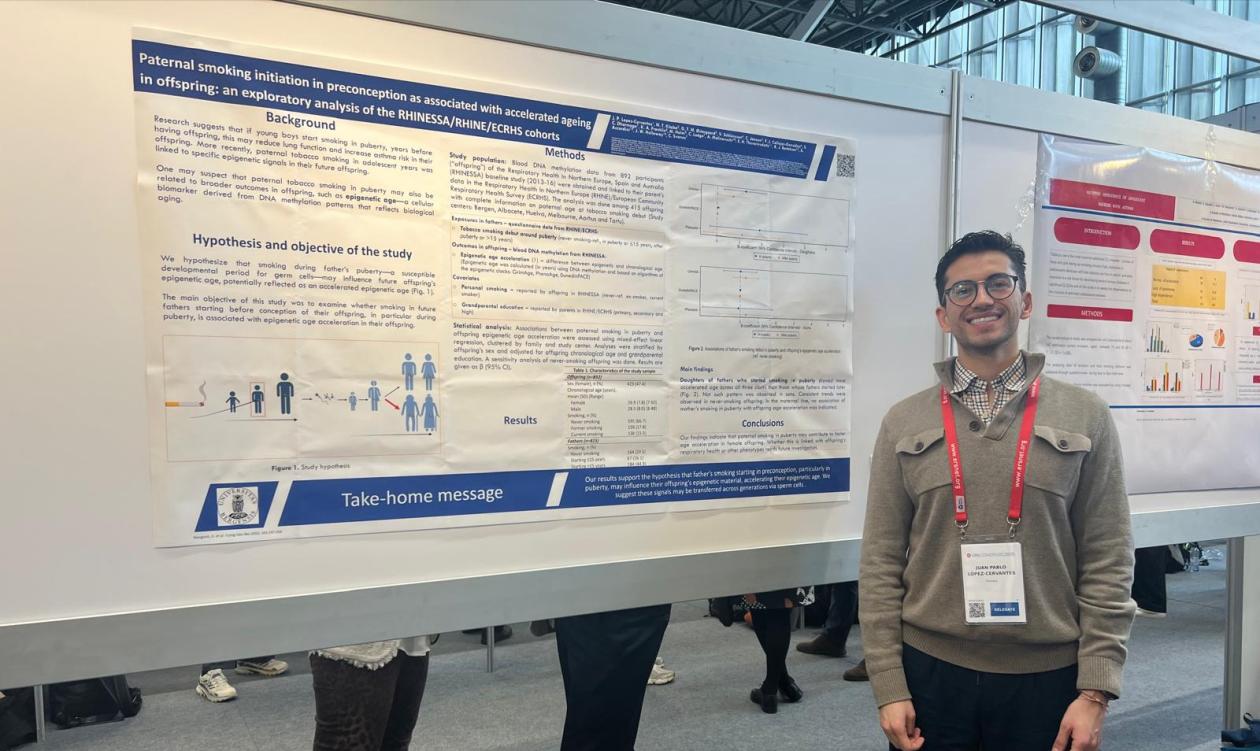
Faster Aging if the Father Smoked During Puberty
A new study from the University of Bergen (UiB) shows that smoking among young men during puberty may affect how the aging process develops in their future children.

Main content
Previous research from UiB has shown that smoking among young men during their puberty years can harm the health of any children they may have later. Now, a brand-new study from the Department of Global Public Health and Primary Care at UiB shows that a father’s smoking may also influence aging in future children.
The findings were presented at the European Respiratory Society (ERS) Congress in Amsterdam, Netherlands.
Faster aging associated with cancer and dementia
The researchers found signs of accelerated biological aging—compared with chronological age—in individuals whose fathers began smoking at age 15 or younger.
The study estimates that smoking during puberty may cause damage to boys’ developing sperm cells, which can then be passed on to their children.
“This increase in biological aging is important because it has been linked to a higher risk of diseases such as cancer, arthritis, and dementia in previous research. Our results suggest that boys who smoke during puberty may unknowingly harm the children they later have,” says doctoral fellow Juan Pablo López Cervantes at UiB. He led the study together with an international research team.
The researchers analyzed blood samples and used questionnaires from 892 participants aged 7–52 years, with an average age of 28. All were participants in the RHINESSA studies, which examine lung health across multiple generations over time. Parents and their adult children were asked about smoking and, if applicable, how old they were when they started.
Their blood samples were analyzed for epigenetic changes, and the researchers then used three different biological aging scores.
Important findings about fathers’ health
They found that the biological age of individuals whose fathers started smoking during puberty was on average about nine months to one year older than their chronological age. If the individuals themselves smoked, this gap increased to 14–16 months.
“Although this research is still in its early stages, we believe our findings are important both for understanding the significance of fathers’ health and for young boys who smoke or use other types of nicotine products. Stronger efforts to prevent tobacco use during adolescence should be a priority for policymakers. Such measures may benefit not only current generations but also future generations,” López Cervantes concludes.
Reference: https://ers.app.box.com/s/5n2z9du9w7y9ud7kp9v5cv4tujnciows
See also ERS press release: People may age faster if their dad smoked during puberty