
News archive for Global Challenges
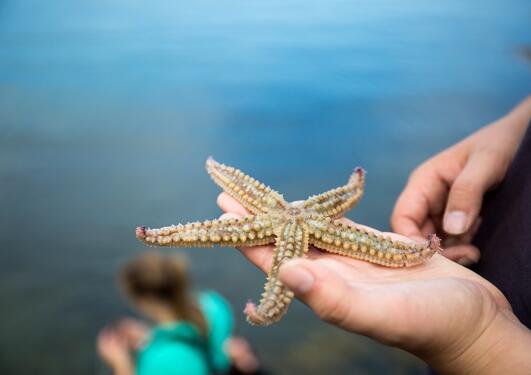
In October 2018 the University of Bergen was given a lead role on SDG14, Life below water, by United Nations Academic Impact. Now the university has been asked to present a four-part series for inspiration on ocean research and education. The UN distributes the series globally.
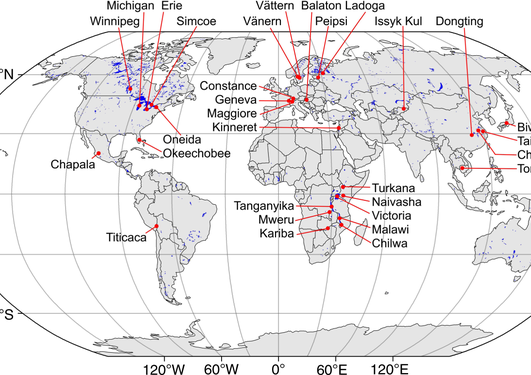
How do climate and land-use changes influence fish catch in lakes? That has been at the centre of a major international study which urges policymakers to increase funding for land and water management to create a more sustainable fisheries industry.
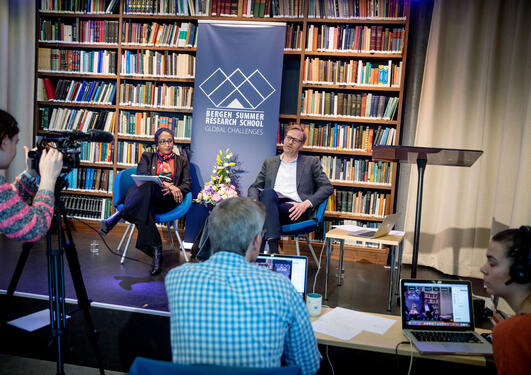
Bergen Summer Research School opened 8 June with a record number of participants. Together with some of Bergen's best research milieus, they will explore how their research can contribute to solving global challenges. This year they meet online - watch the many public lectures on YouTube.
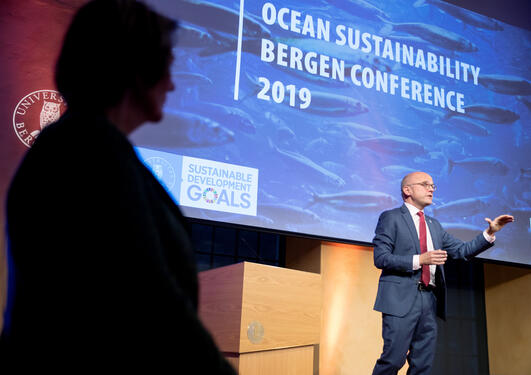
The University of Bergen is on track with the deliverables promised in SDG Action 28818, which has now been updated to include further deliverables towards the 2030 Agenda.

Chr. Michelsen Institute and the University of Bergen have a long-standing agreement to strengthen development-related research in Bergen. We now invite applications for collaboration between our two institutions. Deadline 20 June, 2020.
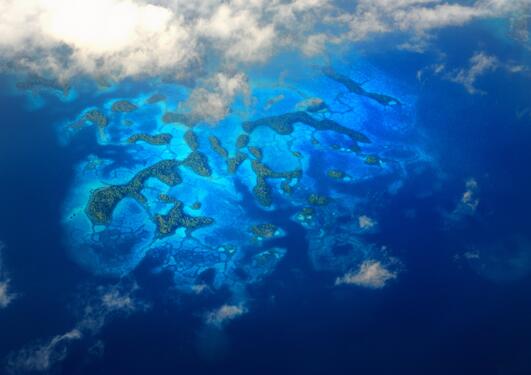
The new Norway-Pacific Ocean-Climate Scholarship Programme builds on long-term collaboration between two ocean and climate oriented universities, which includes a voluntary commitment at the inaugural UN Ocean Conference.
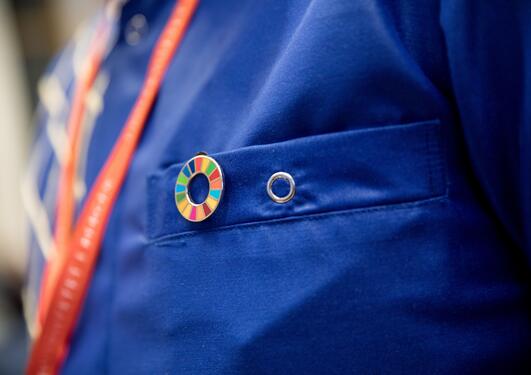
For the second year running the University of Bergen is ranked in the top 100 THE University Impact Rankings. The rankings are based on how oriented a university is towards the Sustainable Development Goals (SDGs) and social responsibility.

The research programme GRIP has launched a series of interviews on global inequality as a response to the ongoing COVID-19 pandemic.
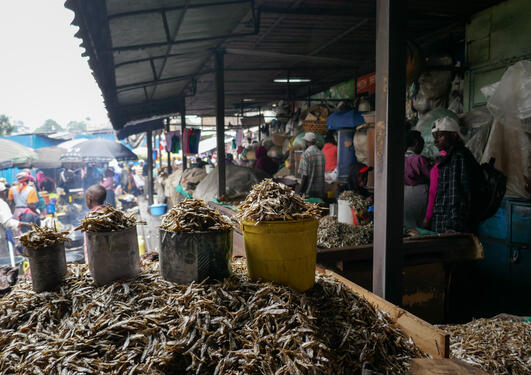
In the world today, malnutrition is a bigger problem than hunger. Researchers hope that a small freshwater fish may prove to be packed with important micronutrients.
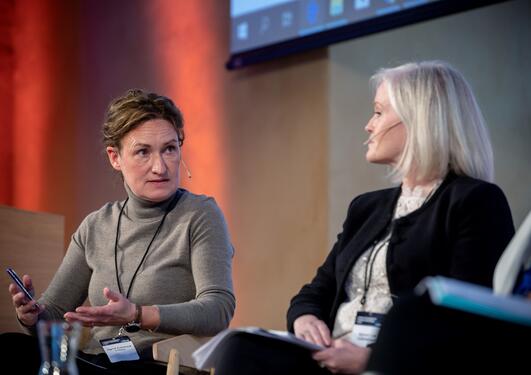
In a meeting on biological diversity on the high seas, scientists and other actors gave valuable advice to representatives from Norway’s Ministry of Foreign Affairs before final negotiations on regulation of natural resources outside of national jurisdiction.

In a special workshop during the SDG Conference Bergen a group of leading international researchers presented their visions for improving science advice to decision-makers.
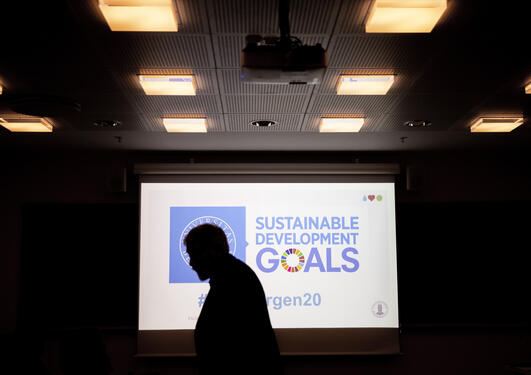
The SDG Bergen Policy Briefs series was presented to researchers gathered for a workshop on science diplomacy at the 2020 SDG Conference Bergen.
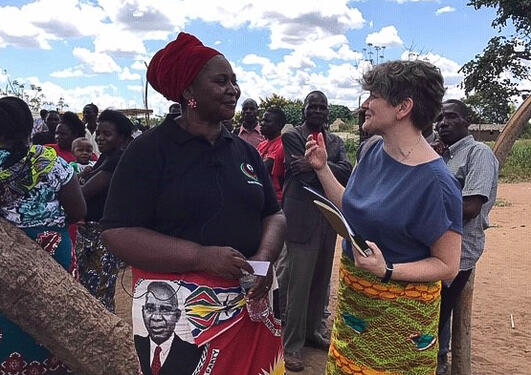
– Most often the priviliged are the winners in politics, and who is priviliged depends on gender, says professor Ragnhild Muriaas, who has lead the research project Money Talks.
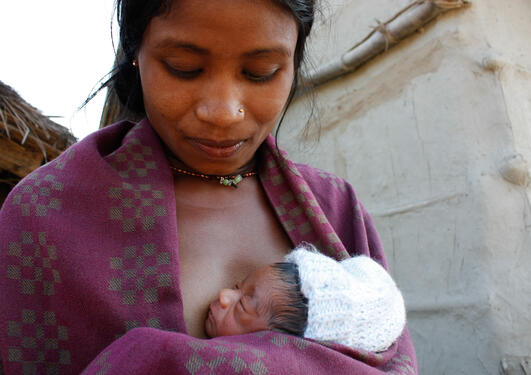
When newborn babies with low birth weight are held close to their mother´s bodies throughout the day, their chance of survival increases substantially.
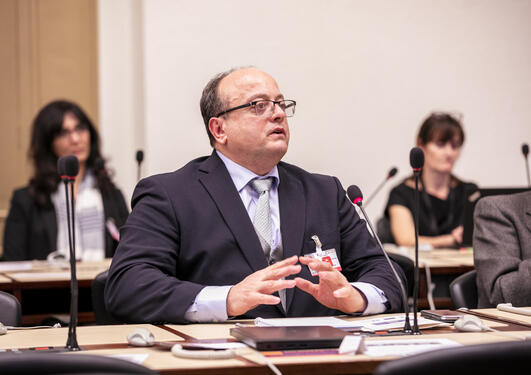
The University of Bergen political scientist Hakan G. Sicakkan has been named as one of the members in the UN Global Academic Network of migration experts.
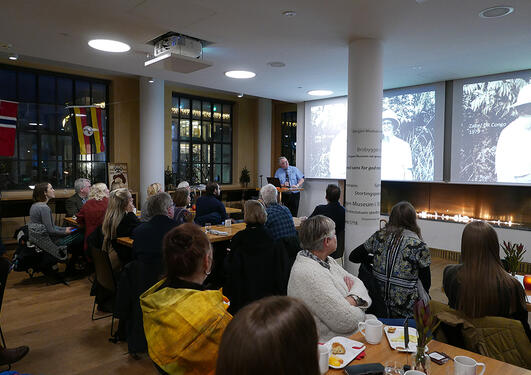
Following celebrations held at Makerere University in Uganda last month, UiB hosted a breakfast seminar at Christie Café with participants in the many collaborative activities on-going at the University of Bergen.
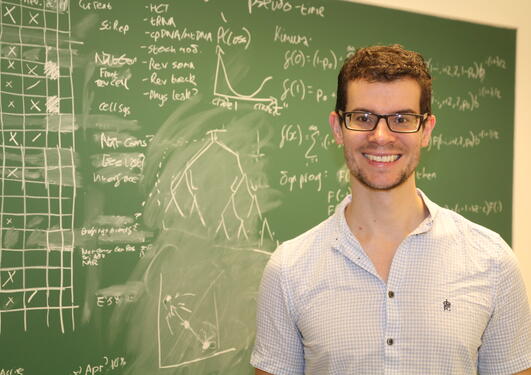
UiB and Imperial College researchers have developed a tool which predicts how progressive diseases like cancer and malaria develop in individual patients. In addition, the tool uncovers how bacteria develop resistance to certain drugs.
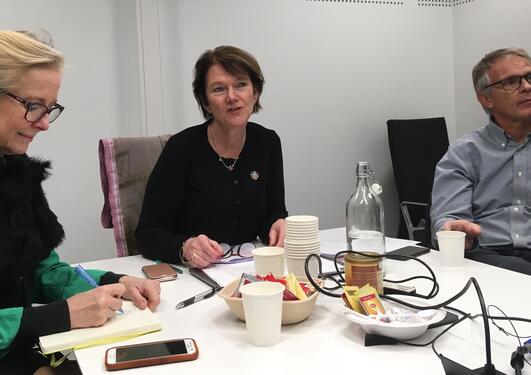
In November 2018 the University of Bergen was officially announced as the leader of the SDG14 Cluster for the International Association of Universities (IAU). In November 2019 the IAU SDG14 Cluster met for the first time – at least virtually.
Pages
- June 2026 (3)
- April 2026 (1)
- February 2026 (3)
- January 2026 (1)
- December 2025 (1)
- November 2025 (1)
- September 2025 (1)
- July 2025 (2)
- June 2025 (3)
- April 2025 (2)
- February 2025 (2)
- January 2025 (2)
- November 2024 (2)
- October 2024 (3)
- September 2024 (4)
- August 2024 (3)
- July 2024 (1)
- June 2024 (6)
- May 2024 (1)
- April 2024 (3)
- March 2024 (4)
- February 2024 (2)
- January 2024 (3)
- December 2023 (5)
- November 2023 (3)
- October 2023 (2)
- September 2023 (5)
- August 2023 (2)
- June 2023 (3)
- May 2023 (4)
- April 2023 (4)
- March 2023 (4)
- February 2023 (3)
- January 2023 (3)
- November 2022 (2)
- September 2022 (1)
- June 2022 (1)
- May 2022 (2)
- April 2022 (3)
- March 2022 (1)
- February 2022 (2)
- January 2022 (1)
- December 2021 (2)
- November 2021 (1)
- October 2021 (4)
- September 2021 (1)
- August 2021 (1)
- July 2021 (1)
- June 2021 (7)
- May 2021 (4)
- April 2021 (2)
- March 2021 (7)
- February 2021 (4)
- January 2021 (1)
- December 2020 (4)
- November 2020 (5)
- October 2020 (3)
- September 2020 (1)
- August 2020 (2)
- July 2020 (2)
- June 2020 (5)
- May 2020 (3)
- April 2020 (5)
- March 2020 (2)
- February 2020 (2)
- January 2020 (3)
- December 2019 (2)
- November 2019 (4)
- October 2019 (7)
- September 2019 (3)
- August 2019 (2)
- July 2019 (6)
- June 2019 (2)
- May 2019 (3)
- April 2019 (3)
- March 2019 (2)
- February 2019 (4)
- January 2019 (3)
- December 2018 (1)
- November 2018 (4)
- October 2018 (3)
- September 2018 (2)
- August 2018 (2)
- July 2018 (4)
- June 2018 (3)
- May 2018 (1)
- April 2018 (1)
- March 2018 (2)
- February 2018 (3)
- January 2018 (3)
- December 2017 (1)
- November 2017 (3)
- October 2017 (1)
- September 2017 (1)
- August 2017 (1)
- July 2017 (1)
- June 2017 (6)
- May 2017 (3)
- April 2017 (1)
- March 2017 (1)
- January 2017 (1)
- November 2016 (1)
- August 2016 (1)
- June 2015 (1)