
News archive for Michael Sars Centre

PhD candidate Chiara Castelletti from the Christiaen group at the Michael Sars Centre attended the 10th European Society for Evolutionary Developmental Biology Meeting, a landmark in the field of evo-devo. She shares her impressions and experience.

The 5th edition of the Michael Sars Symposium created a platform for computational and molecular biologists to connect and share their latest work.

New research on the sea squirt Ciona intestinalis challenges the view that animals living fixed in place have simple behaviors and limited responses to their environment.

As the ocean undergoes rapid anthropogenic changes that impact ecosystems, the Michael Sars Centre’s strategy evolves to study life in context, from molecules to ecosystems.
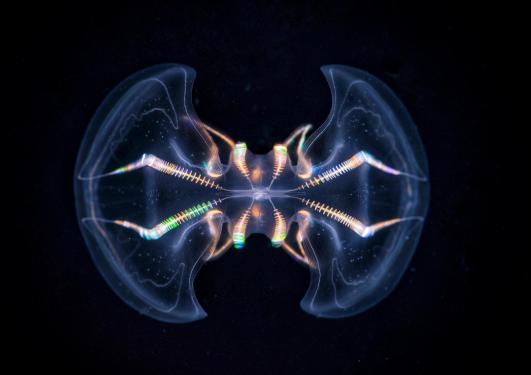
New 3D reconstructions of a key sensory organ in ctenophores reveal an unexpected structural and functional complexity. The findings suggest that an elementary brain may have already appeared in our most ancient relatives, reshaping our understanding of nervous system evolution in animals.
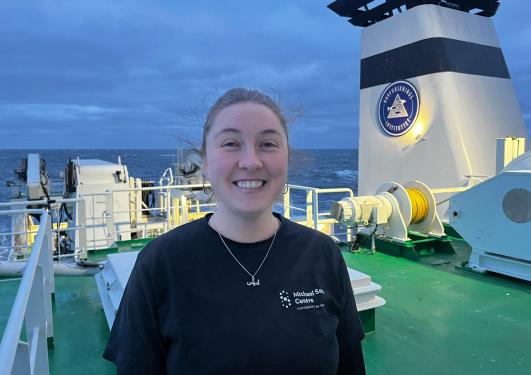
Postdoctoral researcher Emily Claereboudt recently joined an Institute of Marine Research (IMR) expedition in the North Sea. Her goal - collect as many sea cucumbers as possible to find out how they communicate with each other.
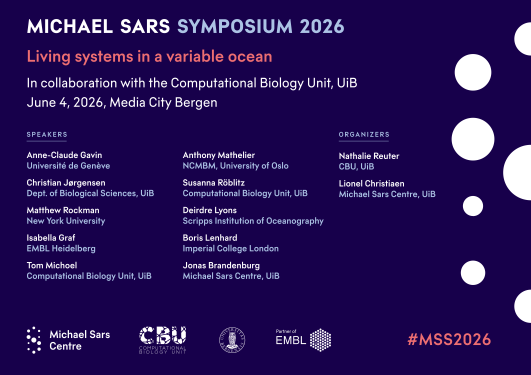
Join us on June 4, 2026 at Media City Bergen for a day of exceptional talks. This year's event is co-organized by the Michael Sars Centre and the Computational Biology Unit at UiB, and will focus on 'Living systems in a variable ocean'.
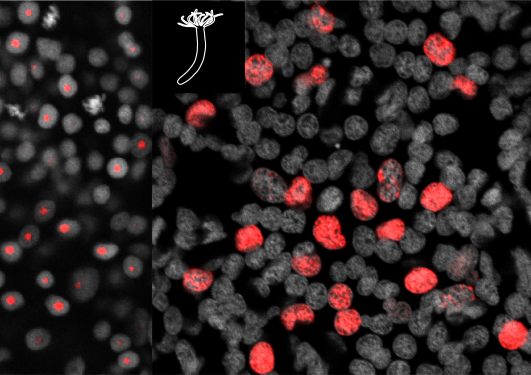
After a routine experiment raised suspicions, Steinmetz group researchers joined forces with collaborators to highlight the limitations of a commonly used RNA labeling product.
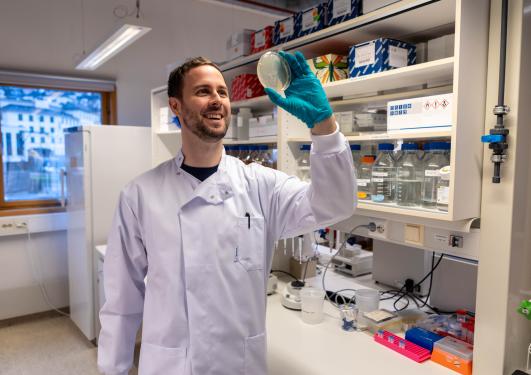
Some of the most promising innovations begin far from the marketplace — in the deep curiosity of fundamental research. For developmental biologist Guillaume Poncelet, that curiosity lives inside the earliest stages of life: tiny sea squirt embryos forming a heart.
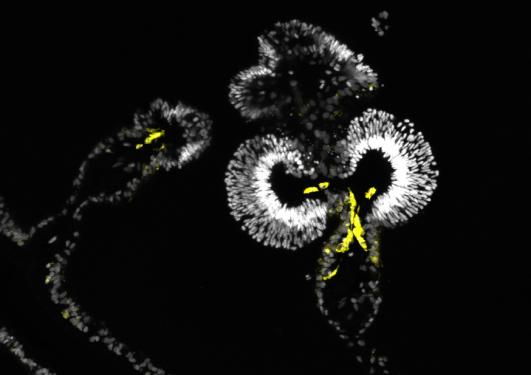
New work from the Steinmetz group at the Michael Sars Centre unveils the secrets behind the starlet sea anemone's extraordinary ability to adjust its body size according to food availability.
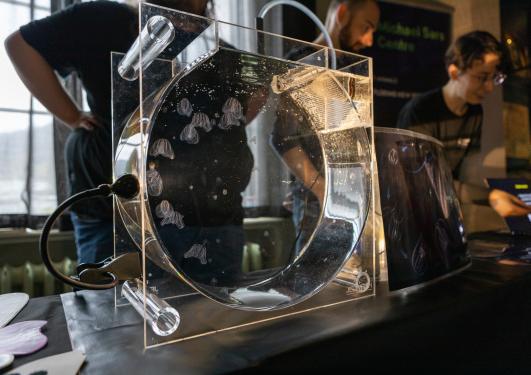
As the University Museum celebrates its 200 years jubilee, researchers reflected on breakthroughs in biological sciences made at UiB and how they relate to today’s research.
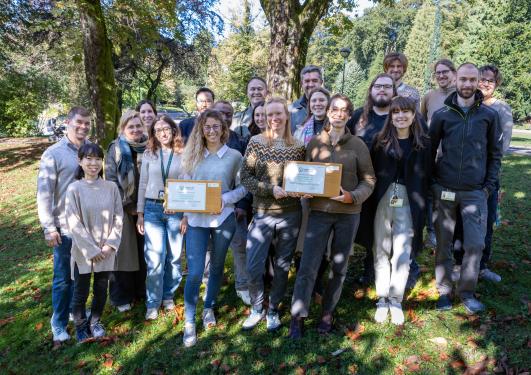
Efforts to make the Christiaen and Burkhardt laboratories more sustainable were rewarded with the highest-level certification from international environmental organization My Green Lab. The initiative received support from the UiB Climate Fund.
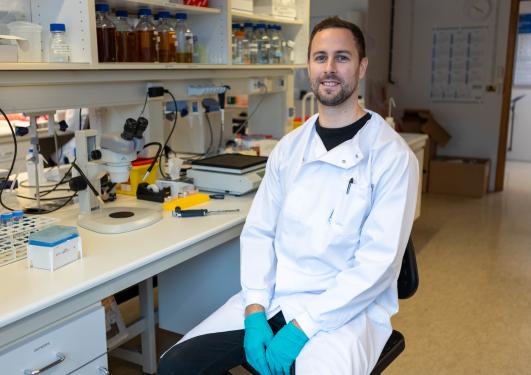
Guillaume Poncelet, postdoctoral researcher in the Christiaen group, will receive funding from the UiB Idé innovation program to develop a novel product inspired by marine life.
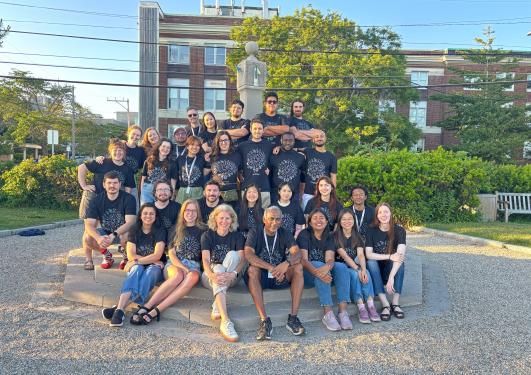
This summer, PhD candidate Max Jordi Makem Pekouankouang from the Christiaen group at the Michael Sars Centre attended the prestigious Embryology course at the Marine Biological Laboratory in Woods Hole, USA. He shares how this experience transformed his approach to science.
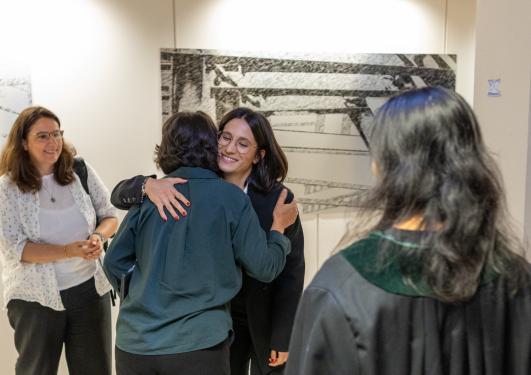
On the 22nd of August 2025, PhD candidate Inés Fournon Berodia successfully defended her thesis titled “Epithelial cell extrusion drives cell loss during starvation-induced shrinkage in a sea anemone”.
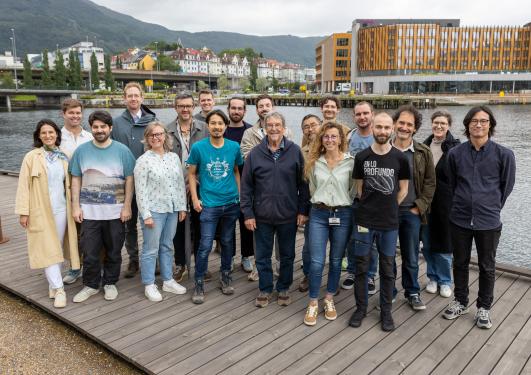
Researchers from the Institut de la Mer de Villefranche and the Michael Sars Centre received support from the French-Norwegian mobility program Åsgard. Through seminars and discussions, participants laid the groundwork for a long-term collaboration between the two institutes.
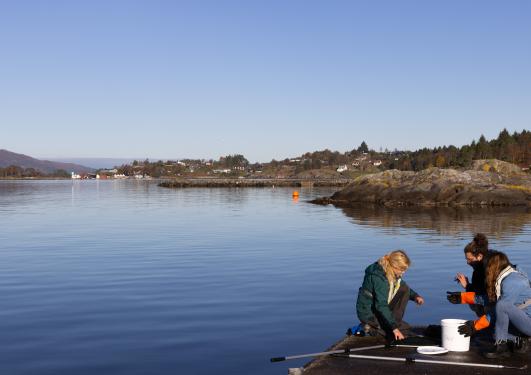
The Michael Sars Centre is launching a Visitors Program designed to foster scientific exchange and collaborations across disciplines.
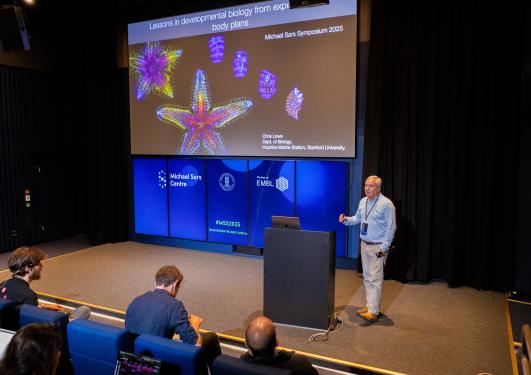
The fourth edition of the Michael Sars Symposium brought together experts from a variety of research fields within biology, all united by a common theme – evolution.
Pages
- June 2026 (3)
- April 2026 (1)
- March 2026 (1)
- February 2026 (2)
- January 2026 (2)
- December 2025 (1)
- October 2025 (2)
- September 2025 (2)
- August 2025 (1)
- July 2025 (1)
- June 2025 (2)
- May 2025 (2)
- April 2025 (2)
- March 2025 (1)
- February 2025 (4)
- January 2025 (4)
- December 2024 (1)
- November 2024 (2)
- October 2024 (6)
- September 2024 (2)
- August 2024 (4)
- July 2024 (2)
- June 2024 (3)
- May 2024 (2)
- April 2024 (4)
- March 2024 (2)
- February 2024 (3)
- January 2024 (1)
- December 2023 (2)
- November 2023 (1)
- October 2023 (3)
- September 2023 (3)
- August 2023 (4)
- July 2023 (1)
- June 2023 (3)
- May 2023 (2)
- April 2023 (3)
- February 2023 (3)
- January 2023 (2)
- December 2022 (1)
- November 2022 (1)
- October 2022 (1)
- September 2022 (2)
- August 2022 (1)
- June 2022 (1)
- March 2022 (2)
- January 2022 (1)
- December 2021 (1)
- November 2021 (1)
- April 2021 (1)
- March 2021 (1)
- October 2020 (2)
- August 2020 (1)
- June 2020 (1)
- April 2020 (2)
- March 2020 (1)
- October 2019 (1)
- August 2019 (1)
- June 2019 (1)
- April 2019 (1)
- February 2019 (1)
- January 2019 (2)
- February 2017 (1)