
News archive for The Department of Biomedicine
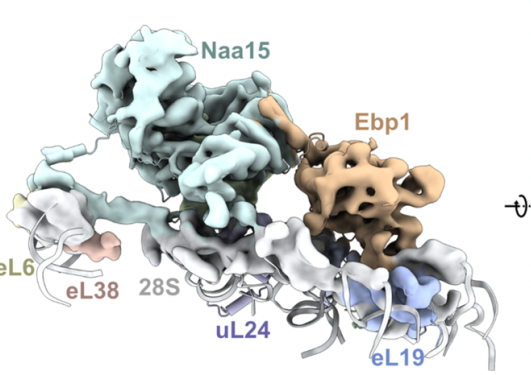
Proteins are the workhorses of the cells, and many require processing during their production to achieve proper function. One key player in this process is NatA, an enzyme complex that modifies proteins as they are made.
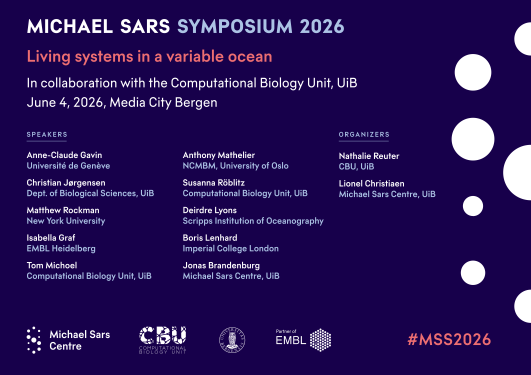
Join us on June 4, 2026 at Media City Bergen for a day of exceptional talks. This year's event is co-organized by the Michael Sars Centre and the Computational Biology Unit at UiB, and will focus on 'Living systems in a variable ocean'.
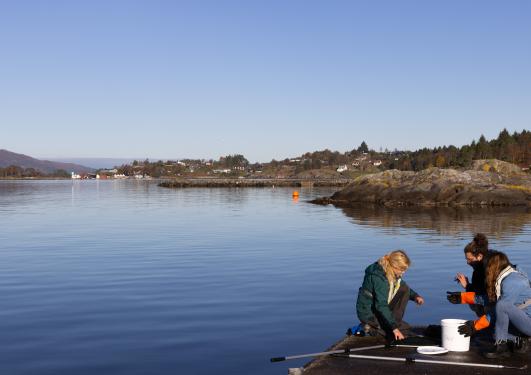
The Michael Sars Centre is launching a Visitors Program designed to foster scientific exchange and collaborations across disciplines.

The human genome was sequenced many years ago and our ~20.000 genes are mostly defined. However, a large portion of our proteins, the products encoded by the genes and involved in all biological processes, remain functionally unexplored.
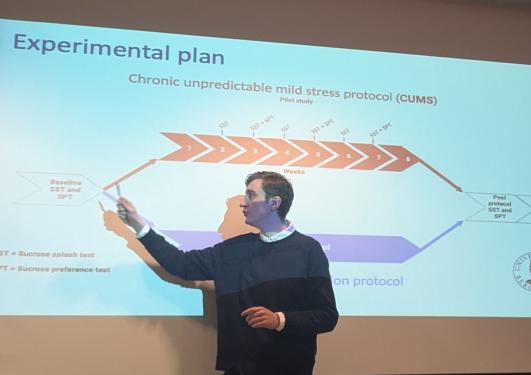
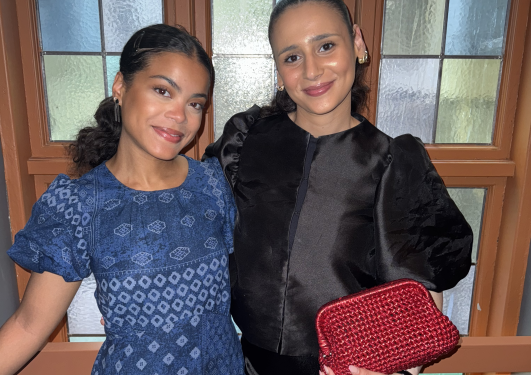
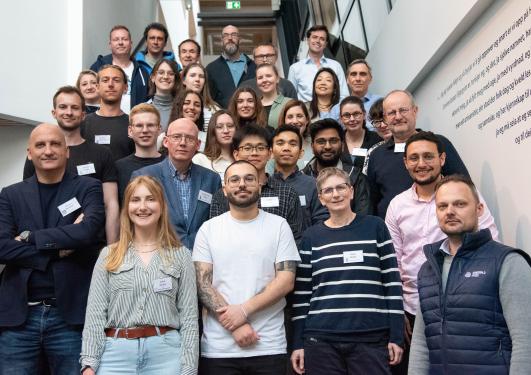
May 26th marked the kick-off for the doctoral network, gathering Ph.D. candidates from all over the world.
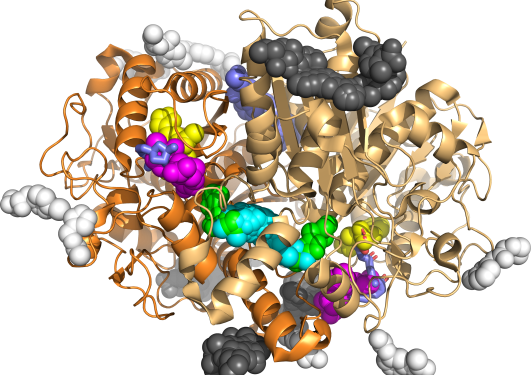
This is the newest part of our journey to design FabF inhibitors with the goal to develop new antibiotics. Here, we have used X-ray crystallography to discover hit compounds which subsequently were optimized using analogue searching, chemical space searching and manual design.
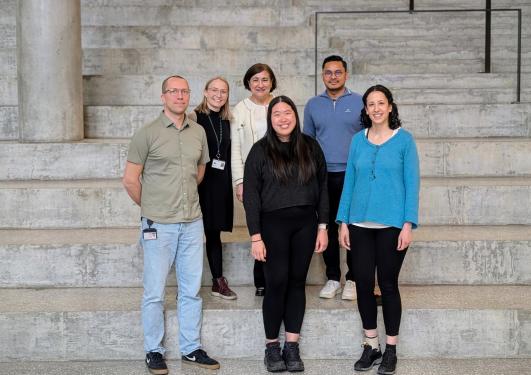
Our group Biorecognition, along with collaborators in Madrid and Bilbao, Spain, has published a exciting new study by Mary Dayne S. Tai et al. in Nature Communications (link below).
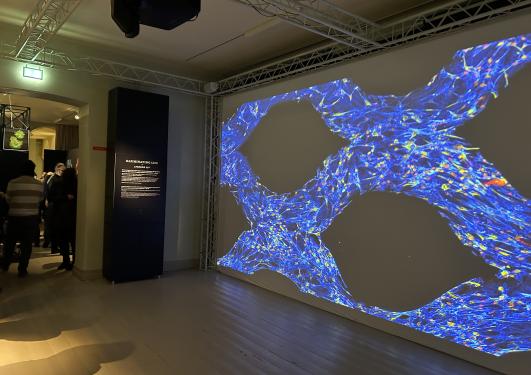
Visit the exhibition "Illuminating life" and admire Shuntaro Yamada's pictures of cells and tissue.

Join us on June 6, 2025 at Media City Bergen for a day of exceptional talks. This year, our invited speakers will explore the theme: "Decoding signals and unveiling architectures, from molecules to organisms".
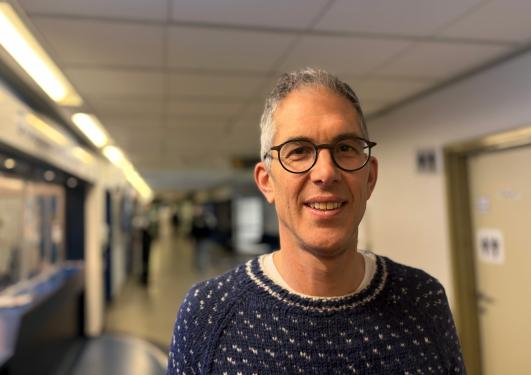
Professor Hrvoje Miletic and his team at UiB have made groundbreaking discoveries that could provide new answers to what makes malignant brain tumors grow. The goal is to improve both survival and treatment of brain cancer.
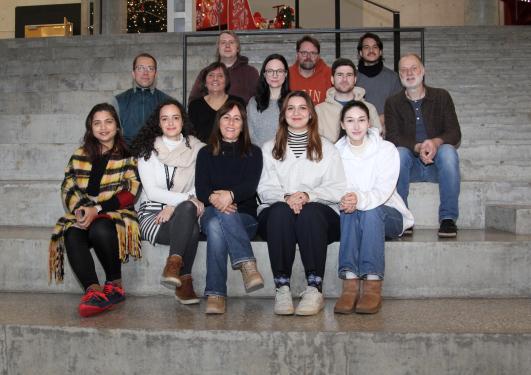
UiB researchers are behind a new discovery that tells us how associated neurodegenerative diseases might develop.
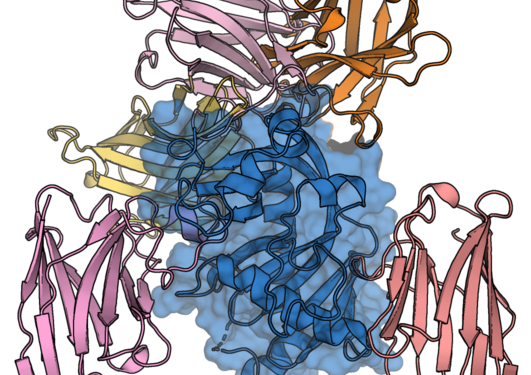
CNPase is an enzyme present at high levels in myelinating cells. Novel nanobody tools developed in an international collaboration were used to identify binding epitopes at atomic resolution and visualise myelin. Additionally, the nanobodies were used as intrabodies to bind to CNPase in living cells. These nanotools will be valuable for future research on myelin and its molecules.

Oxygen is vital for human life and so is our ability to respond to low oxygen levels. Researchers at the University of Oxford and University of Bergen have uncovered new factors defining how human cells respond to hypoxia.
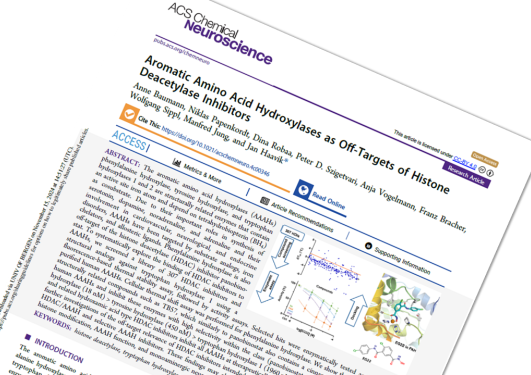
Aromatic amino acid hydroxylases (AAAHs) like PAH, TH, and TPH are essential for producing key neurotransmitters and require iron and tetrahydrobiopterin to function. This study screened 307 histone deacetylase inhibitors and found that compounds like panobinostat can inhibit AAAHs at low micromolar concentrations, suggesting new therapeutic applications for these inhibitors.
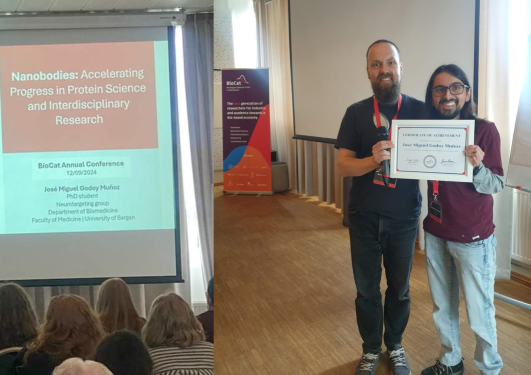
Congratulation to José Miguel Godoy who won the prizes for best 3-min presentation at the Biocat conference last week.

TargetRNA is an EU Horizon funded Marie Skłodowska-Curie Action (MSCA) doctoral training network. In this network, 16 PhD students will be trained in RNA-ligand design in the context of antimicrobial drug discovery.
Pages
- February 2026 (2)
- June 2025 (5)
- April 2025 (1)
- March 2025 (2)
- January 2025 (3)
- December 2024 (1)
- November 2024 (2)
- September 2024 (1)
- August 2024 (2)
- June 2024 (3)
- May 2024 (1)
- April 2024 (1)
- February 2024 (3)
- January 2024 (1)
- October 2023 (1)
- September 2023 (2)
- August 2023 (2)
- July 2023 (2)
- March 2023 (4)
- February 2023 (1)
- January 2023 (1)
- December 2022 (4)
- November 2022 (1)
- October 2022 (4)
- September 2022 (3)
- June 2022 (2)
- May 2022 (4)
- April 2022 (3)
- March 2022 (8)
- December 2021 (1)
- November 2021 (3)
- September 2021 (3)
- August 2021 (2)
- July 2021 (1)
- June 2021 (1)
- May 2021 (1)
- March 2021 (1)
- February 2021 (3)
- January 2021 (1)
- December 2020 (1)
- November 2020 (1)
- October 2020 (2)
- September 2020 (3)
- June 2020 (1)
- April 2020 (3)
- March 2020 (2)
- February 2020 (3)
- January 2020 (1)
- December 2019 (3)
- November 2019 (4)
- August 2019 (1)
- June 2019 (2)
- May 2019 (1)
- April 2019 (1)
- March 2019 (1)
- January 2019 (2)
- December 2018 (2)
- November 2018 (2)
- October 2018 (2)
- September 2018 (3)
- August 2018 (2)
- February 2018 (1)
- January 2018 (1)
- November 2017 (2)
- October 2017 (3)
- August 2017 (1)
- June 2017 (1)
- March 2017 (1)
- January 2017 (4)
- November 2016 (1)
- October 2016 (2)
- August 2016 (2)
- July 2016 (2)
- March 2016 (2)
- January 2016 (2)
- October 2015 (1)
- July 2015 (1)
- June 2015 (2)
- April 2015 (1)
- February 2015 (1)
- January 2015 (1)
- December 2014 (1)
- October 2014 (1)
- August 2014 (1)
- April 2014 (2)
- March 2014 (1)
- February 2014 (1)
- January 2014 (2)
- November 2013 (2)
- October 2013 (3)
- September 2013 (1)
- June 2013 (1)
- May 2013 (1)
- April 2013 (1)
- January 2013 (1)
- December 2012 (1)
- November 2012 (1)
- September 2012 (2)
- August 2012 (1)
- July 2012 (1)
- May 2012 (1)
- April 2012 (1)
- March 2012 (2)
- February 2012 (1)
- January 2012 (1)
- November 2011 (2)
- October 2011 (3)
- June 2011 (3)
- May 2011 (1)
- April 2011 (3)
- February 2011 (2)
- January 2011 (2)
- December 2010 (1)
- November 2010 (3)
- October 2010 (2)
- March 2010 (2)
- November 2009 (1)
- October 2009 (3)
- September 2009 (1)
- July 2009 (2)
- May 2009 (1)
- April 2009 (2)
- February 2009 (1)
- January 2009 (1)