
News archive for Faculty of Science and Technology

The success of DeepSeek shows an interesting example where funding is the means to research and innovation and not directly the end goal.
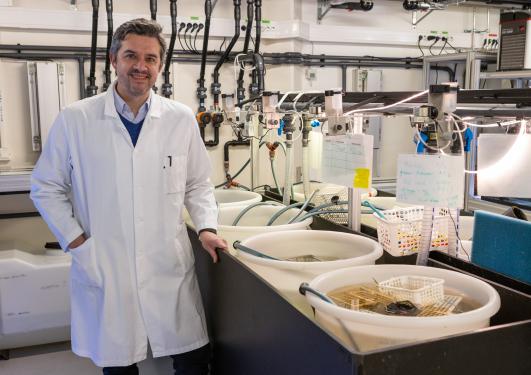
As the ocean warms, researchers are racing to uncover the impact of the climate crisis on marine life. In an innovative multi-scale project, developmental biologist Lionel Christiaen sets the focus on the very beginnings of life in a changing environment.
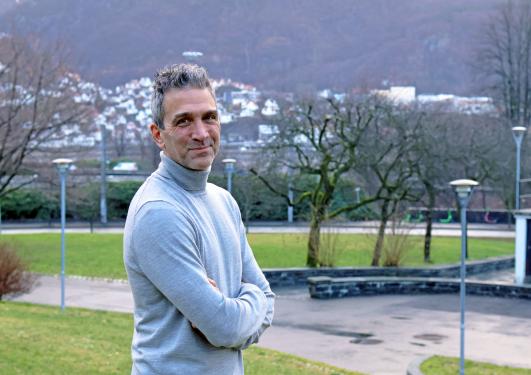
The main goal of the centre is to transform the provision of weather, climate and environmental information to enable better- informed decisions in the face of unprecedented environmental challenges. All this by using artificial intelligence.
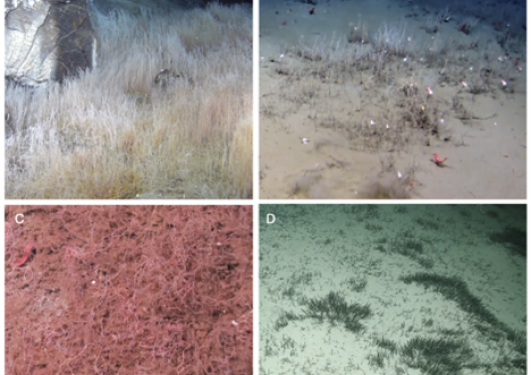
The start of the year marked the launch of WormFEST — a groundbreaking project exploring the fascinating worm forests found deep underwater near Arctic hydrothermal vents and cold seeps.

The University of Bergen (UiB) will host another seven international research fellows after a very successful application round in this year’s competition for MSCA funding from the EU. The grants will fund the researchers' stay at UiB for two years.

The SEAS programme at the University of Bergen was recently endorsed as an Ocean Decade Action. It becomes the university’s second Action as part of the United Nations Ocean Decade.
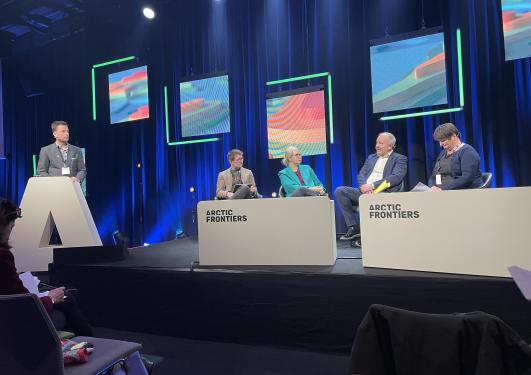
In the side event “License to Operate – The Arctic Energy Transition” at Arctic Frontiers 2025, stakeholders from across sectors joined forces to discuss the challenges lying ahead for the Arctic and the green transition of energy markets in a geopolitically challenging situation.

The UNESCO Chair project BECOME, is one of the initiatives mentioned in the newly published UNESCO report “The Earth Network: sharing tools for biodiversity conservation and sustainable development in UNESCO-designated sites”, where they present a toolkit of practices that support both the 2030 Agenda and UNESCO-designated sites.
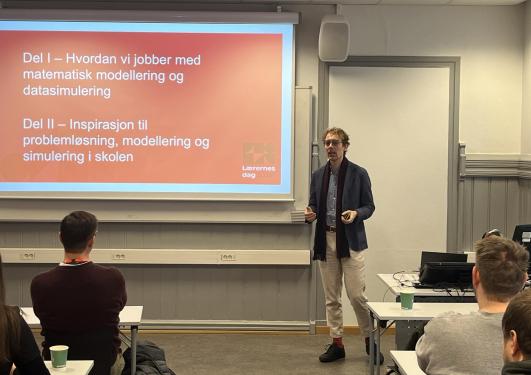
The university has invited high school teachers for a full day of talks. Our group had the honor of presenting three engaging sessions on modeling, simulations, and interdisciplinary research and education.
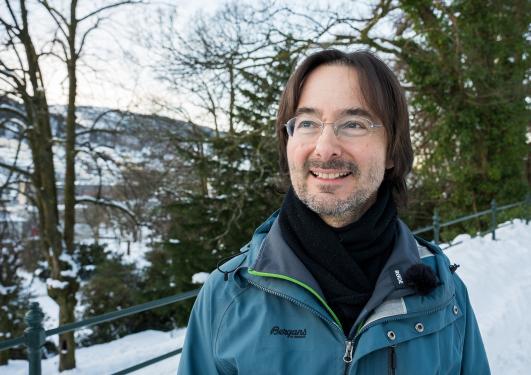
Professor Martino Marisaldi has been awarded an ERC Advanced Grant of €3.5 million for his research into how lightning initiates —one of the longest-standing unsolved mysteries in atmospheric electricity.

The Michael Sars Centre at the University of Bergen and the Paris Aquarium have signed a Memorandum of Understanding (MoU) to exchange expertise on comb jelly husbandry. The collaboration marks a significant milestone as animals first raised at the Centre are now on display in the aquarium’s Medusarium©, the largest jellyfish exhibit in Europe.
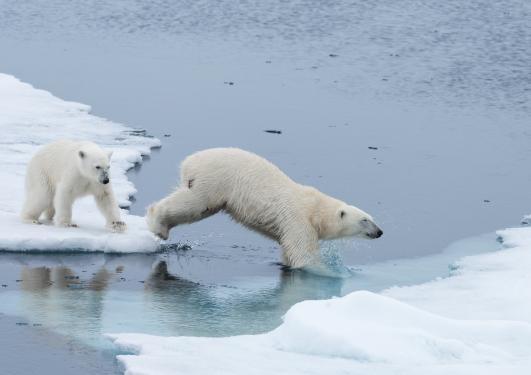
A brilliant idea led nanophysicist Bodil Holst to investigate why polar bear fur doesn't freeze. Now, her research on the deicing properties of polar bear fur has been published as the cover story in Science Advances.

Join us on June 6, 2025 at Media City Bergen for a day of exceptional talks. This year, our invited speakers will explore the theme: "Decoding signals and unveiling architectures, from molecules to organisms".
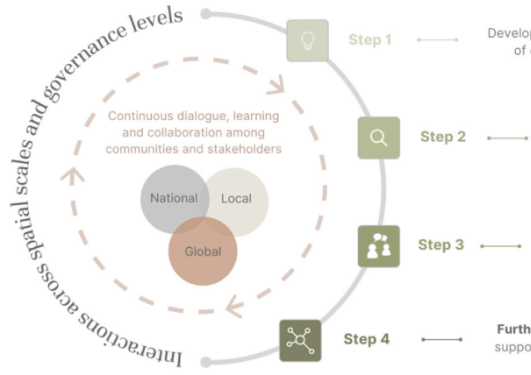
The CULTIVATE project recently had its first paper published in Current Opinion in Environmental Sustainability. In this paper, the authors present a novel
transdisciplinary learning framework that links notions of cultural heritage, landscape, and social-ecological systems thinking to support sustainable rural development.

In collaboration, five researchers from several research institutions in Bergen have succeeded in attracting the largest international conference in deep-sea biology to Bergen in 2028. The team will jointly organize the conference, supported by local professional network Bergen Bathysphere.
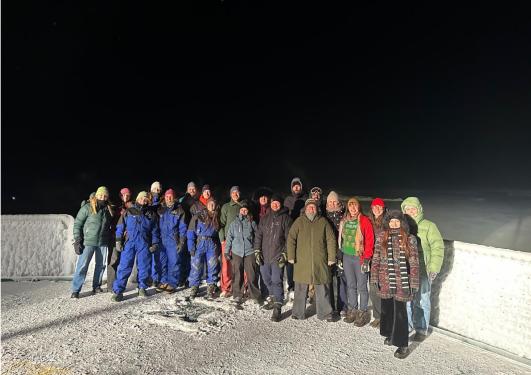
The CDeepSea Ultima Thule expedition on the R/V Kronprins Haakon left Longyearbyen on November 26, 2024 with the primary objective of mapping and sampling in the Lena Trough. However, the researchers and crew onboard were prepared for challenging sea ice conditions given the time of year and the northern latitudes... and that is what they encountered!
We have received over 750 signatures to our appeal «Stortinget må sette kunnskapen i arbeid for å stoppe naturtapet» (Norwegian government must use knowledge-based solutions to stop the loss of nature), and many supportive messages in the commentary section.
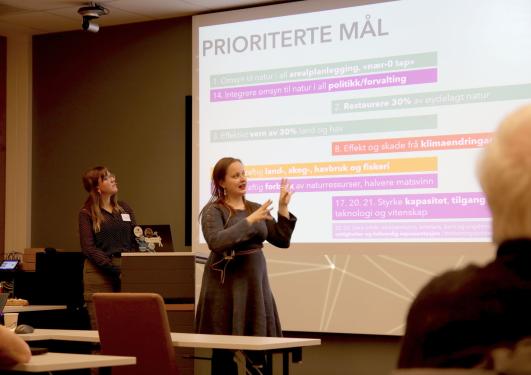
In December, the BIOSPHERE project group held a dialogue meeting about the Global Biodiversity Framework goals with stakeholders from the Nordhordland municipalities as the finally of the resilience assessment that has been taking place this autumn.
Pages
- June 2026 (2)
- April 2026 (4)
- March 2026 (4)
- February 2026 (6)
- January 2026 (6)
- December 2025 (4)
- November 2025 (1)
- October 2025 (6)
- September 2025 (5)
- August 2025 (1)
- July 2025 (3)
- June 2025 (7)
- May 2025 (7)
- April 2025 (4)
- March 2025 (10)
- February 2025 (13)
- January 2025 (4)
- December 2024 (11)
- November 2024 (7)
- October 2024 (11)
- September 2024 (11)
- August 2024 (8)
- July 2024 (10)
- June 2024 (7)
- May 2024 (13)
- April 2024 (16)
- March 2024 (7)
- February 2024 (15)
- January 2024 (6)
- December 2023 (7)
- November 2023 (18)
- October 2023 (10)
- September 2023 (13)
- August 2023 (8)
- July 2023 (3)
- June 2023 (10)
- May 2023 (7)
- April 2023 (13)
- March 2023 (8)
- February 2023 (12)
- January 2023 (18)
- December 2022 (3)
- November 2022 (25)
- October 2022 (8)
- September 2022 (8)
- August 2022 (4)
- July 2022 (5)
- June 2022 (9)
- May 2022 (5)
- April 2022 (6)
- March 2022 (7)
- February 2022 (9)
- January 2022 (6)
- December 2021 (6)
- November 2021 (3)
- October 2021 (10)
- September 2021 (5)
- August 2021 (6)
- July 2021 (3)
- June 2021 (21)
- May 2021 (11)
- April 2021 (3)
- March 2021 (6)
- February 2021 (4)
- January 2021 (3)
- December 2020 (5)
- November 2020 (2)
- October 2020 (3)
- September 2020 (4)
- August 2020 (3)
- July 2020 (2)
- June 2020 (3)
- May 2020 (3)
- April 2020 (5)
- March 2020 (1)
- February 2020 (2)
- January 2020 (3)
- December 2019 (5)
- November 2019 (4)
- October 2019 (9)
- September 2019 (3)
- August 2019 (2)
- July 2019 (3)
- June 2019 (6)
- May 2019 (8)
- April 2019 (6)
- March 2019 (7)
- February 2019 (10)
- January 2019 (10)
- December 2018 (7)
- November 2018 (6)
- October 2018 (9)
- September 2018 (4)
- August 2018 (6)
- July 2018 (1)
- June 2018 (4)
- May 2018 (5)
- April 2018 (3)
- March 2018 (4)
- February 2018 (3)
- January 2018 (3)
- December 2017 (3)
- November 2017 (7)
- October 2017 (7)
- September 2017 (3)
- August 2017 (3)
- July 2017 (3)
- June 2017 (9)
- May 2017 (3)
- April 2017 (1)
- March 2017 (4)
- February 2017 (6)
- January 2017 (5)
- December 2016 (4)
- November 2016 (4)
- October 2016 (4)
- September 2016 (7)
- August 2016 (2)
- June 2016 (3)
- May 2016 (4)
- April 2016 (4)
- March 2016 (1)
- February 2016 (5)
- January 2016 (6)
- December 2015 (6)
- November 2015 (3)
- October 2015 (2)
- September 2015 (2)
- August 2015 (1)
- July 2015 (2)
- June 2015 (3)
- May 2015 (3)
- April 2015 (2)
- March 2015 (2)
- February 2015 (3)
- January 2015 (5)
- December 2014 (3)
- November 2014 (2)
- October 2014 (6)
- September 2014 (6)
- August 2014 (1)
- July 2014 (1)
- June 2014 (1)
- May 2014 (6)
- March 2014 (6)
- February 2014 (4)
- January 2014 (3)
- December 2013 (6)
- November 2013 (3)
- October 2013 (9)
- September 2013 (4)
- August 2013 (6)
- July 2013 (1)
- June 2013 (5)
- May 2013 (6)
- April 2013 (8)
- March 2013 (2)
- February 2013 (3)
- January 2013 (5)
- December 2012 (4)
- November 2012 (3)
- October 2012 (4)
- September 2012 (5)
- August 2012 (4)
- July 2012 (2)
- June 2012 (6)
- May 2012 (2)
- March 2012 (4)
- February 2012 (2)
- January 2012 (6)
- December 2011 (3)
- November 2011 (8)
- October 2011 (6)
- September 2011 (9)
- August 2011 (2)
- July 2011 (4)
- June 2011 (7)
- May 2011 (5)
- April 2011 (5)
- March 2011 (7)
- February 2011 (7)
- January 2011 (5)
- December 2010 (2)
- November 2010 (5)
- October 2010 (5)
- September 2010 (7)
- August 2010 (2)
- June 2010 (5)
- May 2010 (4)
- April 2010 (4)
- March 2010 (5)
- February 2010 (5)
- January 2010 (9)
- December 2009 (1)
- October 2009 (6)
- September 2009 (7)
- August 2009 (5)
- July 2009 (2)
- June 2009 (6)
- May 2009 (5)
- April 2009 (1)
- March 2009 (4)
- February 2009 (2)
- January 2009 (4)