
News archive for Faculty of Science and Technology
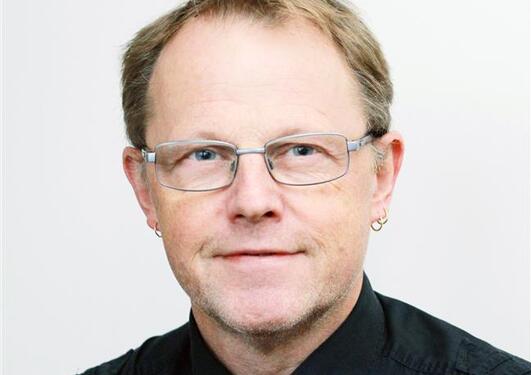
Amund Måge has been appointed new marine director at the University of Bergen. One of his first tasks will be to include the entire university in its strategic marine research initiative.
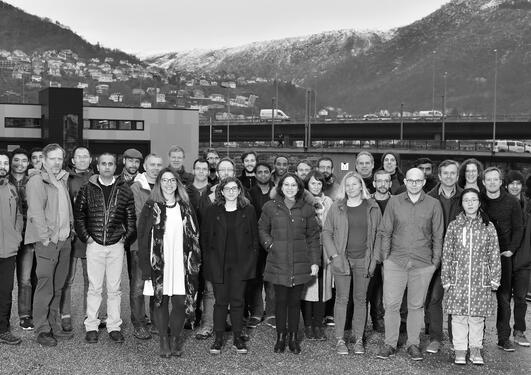
Computational Biology Unit, a leading hub of bioinformatics research in Bergen, Norway, aims to boost computational biology research and education in the country. Now, they are seeking the best young researchers.
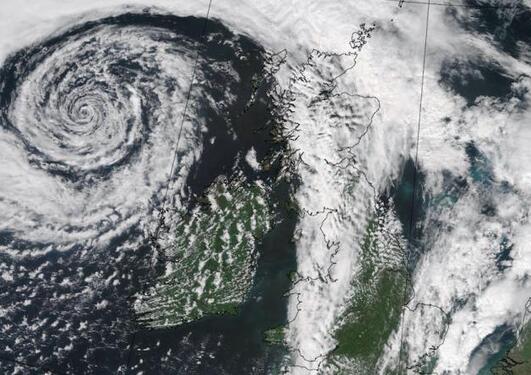
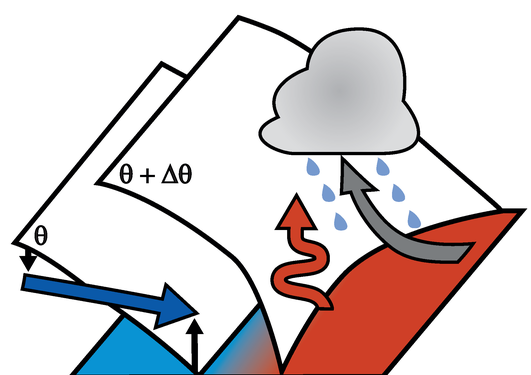
A new research finds an increase of strong and extremely strong fronts in summertime and autumn over Europe. If this is a trend or caused by climate change remains to be seen, according to lead author Sebastian Schemm.
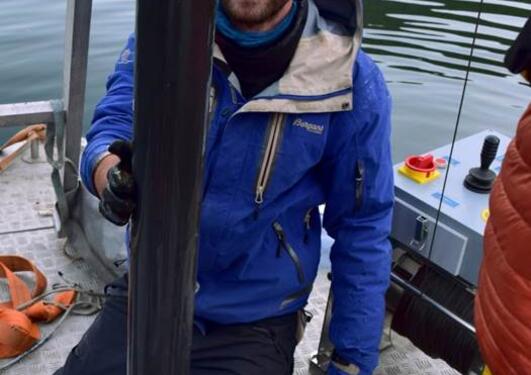
The Department of Earth Sciences (GEO) is part of HordaFlom, an innovative project which will analyze lake sediments to reconstruct flooding events during the last 2000 years and which will provide more robust projections of future floods
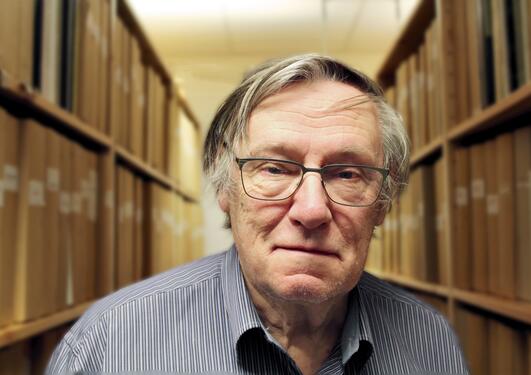
Despite being Professor Emeritus, John Birks has no plans of slowing down. He hopes to continue his research activities for many years.
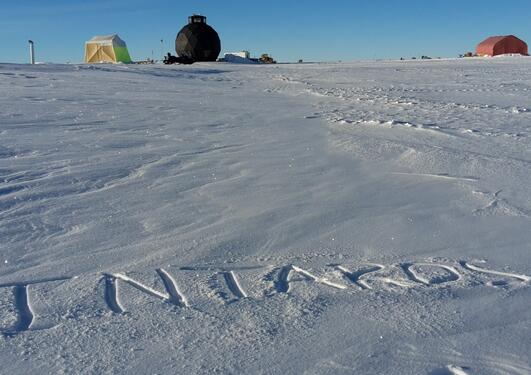
Mathilde B. Sørensen, Kuvvet Atakan and Rolf Birger Pedersen are together with colleagues from GFI one of the 49 partners of the Integrated Arctic Observing system (INTAROS) funded by H2020 and coordinated by the Nansen center.
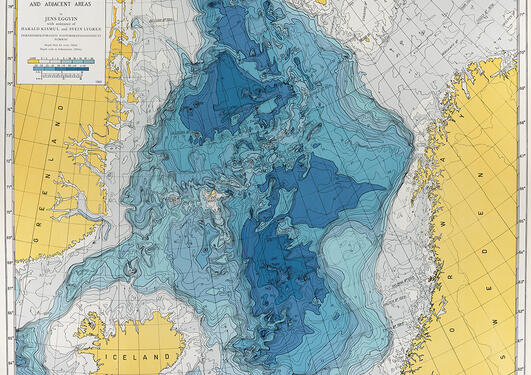
The new K.G. Jebsen Centre for Deep Sea Research will open 9 February 2017.
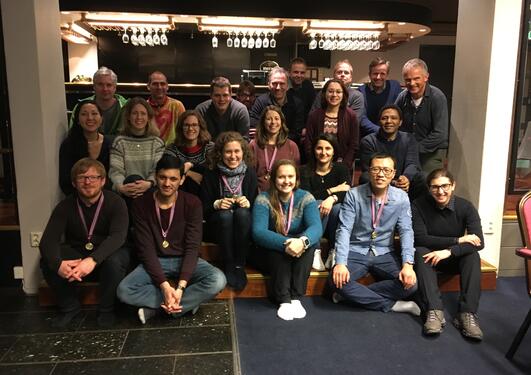
The first workshop in the dCod 1.0 project was organized at Voss during a busy December month. 22 participants from all Norwegian partners participated in discussions, cross-disciplinary crash courses, and teambuilding.
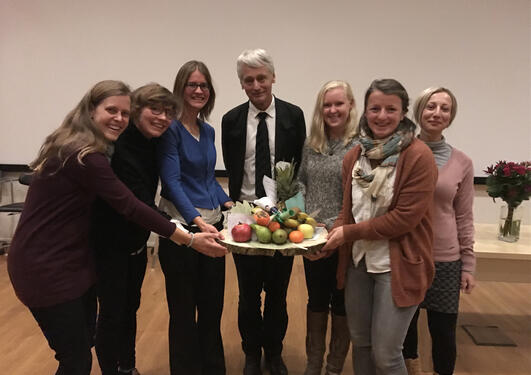
In connection with T. Frede Thingstad becoming Professor Emeritus at the University of Bergen from 2017, a seminar was held at the University of Bergen and Hjort Centre for Marine Ecosystem Dynamics on December 2nd to bring Frede’s work into an international perspective and celebrate his professional and collegial achievements.
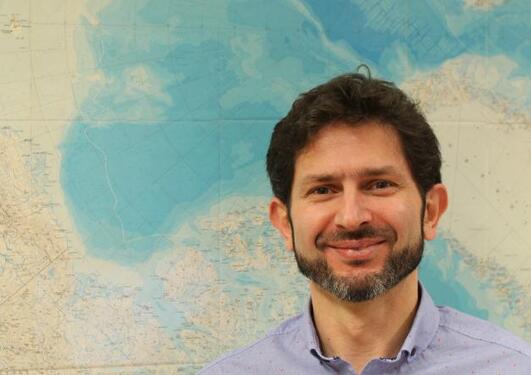
The German Society for Marine Research (Deutsche Gesellschaft für Meeresforschung, DGM) recently announced the recipient of the Georg Wüst Prize 2017. Congratulations Ilker Fer!
In the programme FRINATEK, the research counsil distributed 251 mill. NOK on 32 new research projects. Four of these are for researchers at Geophysical Institute. We also got one of five projects in the programme Polarprog.
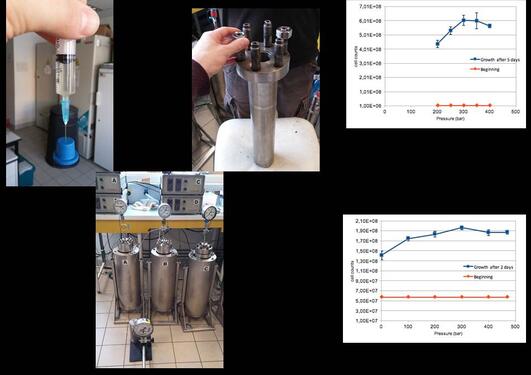
Geobiology master student, Andreas Gilje Sjøberg, had an opportunity to study abroad in a lab in Brittany during his master studies. His work there yielded unexpected and important results!
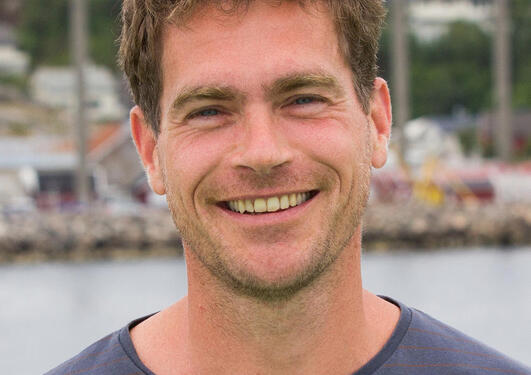
Researcher Steffen Leth Jørgensen is the Centre for Geobiology’s (CGB) 3rd successful Bergen Research Foundation’s Recruitment Programme candidate.

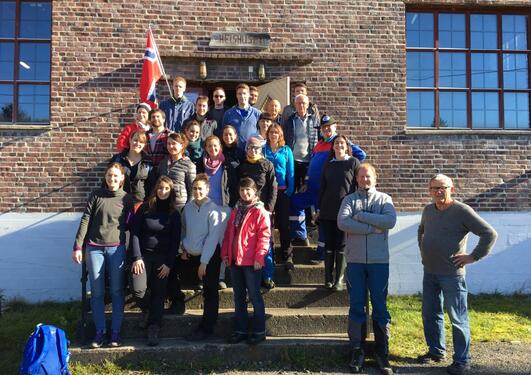
Several partners of the dCod 1.0 project participated in field studies in the Oslo fjord. The aim of the expedition was to study the pollution levels of cod in this popular area. For two of the four days they were joined by ecology students and teachers from the University of Oslo.

Ms Apinya Singkhala has a Royal Golden Jubilee PhD scholarship awarded by the Thai Research Fund for a 10 month reseach visit to BIO. She will work on thermophilic bacteria and hydrolytic enzymes from hot springs in Thailand.

Analysis of cyclone tracks and precyclogenesis flow conditions show us that El Niño can shift the preferred cyclogenesis position over the Gulf Stream which influences the cyclone’s track across the North Atlantic.
The results are published in the Journal of the Atmospheric Sciences.
The Centre for Geobiology (CGB) held a PhD course addressing the geological, environmental and technological challenges facing deep-sea mining and mineral extraction.
Pages
- June 2026 (1)
- April 2026 (4)
- March 2026 (4)
- February 2026 (6)
- January 2026 (6)
- December 2025 (4)
- November 2025 (1)
- October 2025 (6)
- September 2025 (5)
- August 2025 (1)
- July 2025 (3)
- June 2025 (7)
- May 2025 (7)
- April 2025 (4)
- March 2025 (10)
- February 2025 (13)
- January 2025 (4)
- December 2024 (11)
- November 2024 (7)
- October 2024 (11)
- September 2024 (11)
- August 2024 (8)
- July 2024 (10)
- June 2024 (7)
- May 2024 (13)
- April 2024 (16)
- March 2024 (7)
- February 2024 (15)
- January 2024 (6)
- December 2023 (7)
- November 2023 (18)
- October 2023 (10)
- September 2023 (13)
- August 2023 (8)
- July 2023 (3)
- June 2023 (10)
- May 2023 (7)
- April 2023 (13)
- March 2023 (8)
- February 2023 (12)
- January 2023 (18)
- December 2022 (3)
- November 2022 (25)
- October 2022 (8)
- September 2022 (8)
- August 2022 (4)
- July 2022 (5)
- June 2022 (9)
- May 2022 (5)
- April 2022 (6)
- March 2022 (7)
- February 2022 (9)
- January 2022 (6)
- December 2021 (6)
- November 2021 (3)
- October 2021 (10)
- September 2021 (5)
- August 2021 (6)
- July 2021 (3)
- June 2021 (21)
- May 2021 (11)
- April 2021 (3)
- March 2021 (6)
- February 2021 (4)
- January 2021 (3)
- December 2020 (5)
- November 2020 (2)
- October 2020 (3)
- September 2020 (4)
- August 2020 (3)
- July 2020 (2)
- June 2020 (3)
- May 2020 (3)
- April 2020 (5)
- March 2020 (1)
- February 2020 (2)
- January 2020 (3)
- December 2019 (5)
- November 2019 (4)
- October 2019 (9)
- September 2019 (3)
- August 2019 (2)
- July 2019 (3)
- June 2019 (6)
- May 2019 (8)
- April 2019 (6)
- March 2019 (7)
- February 2019 (10)
- January 2019 (10)
- December 2018 (7)
- November 2018 (6)
- October 2018 (9)
- September 2018 (4)
- August 2018 (6)
- July 2018 (1)
- June 2018 (4)
- May 2018 (5)
- April 2018 (3)
- March 2018 (4)
- February 2018 (3)
- January 2018 (3)
- December 2017 (3)
- November 2017 (7)
- October 2017 (7)
- September 2017 (3)
- August 2017 (3)
- July 2017 (3)
- June 2017 (9)
- May 2017 (3)
- April 2017 (1)
- March 2017 (4)
- February 2017 (6)
- January 2017 (5)
- December 2016 (4)
- November 2016 (4)
- October 2016 (4)
- September 2016 (7)
- August 2016 (2)
- June 2016 (3)
- May 2016 (4)
- April 2016 (4)
- March 2016 (1)
- February 2016 (5)
- January 2016 (6)
- December 2015 (6)
- November 2015 (3)
- October 2015 (2)
- September 2015 (2)
- August 2015 (1)
- July 2015 (2)
- June 2015 (3)
- May 2015 (3)
- April 2015 (2)
- March 2015 (2)
- February 2015 (3)
- January 2015 (5)
- December 2014 (3)
- November 2014 (2)
- October 2014 (6)
- September 2014 (6)
- August 2014 (1)
- July 2014 (1)
- June 2014 (1)
- May 2014 (6)
- March 2014 (6)
- February 2014 (4)
- January 2014 (3)
- December 2013 (6)
- November 2013 (3)
- October 2013 (9)
- September 2013 (4)
- August 2013 (6)
- July 2013 (1)
- June 2013 (5)
- May 2013 (6)
- April 2013 (8)
- March 2013 (2)
- February 2013 (3)
- January 2013 (5)
- December 2012 (4)
- November 2012 (3)
- October 2012 (4)
- September 2012 (5)
- August 2012 (4)
- July 2012 (2)
- June 2012 (6)
- May 2012 (2)
- March 2012 (4)
- February 2012 (2)
- January 2012 (6)
- December 2011 (3)
- November 2011 (8)
- October 2011 (6)
- September 2011 (9)
- August 2011 (2)
- July 2011 (4)
- June 2011 (7)
- May 2011 (5)
- April 2011 (5)
- March 2011 (7)
- February 2011 (7)
- January 2011 (5)
- December 2010 (2)
- November 2010 (5)
- October 2010 (5)
- September 2010 (7)
- August 2010 (2)
- June 2010 (5)
- May 2010 (4)
- April 2010 (4)
- March 2010 (5)
- February 2010 (5)
- January 2010 (9)
- December 2009 (1)
- October 2009 (6)
- September 2009 (7)
- August 2009 (5)
- July 2009 (2)
- June 2009 (6)
- May 2009 (5)
- April 2009 (1)
- March 2009 (4)
- February 2009 (2)
- January 2009 (4)